
The fastest train from Hanoi to Hue takes twelve and a half hours, and that one number decides how ten days in Vietnam should be spent. You can cover the north, the centre and the south in ten days, but only if you sleep on that train once, fly once, and stop trying to see everything the brochures put on the map.
This is the route I would follow on a first trip: two days in Hanoi, a night on Ha Long Bay, the night train to Hue, the heritage train over the Hai Van Pass, two nights in Hoi An, then a flight to Saigon for the last three days. When the weather or your patience rules out one end of the country, drop it: the north and centre make a fine ten days on their own, and so do the centre and the south.
What you give up is the Mekong. A day trip from Saigon only reaches its near edge, and Sapa, Phong Nha and the far north wait for a second trip, or for two more days.


Contents
The route on one page
Ten days, three regions, one overnight train and one domestic flight. It runs north to south because Hanoi in and Ho Chi Minh City out works best for most international flights, but every leg reverses cleanly.
| Day | Sleep in | What the day covers | How you move |
|---|---|---|---|
| 1 | Hanoi | Arrive, Old Quarter, Hoan Kiem Lake | Airport to the Old Quarter by car |
| 2 | Hanoi | Mausoleum, Temple of Literature, street food | On foot and by Grab |
| 3 | On the bay | Ha Long Bay or Lan Ha Bay cruise | Shuttle bus, about 2.5 to 3 hours |
| 4 | Night train | Morning on the water, back to Hanoi | Shuttle, then SE3 at 19:20 |
| 5 | Hue | Imperial City, one royal tomb | Arrive Hue 07:50 |
| 6 | Hoi An | Hai Van Pass by heritage train | Morning heritage train, Hue to Da Nang, then road |
| 7 | Hoi An | Ancient Town, My Son or the rice fields | Bicycle, or a car for My Son |
| 8 | Ho Chi Minh City | Fly south; District 1 in the afternoon | Da Nang to Saigon flight |
| 9 | Ho Chi Minh City | Cu Chi Tunnels or the Mekong Delta | Day trip by road |
| 10 | Fly home | Ben Thanh Market, the metro, departure | Airport |
Hue gets one long day, enough for the Imperial City and one tomb but not for all of them. If that worries you, borrow the day from Saigon.
Day by day, north to south
Day 1: Hanoi’s Old Quarter and the lake
Noi Bai airport is about 45 minutes to an hour from the Old Quarter (Phố cổ) by car, depending on traffic. Sleep inside the Old Quarter or just south of Hoan Kiem Lake (Hồ Hoàn Kiếm): everything on day 1 is walkable from there.
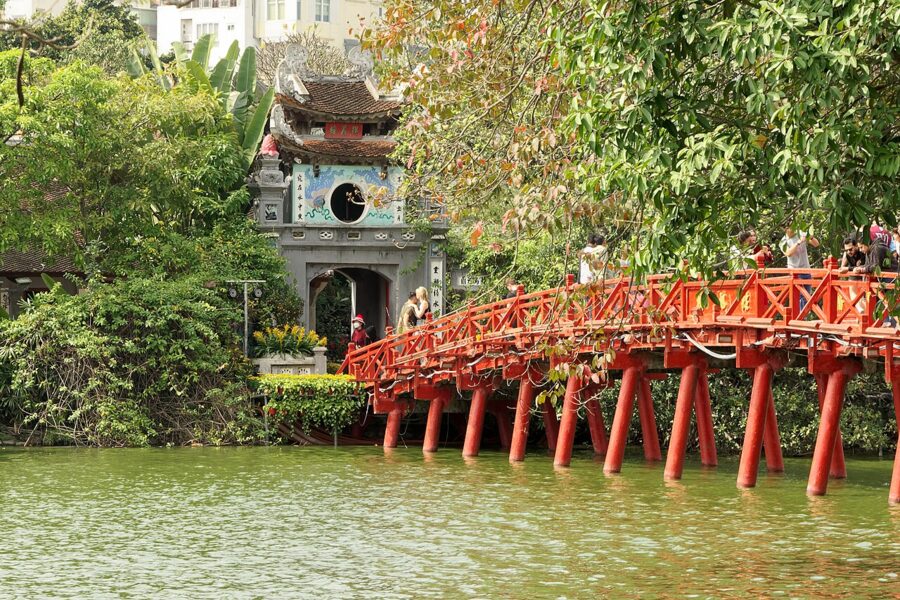
Walk the lake first. The red Huc Bridge (cầu Thê Húc) leads to Ngoc Son Temple, and on Friday to Sunday evenings the streets round the lake close to traffic and fill with families and buskers. Then go north into the trade streets, where Hàng Bạc still has silversmiths and Hàng Mã still sells paper offerings.

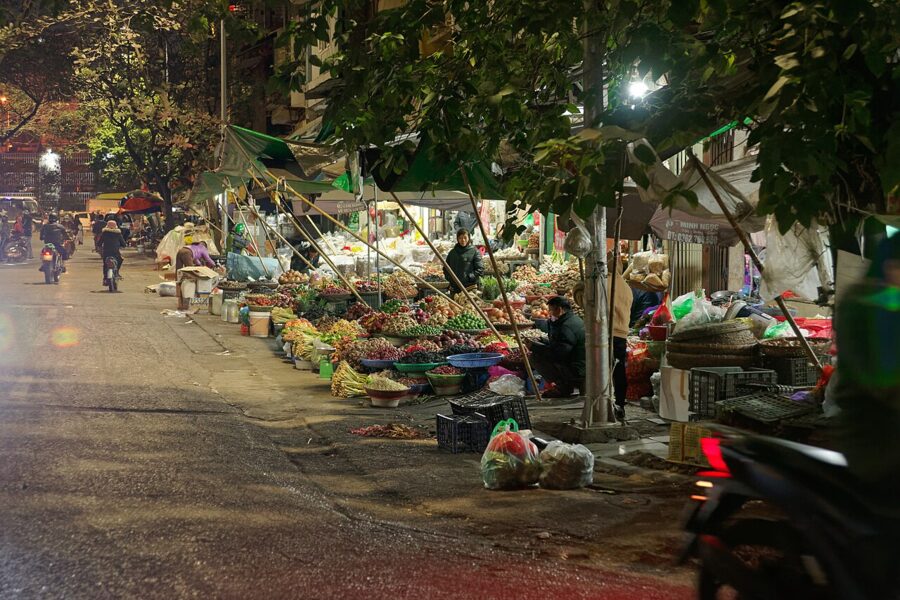
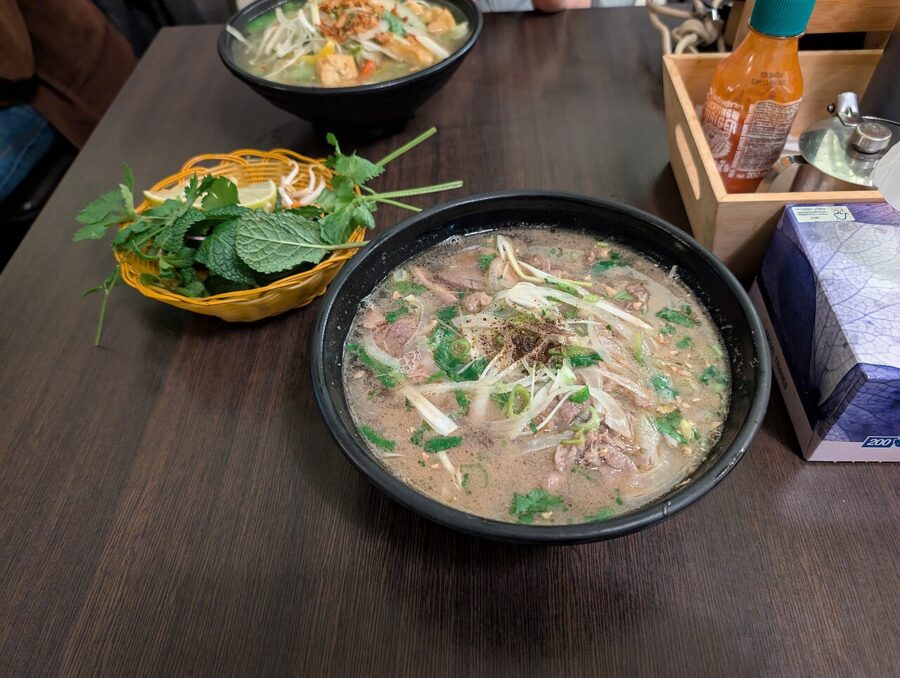
Eat on the street the first night. A bowl of phở bò (beef noodle soup) costs 40,000 to 60,000 dong (about $1.50 to $2.50) at an ordinary Hanoi shop as of 2026; the famous names charge more and are rarely better than the busy place on your corner.
Day 2: Ba Dinh, the Temple of Literature and lunch
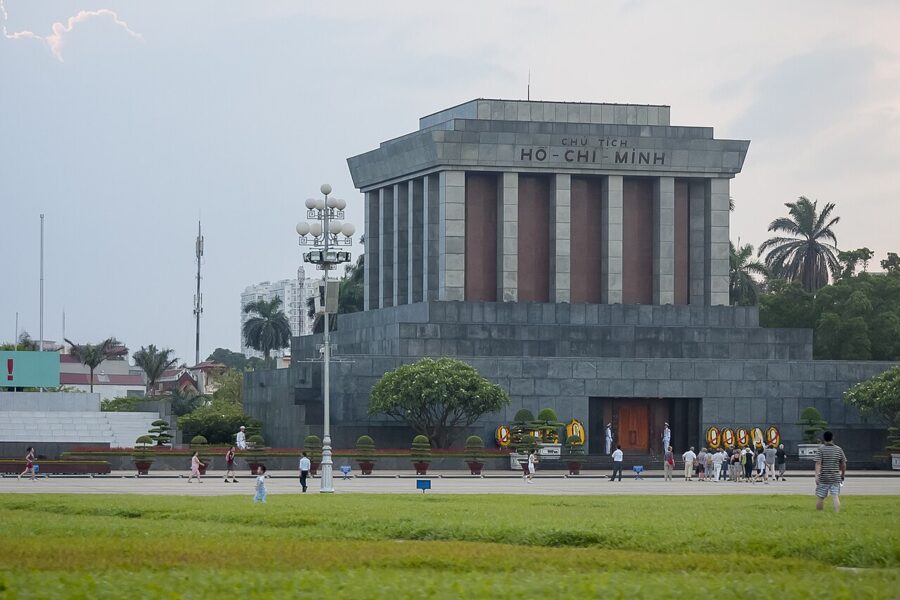
Day 2 is a Hanoi city tour you can do on your own. Start at the Ho Chi Minh Mausoleum (Lăng Chủ tịch Hồ Chí Minh) if it is open, because it only receives visitors in the morning.
It opens on Tuesday, Wednesday, Thursday, Saturday and Sunday, closes on Monday and Friday, and shuts for annual maintenance: in 2026 that ran from 4 September to 2 November. Cover shoulders and knees, keep your camera away inside, and expect a slow, silent queue.

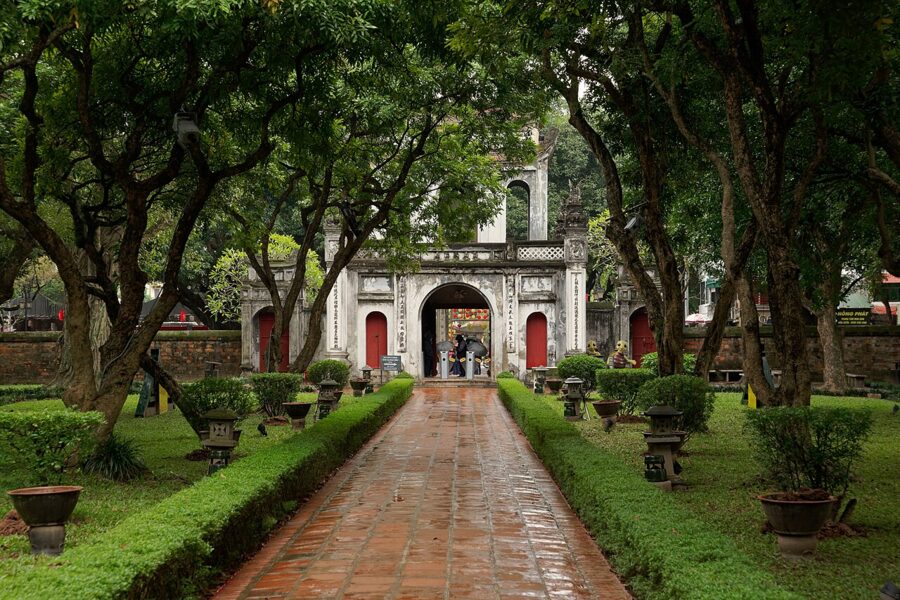
From there it is a short ride to the Temple of Literature (Văn Miếu), founded in 1070, where stone stelae carry the names of doctoral graduates from the 15th century onward. The gardens are quietest before ten. Hoa Lo Prison, the colonial jail American pilots called the “Hanoi Hilton”, fills the afternoon if you want the 20th century told from the Vietnamese side.

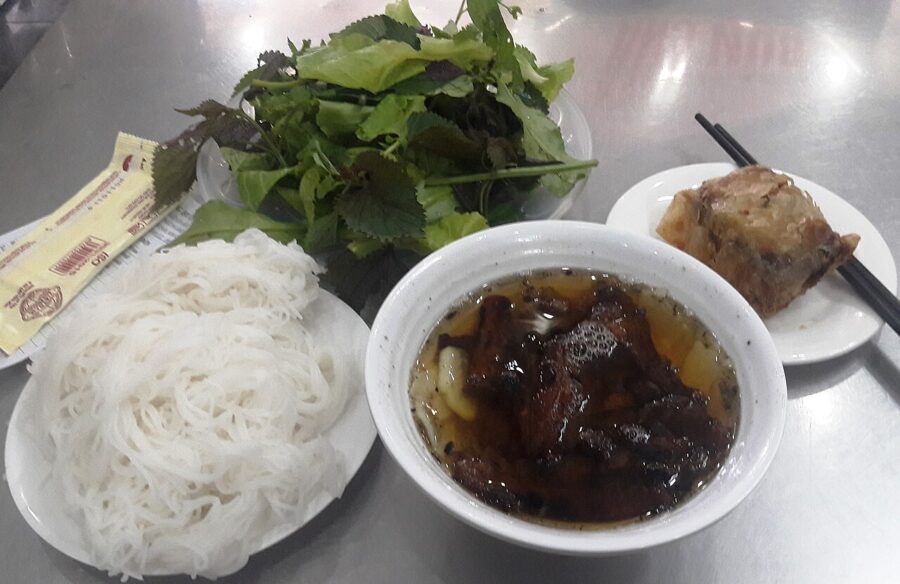
Have lunch the Hanoi way, with bún chả (grilled pork in a sweet-sour broth with rice noodles and herbs). If a day of city sights sounds like too much city, swap it for Ninh Binh: the train takes just over two hours, and the Trang An boats are in the first variant below.
Day 3: Onto the bay
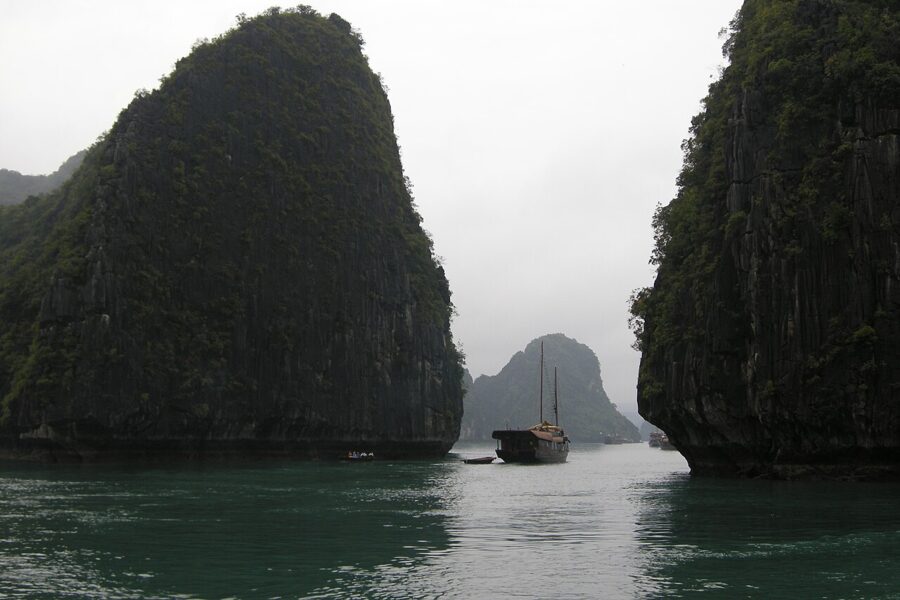
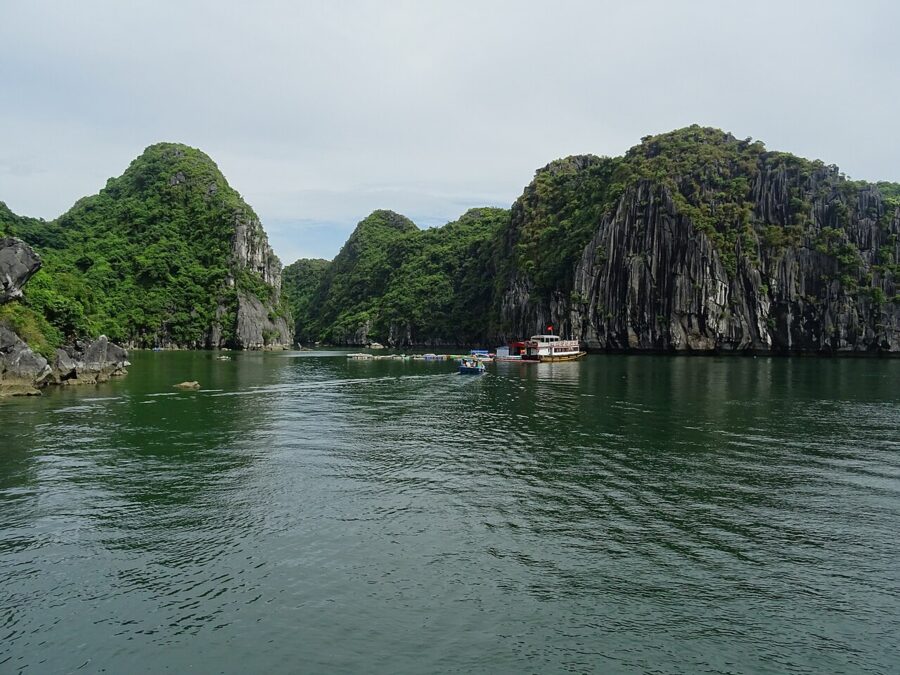
Ha Long Bay has close to 2,000 limestone islands and islets, and the boat you pick decides which few you see. Almost every overnight cruise sells a package from Hanoi: a shuttle down the expressway, lunch on board, a cave, a kayak, a night moored among the karsts and a morning back to port. Basic one-night boats start at about 1.5 million dong (about $58) per person, and five-star boats run past 4.5 million dong (about $175), as of 2026.
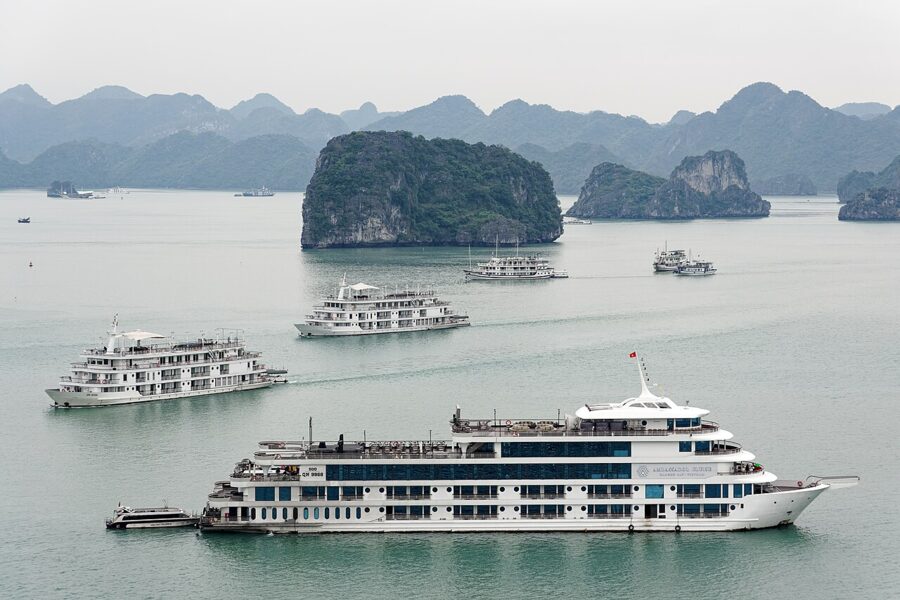

Ask what the price includes. The bay fee and the port charge are normally built in; kayaks and drinks often are not. If the cruise you like sails Lan Ha Bay from the Cat Ba side instead, take it: the same limestone, fewer cruise ships.
Take the weather seriously. In July 2025 the day boat Vịnh Xanh 58 capsized in a sudden squall on Ha Long Bay and 39 people died. Storms build fast here between June and September; avoid any cruise that will not refund a weather cancellation.
Day 4: Back to Hanoi and the night train
Overnight boats are usually back at the pier before lunch, and the shuttle has you in Hanoi by mid-afternoon. Collect your bag, eat early, and get to Hanoi Station (Ga Hà Nội) on Lê Duẩn street in good time for SE3, which leaves at 19:20 and reaches Hue at 07:50.
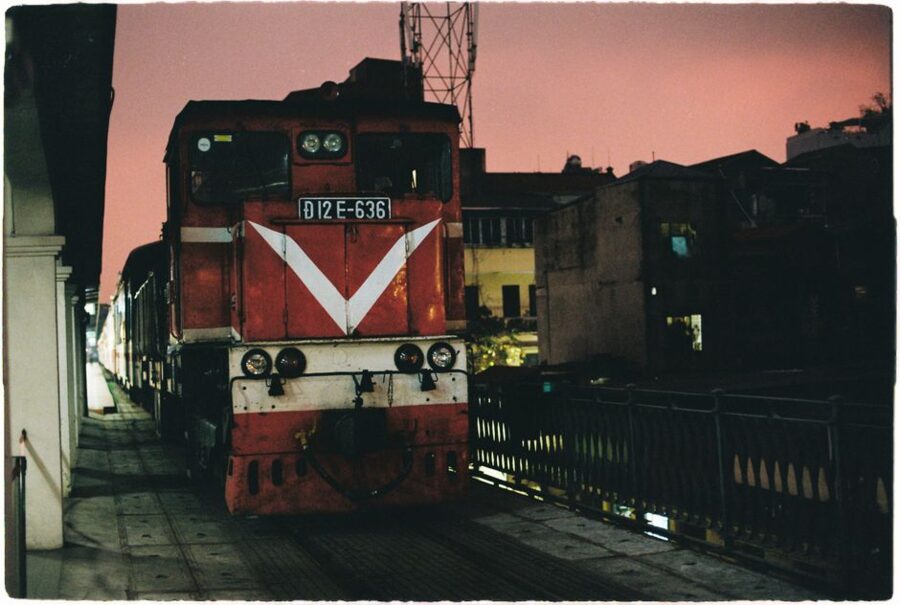
SE3 is the fastest train on that stretch. A berth in a four-berth soft-sleeper compartment costs 1.14 to 1.22 million dong (about $44 to $47) at Vietnam Railways’ own fares, a six-berth hard sleeper 830,000 to 1.07 million dong (about $32 to $41), and a soft seat 570,000 dong (about $22), which I would not choose for a whole night. SE1 at 21:45 is the backup, arriving at 10:25.
Day 5: Hue and the Nguyen emperors
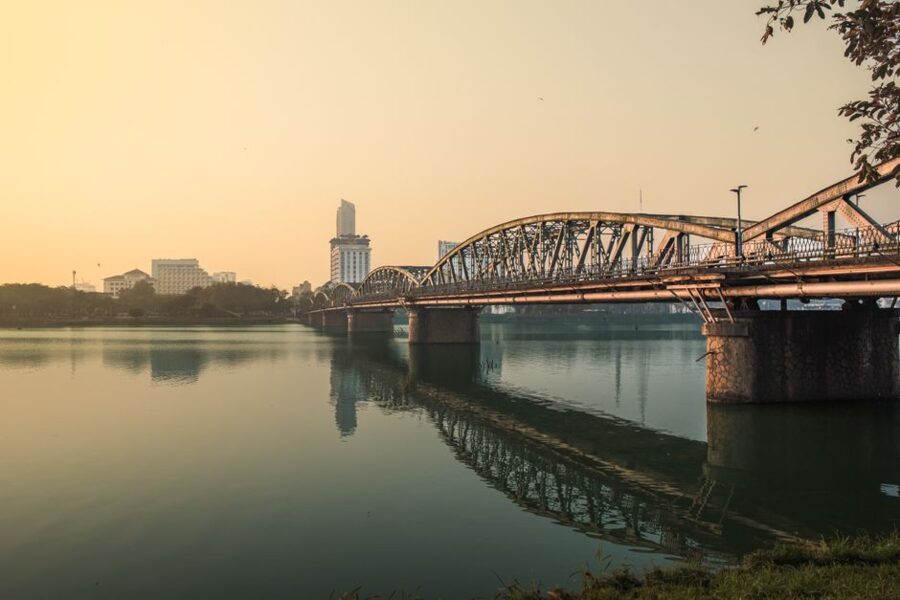
Hue was the capital of the Nguyen dynasty from 1802 until 1945, and the walled Imperial City (Hoàng thành Huế) on the north bank of the Perfume River was its centre. Walk in through the Meridian Gate (Ngọ Môn), give it three hours, and accept that much of it is still being rebuilt after the fighting of 1968.
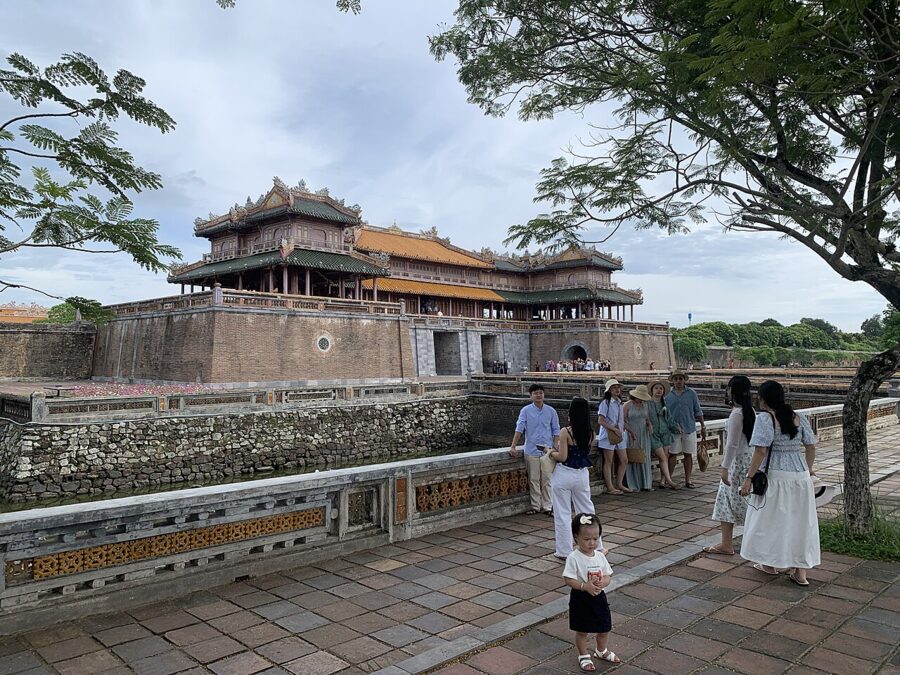

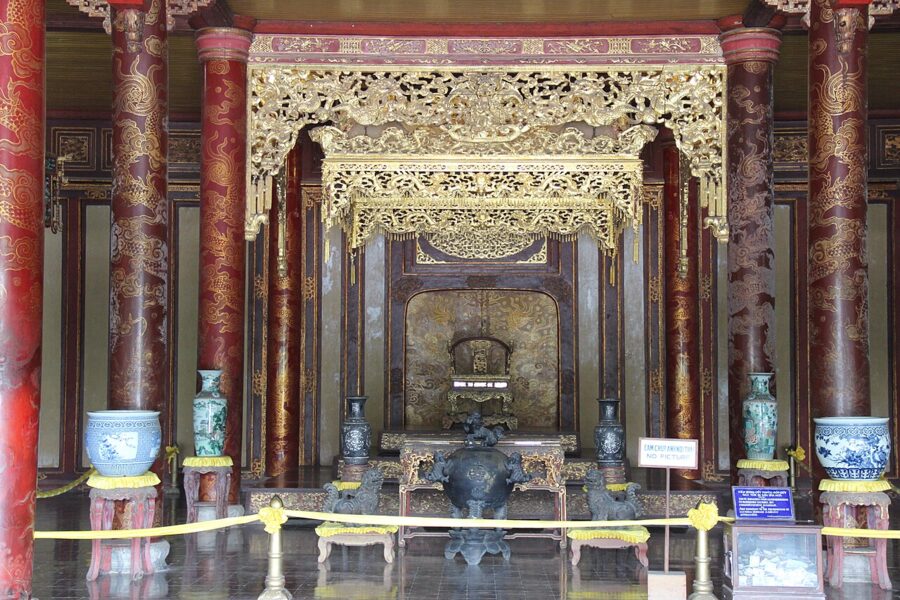
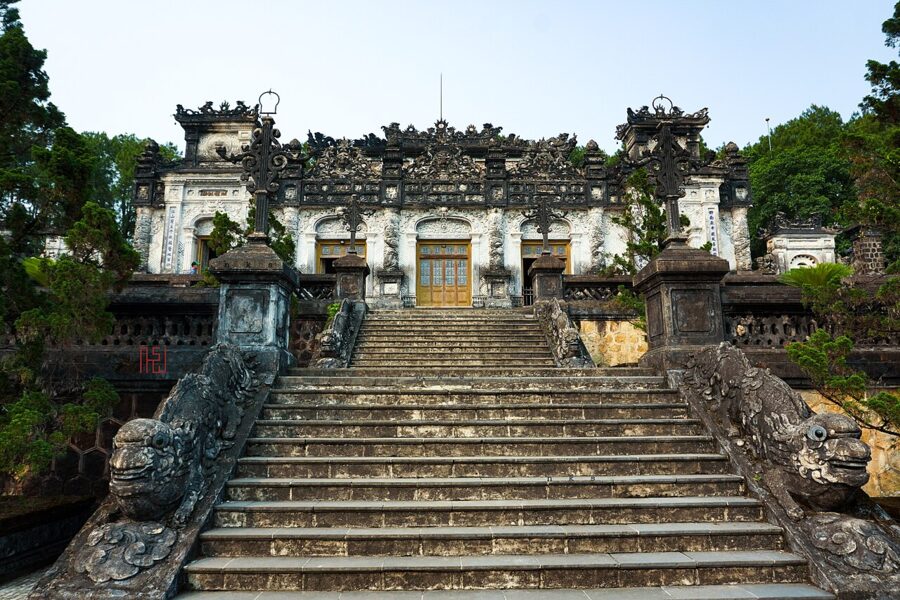
Tickets as of 2026: 200,000 dong (about $8) for the Imperial City, 150,000 dong (about $6) for each main tomb, or 530,000 dong (about $20) for a combined ticket covering the Imperial City and the tombs of Minh Mang, Tu Duc and Khai Dinh. With only an afternoon left, I would pick Khai Dinh, the strangest of them, a concrete and porcelain-mosaic hybrid finished in 1931.

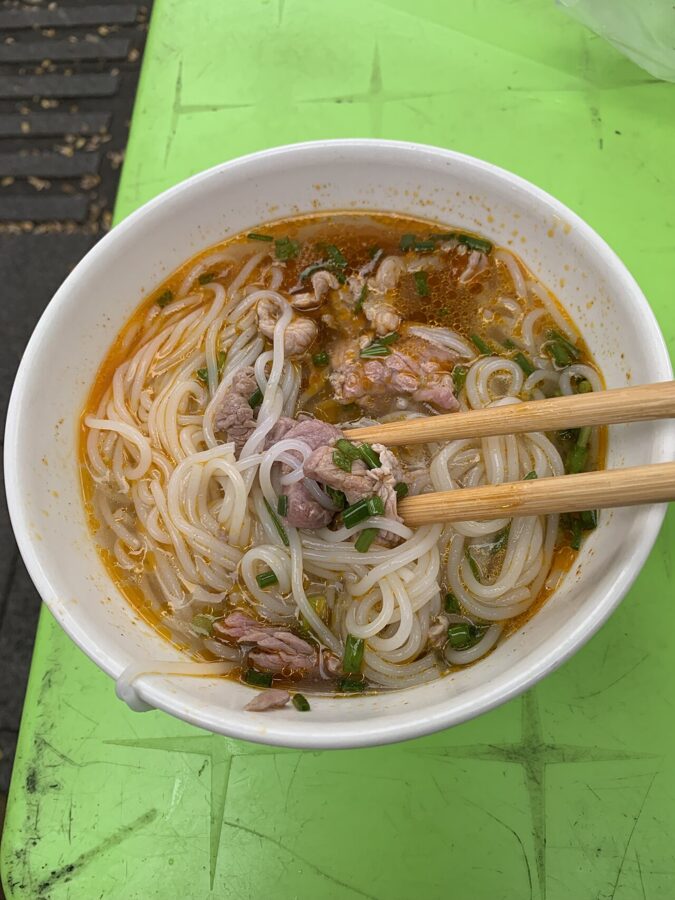
Dinner is bún bò Huế, the city’s spicy beef and lemongrass noodle soup, which is nothing like pho and better for it on a rainy evening.
Day 6: Over the Hai Van Pass by heritage train
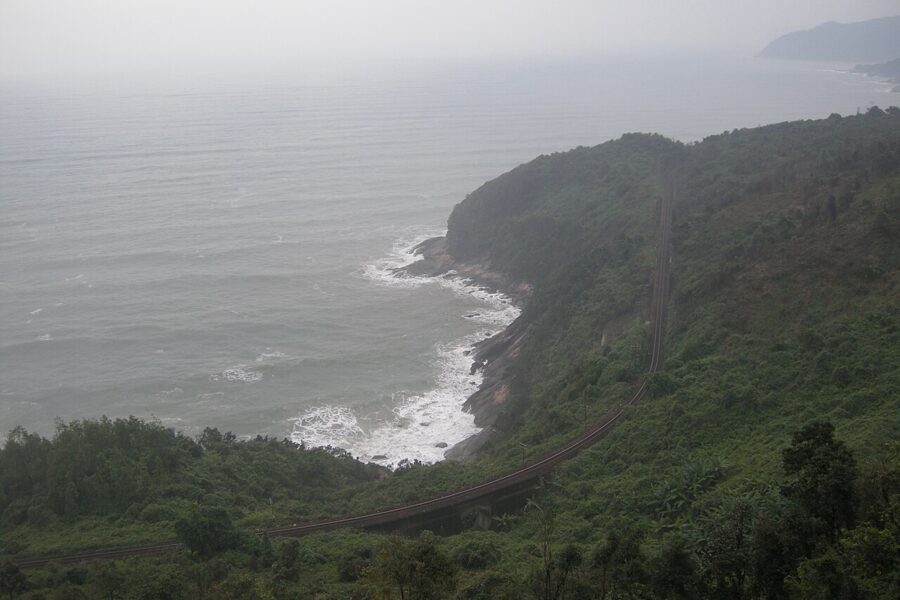
The main road between Hue and Da Nang goes through a tunnel now, but the railway still climbs round the Hai Van Pass (Đèo Hải Vân) above the sea. Vietnam Railways runs a daily tourist service on this stretch, the “Kết nối di sản” (Heritage Connection) train, with a morning and an afternoon departure from Hue and about three hours on board; check the current times when you book.
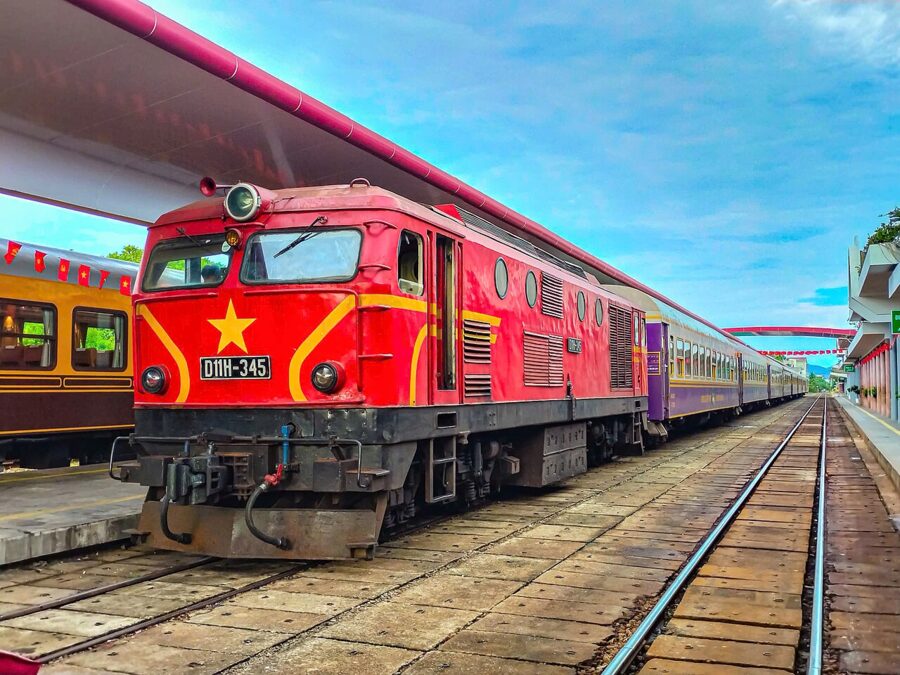

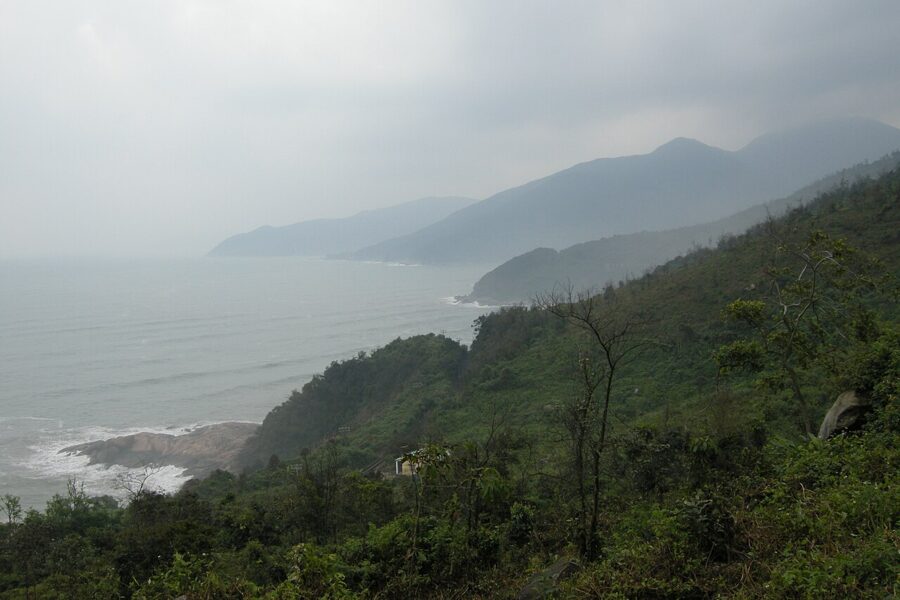

From Da Nang station it is about 30 kilometres to Hoi An, 45 minutes or so by car. Since the July 2025 province mergers, Hoi An sits inside Da Nang city, so you may see Đà Nẵng on addresses and tickets.
Day 7: Hoi An, slowly
Hoi An was a trading port from the 15th to the 19th centuries, and its wooden shophouses, Chinese assembly halls and the Japanese Covered Bridge (Chùa Cầu) survived largely because the trade went elsewhere. Visitors need a ticket to enter the old streets: 80,000 dong (about $3) or 120,000 dong (about $5) with the museums, the same price for everyone since February 2026. Each covers a set number of the old houses, halls and museums, and the booths explain which.
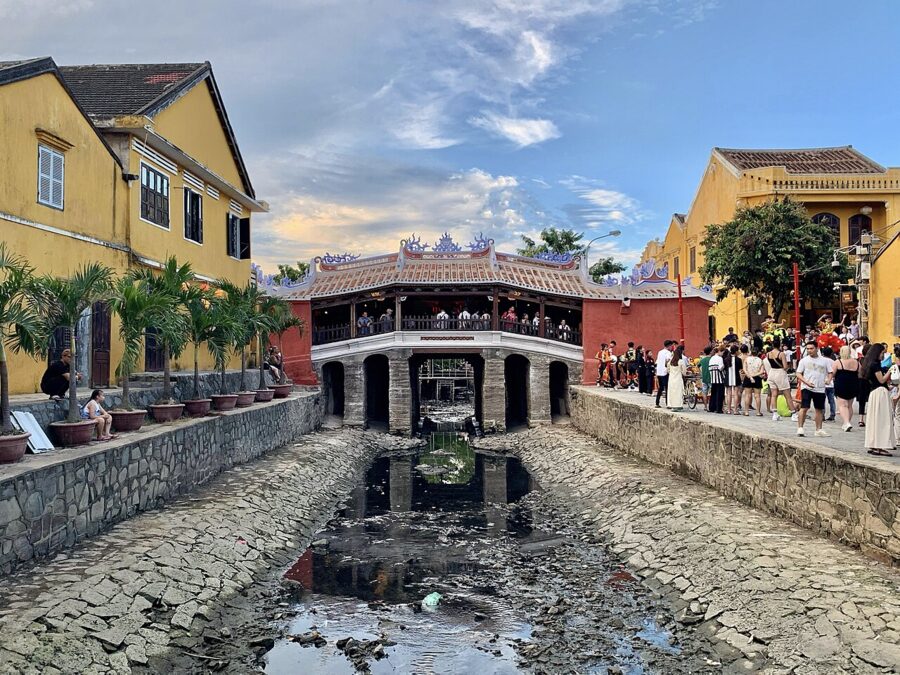

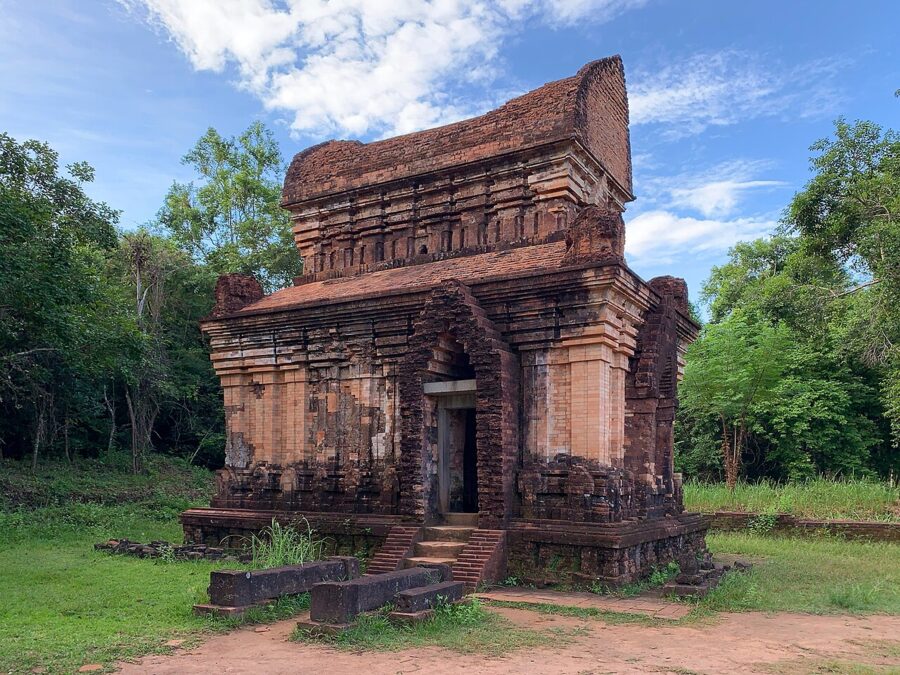
See the Ancient Town at both ends of the day and use the middle for something else. Either cycle out through the rice fields towards the coast, or go to My Son Sanctuary (Thánh địa Mỹ Sơn), the brick temples of the Cham kingdom about an hour inland, best at opening time before the heat and the buses.

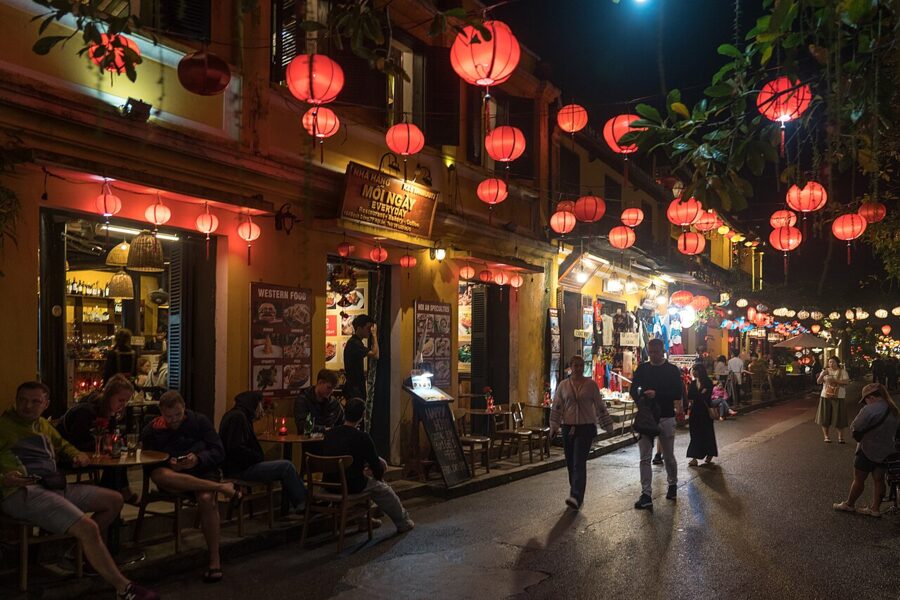
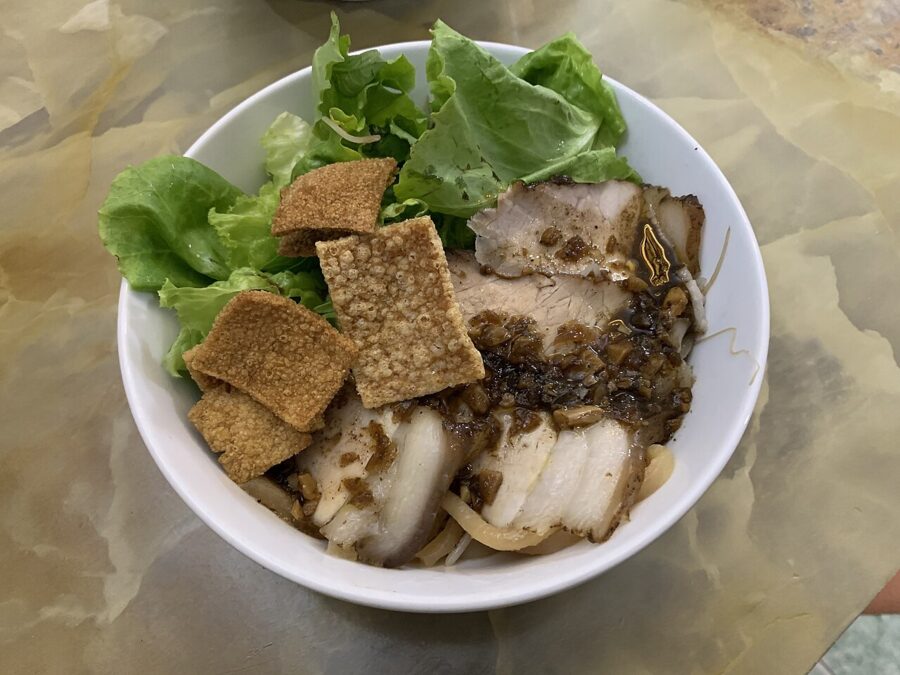
Eat cao lầu, the thick pork-topped noodle dish that Hoi An claims as its own. And keep the lanterns for your second evening as well as the first.

Day 8: Fly to Saigon
Fly from Da Nang to Ho Chi Minh City late morning; Vietnam Airlines and Vietjet both run the route several times a day, in under an hour and a half. Vietnam Airlines lists one-way economy fares from Da Nang from about 815,000 dong (about $32) as of November 2026, but expect more close to the date and much more around Tet.
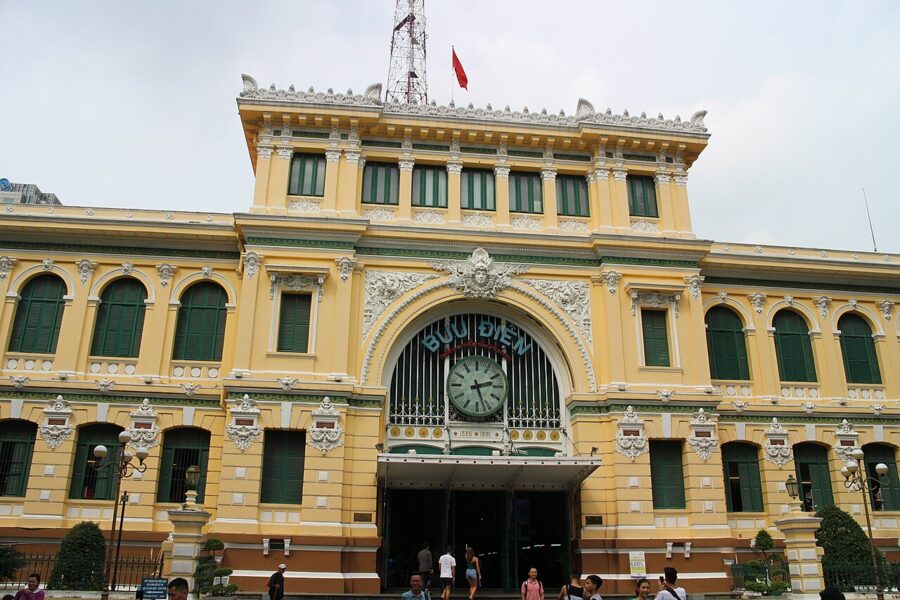
Spend the afternoon on the easiest of the things to do in Ho Chi Minh City: District 1 on foot. The Saigon Central Post Office (Bưu điện Trung tâm Sài Gòn) is still a working post office; the cathedral next door is under scaffolding, with its restoration due to finish at the end of 2027.

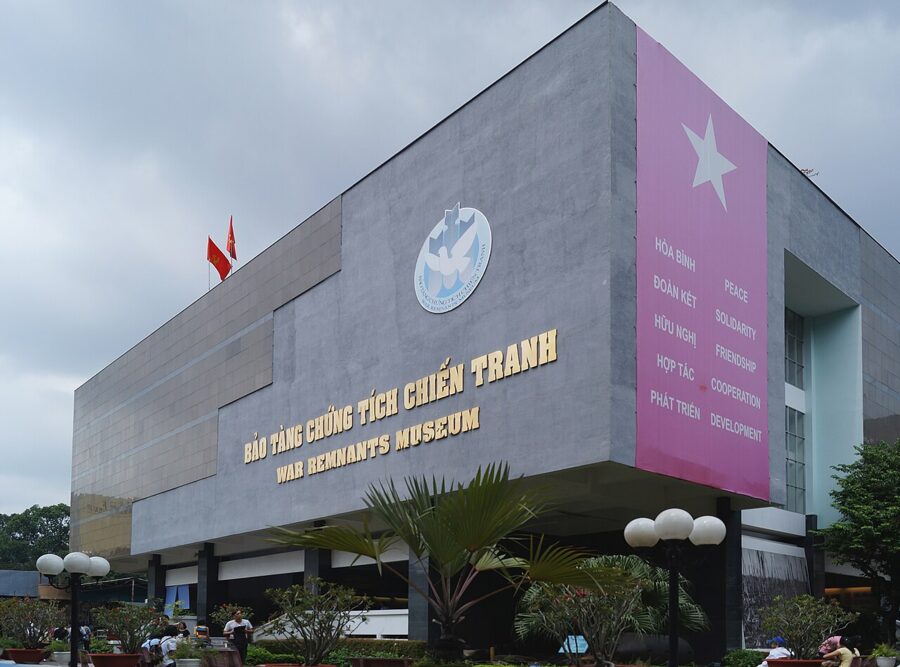
The War Remnants Museum (Bảo tàng Chứng tích Chiến tranh) on Võ Văn Tần street opens 7:30 to 17:30 daily, with ticket sales stopping at 17:00, and costs 40,000 dong (about $1.50). It is the hardest two hours of the trip, especially the photographs of the effects of Agent Orange.

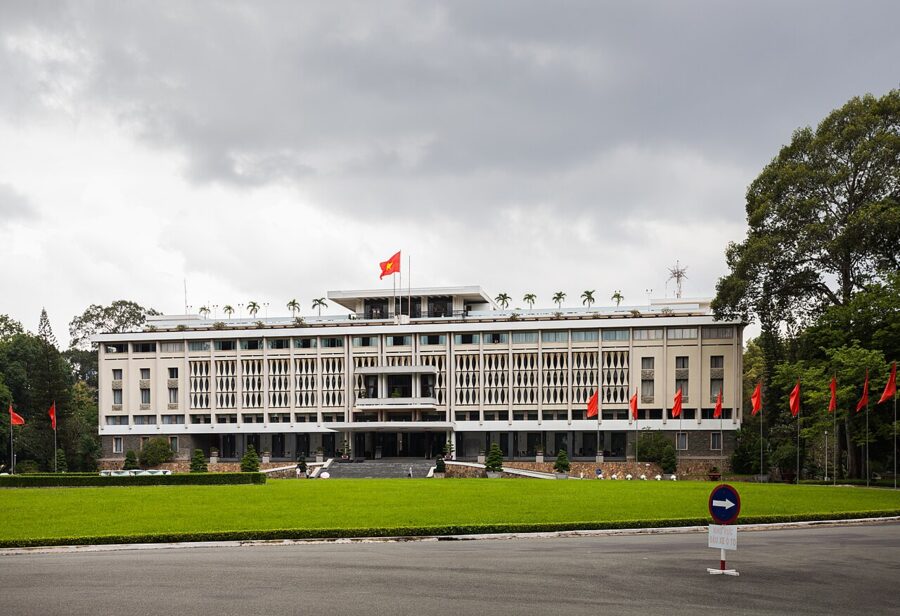
Independence Palace (Dinh Độc Lập) is a short walk away. Adult tickets are 80,000 dong (about $3) since 1 May 2026, covering the palace and its exhibition, and it opens every day.

Day 9: The tunnels or the delta
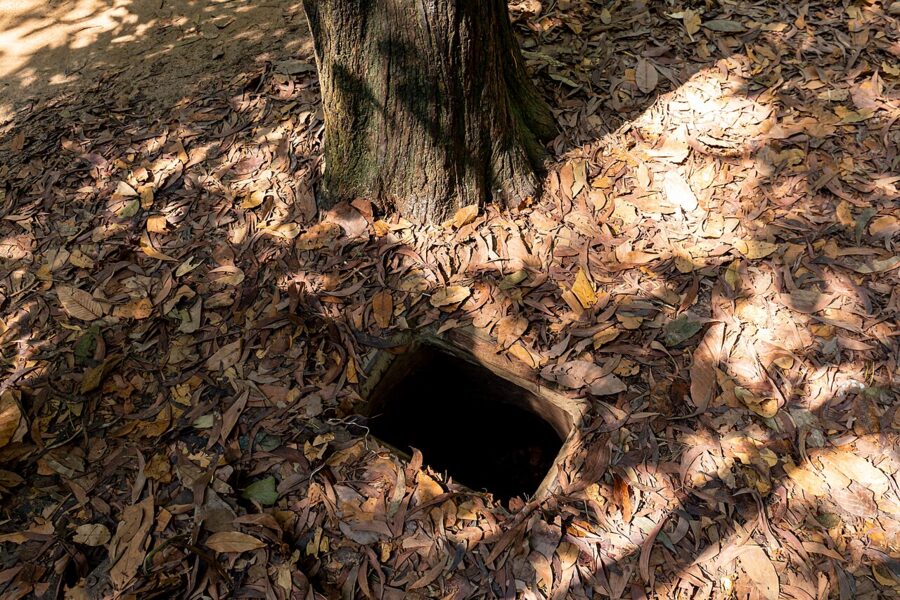
You have time for one. The Cu Chi Tunnels (Địa đạo Củ Chi) are the tunnel network dug under the plantations north-west of the city during the war, and the preserved sites at Ben Dinh and Ben Duoc are both a long morning’s drive away. Ben Duoc is quieter; Ben Dinh is where most organised tours go.
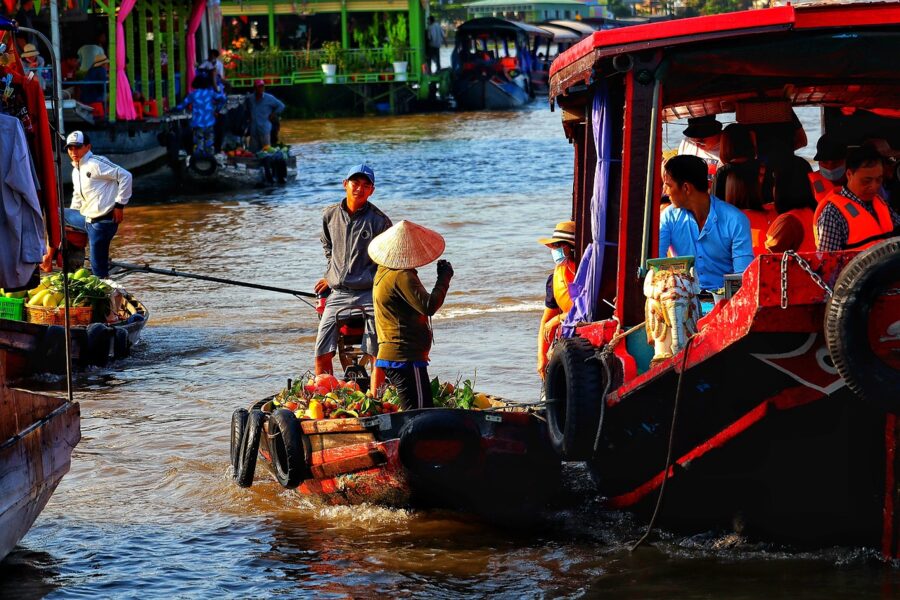
The Mekong Delta is the other choice, and a day trip only reaches its near edge at My Tho or Ben Tre: coconut workshops, a sampan on a canal, a lot of other day-trippers. If the delta is what you came for, give it a night in Can Tho instead.
Day 10: Ben Thanh and out
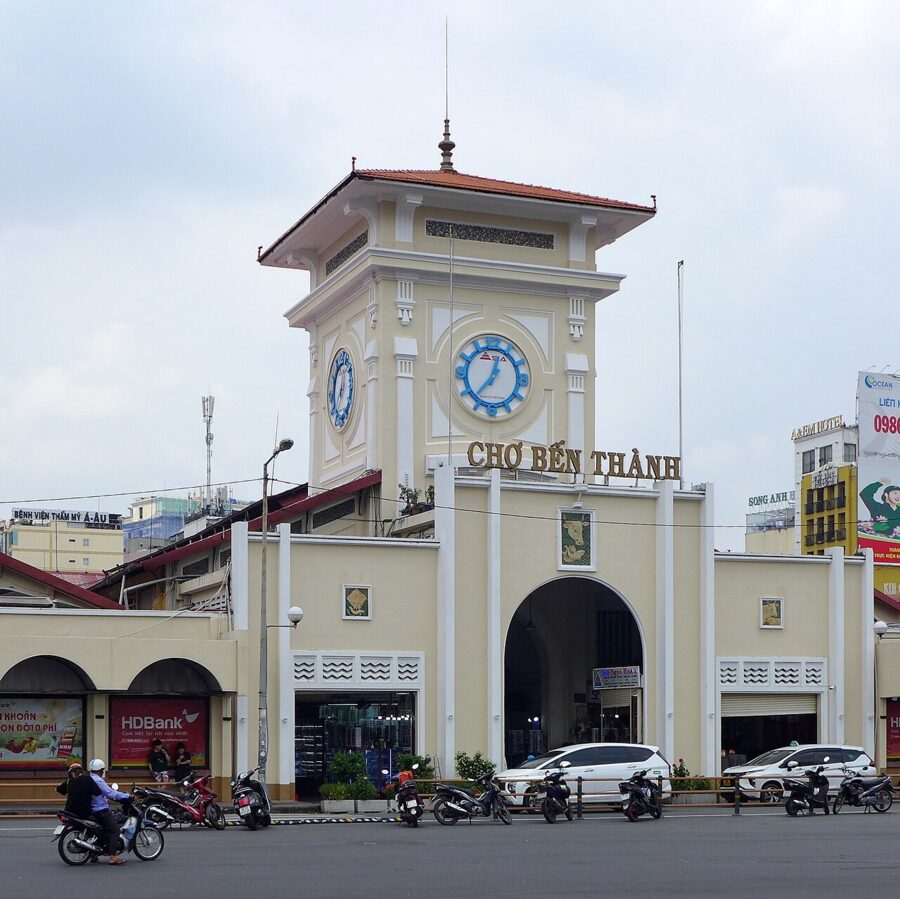
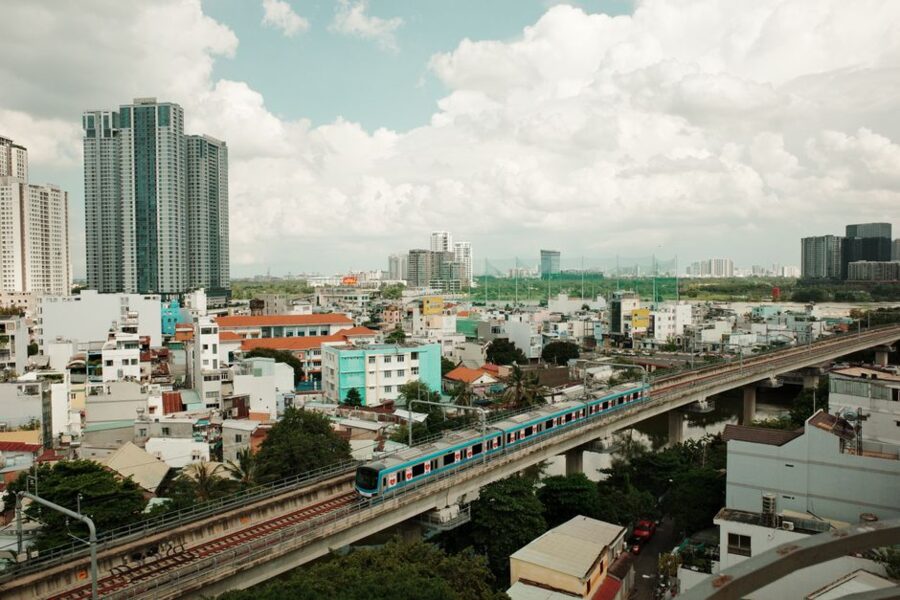
Use the last morning for Ben Thanh Market (Chợ Bến Thành) and its food stalls, then ride Line 1 of the metro, which opened in December 2024 and runs from the underground Ben Thanh station out to Suoi Tien. Most flights home leave from Tan Son Nhat, 30 to 60 minutes from District 1. Long Thanh International Airport, east of the city, is due to begin commercial flights in December 2026, so check which airport your ticket names.

Variant one: the north and the centre only
Two regions instead of three means one less flight and more time in each place. This is the version I would pick between March and May, or for anyone who wants mountains or caves as well as the bay.
- Days 1 and 2: Hanoi, as above.
- Day 3: Ninh Binh by morning train and the Trang An boats.
- Days 4 and 5: Ha Long Bay or Lan Ha Bay, two nights on a boat if you can afford it.
- Days 6 and 7: Sapa (night train to Lao Cai, then the road up) or Phong Nha (night train to Dong Hoi).
- Day 8: Hue.
- Days 9 and 10: Hoi An, then fly home from Da Nang.
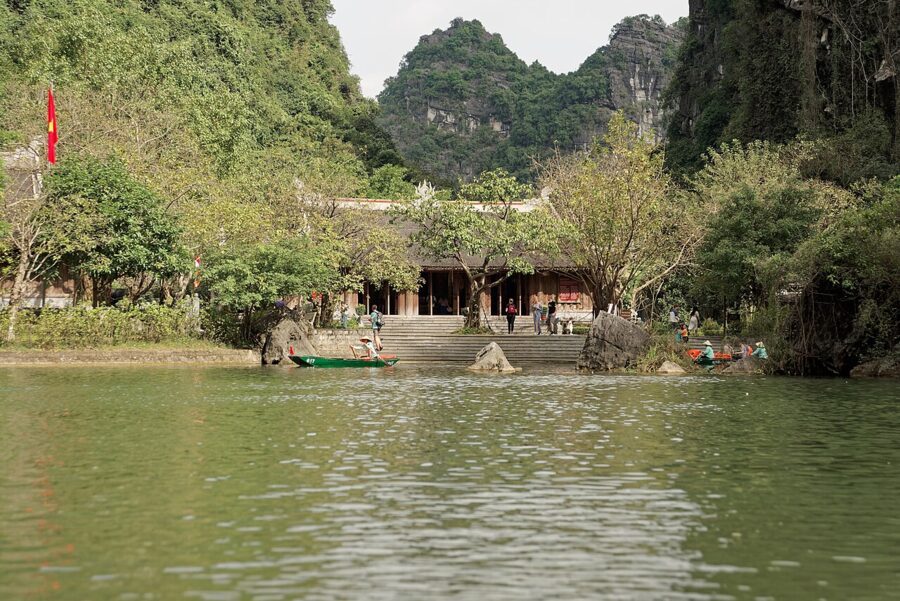

Trang An’s boat ticket costs 300,000 dong (about $11.50) per adult since 1 January 2026. Pick it over nearby Tam Coc if you only have time for one; the routes are longer and the caves better. UNESCO listed the area in 2014 as both a natural and a cultural site, which is rare.

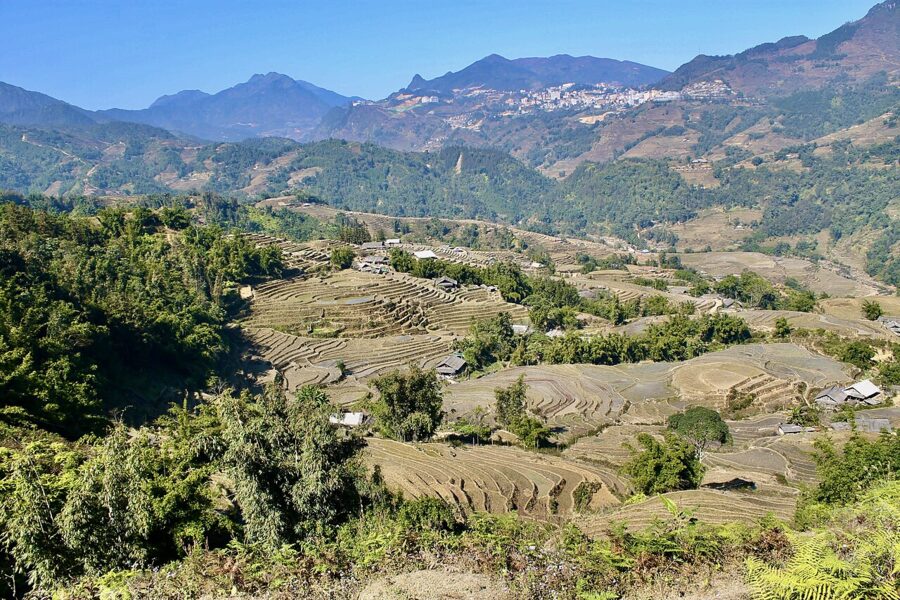
Sapa needs a clear forecast. The Hanoi to Lao Cai night trains (three a night since October 2026) take about eight hours, then it is around 35 kilometres up the mountain by road. From December to February the town can sit in fog for days.
Variant two: the centre and the south only
Fly into Da Nang or Ho Chi Minh City and leave the north for another trip. This is the version for February to August, when the centre is dry and the north is either cold or sticky.
- Days 1 to 3: Hoi An, with My Son and a beach day.
- Days 4 and 5: Hue by the heritage train, with time for the Imperial City and three tombs.
- Day 6: fly Hue or Da Nang to Ho Chi Minh City.
- Days 7 and 8: Saigon, Cu Chi and the museums.
- Days 9 and 10: the Mekong Delta with a night in Can Tho, then back for the flight home.
Can Tho is the reason for the extra night. Cai Rang floating market is busiest around dawn and has shrunk as roads replaced river trade, so you need to be on a boat by about half past five, which only works if you sleep in town.


Getting between the stops
Vietnam’s shape keeps this simple: one railway, one main highway and a handful of busy air routes. The legs, with times and fares for late 2026:
| Leg | Best option | Time | Fare (one way) |
|---|---|---|---|
| Hanoi to Ha Long Bay | Cruise shuttle bus | About 2.5 to 3 hours | Usually in the cruise price |
| Hanoi to Ninh Binh | Train | About 2 hours 10 | Check at booking |
| Hanoi to Hue | SE3 night train | 12 hours 30 | 570,000 dong seat; 1.14 to 1.22 million dong four-berth |
| Hanoi to Da Nang | SE19 night train or flight | 15 hours 50 by train; about 1 hour 25 by air | 1.21 to 1.29 million dong (about $47 to $50) four-berth; flights from about 850,000 dong (about $33) |
| Hue to Da Nang | Heritage train HĐ1 or HĐ3 | About 3 hours | Varies by carriage and day |
| Da Nang to Hoi An | Car or Grab | About 45 minutes | Check the app price first |
| Da Nang to Ho Chi Minh City | Flight | Under 1.5 hours | From about 815,000 dong |
Train fares are Vietnam Railways’ own prices from mid-2026; booking platforms add a fee. The railway discounts SE tickets bought ten or more days ahead by 5 to 15 per cent, for only 20 seats of each class per train, and adds 3 to 5 per cent within two days of departure.

What the night train is like
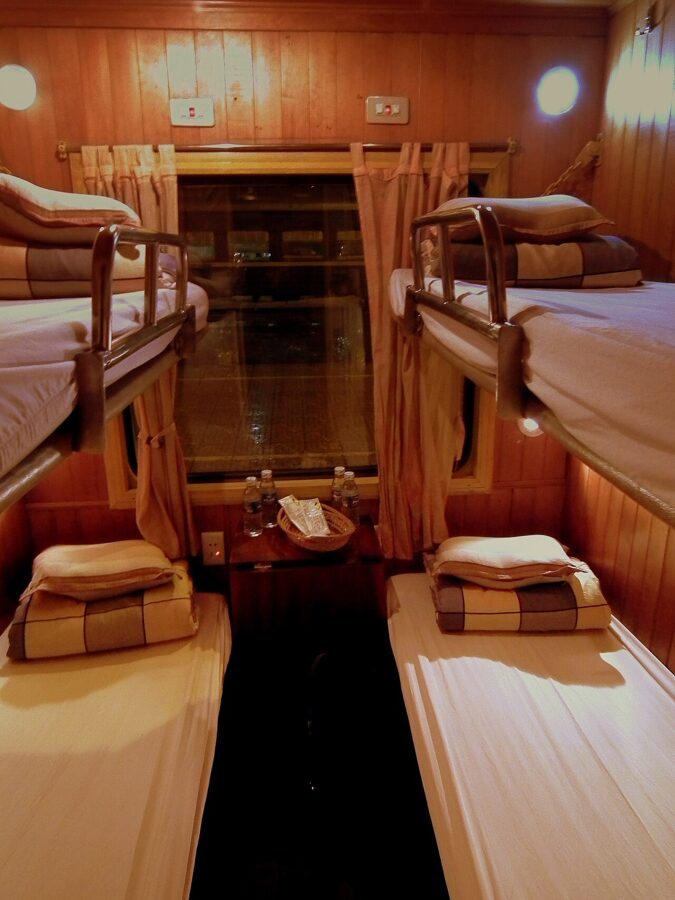
It is not luxury. The soft-sleeper compartment has four berths, a small table, a door that locks and air conditioning that runs cold, so bring a layer. The toilets are worse by morning than at departure. I would still take it over an evening flight, because it turns twelve hours of travel into a night’s sleep and saves a hotel.

Flights, buses and getting around town
Vietnam Airlines lists about 13 Hanoi to Da Nang flights a day, at about 1 hour 25, and Vietjet flies the same routes. Domestic fares rose by up to 30 per cent on some routes in summer 2026, so treat the “from” fares above as floors. Sleeper buses are cheaper than the train but cramped for anyone tall; I would use them only where there is no railway.
In the cities, Grab (the ride-hailing app) is the easy answer: car or motorbike, a fixed price before you get in, and cash accepted. Walking is still the best way round Saigon’s District 1.
Weather: which month suits which route
The north, the centre and the south have three different climates, and no month is perfect in all three.
| Region | Best months | Hard months | What happens |
|---|---|---|---|
| North (Hanoi, Ha Long, Ninh Binh, Sapa) | October to December, March to April | June to August | Cool, grey winters (Hanoi averages 20°C highs in January); hot, wet summers with storms on the bay |
| Centre (Hue, Hoi An, Da Nang) | February to August | September to December | Heavy autumn rain, river floods and typhoons; Hue gets nearly half its year’s rain in October and November |
| South (Ho Chi Minh City, Mekong) | December to April | May to November | Hot all year (32°C highs even in January); short, heavy afternoon storms in the wet season |
February to April is the only stretch when the full route works end to end: Hanoi is warming up, the centre is dry and the south is in its dry season. December and January also work if you pack for a cold Hanoi and accept a damp start in the centre.
The centre’s autumn deserves its warning. Hue averages about 770 mm of rain in October and 640 mm in November, against roughly 50 mm in March, and in late 2025 floods put Hoi An’s Ancient Town under water three times in three weeks. If your dates fall between late September and early December, do the north, then fly straight to the south.
Ha Long Bay is cool and often misty in the first months of the year. Its storm season runs with the hot months, roughly June to September, when cruises are most likely to be cancelled at short notice.
What ten days costs
Two levels, per person, with two people sharing a room and no international flights. Lean means six-berth sleepers, basic cruise boats and family-run hotels; comfortable means four-berth sleepers, a better boat, a hotel with a pool in Hoi An and a car with driver for the tombs and My Son.
| Fixed costs, main route | Lean | Comfortable |
|---|---|---|
| Ha Long overnight cruise | 1.5 million dong (about $58) | 4.5 million dong (about $175) |
| Hanoi to Hue night train | 830,000 dong (about $32) | 1.22 million dong (about $47) |
| Da Nang to Saigon flight | 815,000 dong (about $32) | From 815,000 dong; more for a flexible fare |
| Hue combined ticket, Hoi An ticket, Saigon museums | 770,000 dong (about $30) | 770,000 dong (about $30) |
| E-visa, if you need one | $25 | $25 |
Daily costs come on top. Three street meals and two coffees can come to 250,000 to 350,000 dong (about $10 to $14) a day if you eat where the locals eat. Rooms move most with the date; my working figure is about $40 to $60 a day per person at the lean level, rooms included, and about $120 to $180 at the comfortable one, before the fixed costs above.

So, is $1,000 enough for two weeks in Vietnam? At the lean level, without the international flight, yes, just. Ten days at the comfortable level lands nearer $1,500 to $2,100 per person.

Cut this, add that
The biggest mistake on a ten-day trip is adding one more place. Sapa, Ha Long, Ninh Binh, Hue, Hoi An, Saigon and the delta do not fit, and trying turns every stop into a transfer.
If you must cut a day, make Hue a stop on the way south: SE3 in at 07:50, the Imperial City, then the afternoon heritage train. Or drop the Saigon day trip and spend the time in the city. I would not cut the second night in Hoi An or the night on the bay.
With two more days, add one of these:
- A night in Ninh Binh: Trang An at opening time and the Mua Cave viewpoint at sunset.
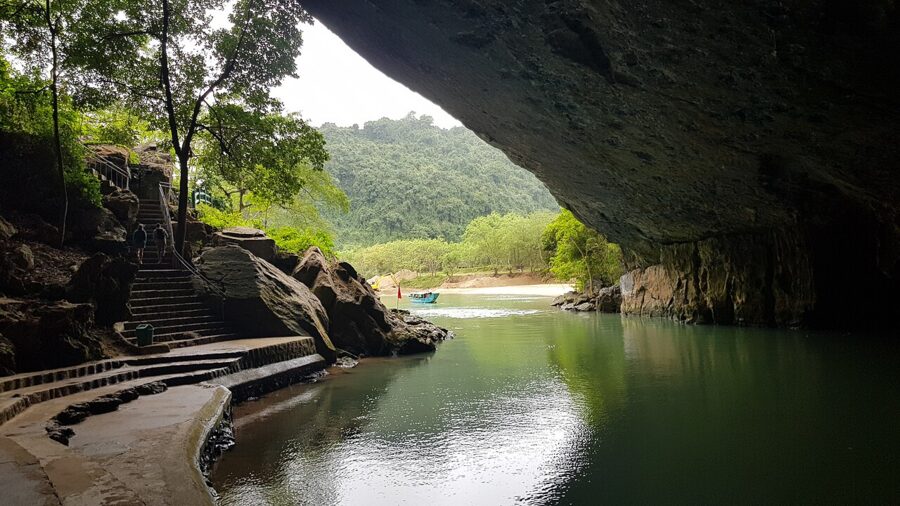
- Phong Nha: cave country between Hanoi and Hue on the same SE trains to Dong Hoi; Phong Nha Cave by boat and Paradise Cave on foot fit into one day, leaving the second for a guided trek.
- A night in the Mekong Delta: Can Tho and Cai Rang, slotted in after Saigon.
- A second day in Hue: for all the tombs and a morning on the Perfume River.

What to book ahead, and what can wait
Book before you leave home:
- Your visa, if you need one. Citizens of the UK, Germany, France, Italy, Spain, Denmark, Sweden, Norway, Finland, Japan, South Korea and Russia can stay 45 days without a visa until 14 March 2028; Belgium, Bulgaria, Croatia, Czechia, Hungary, Luxembourg, the Netherlands, Poland, Romania, Slovakia, Slovenia and Switzerland have the same until 14 August 2028. Most others, including American, Canadian, Australian and New Zealand passport holders, need the e-visa: up to 90 days, $25 single entry or $50 multiple entry as of November 2026, applied for only at evisa.gov.vn. Lookalike agency sites charge more for the same visa.
- The night train, as soon as tickets for your date go on sale, especially for a four-berth compartment.
- The cruise, a couple of weeks ahead in high season, with a clear weather-cancellation policy.
- Anything around Tet. The Lunar New Year falls on 6 February 2027; for about a week either side, trains, flights and hotels sell out and many family restaurants close. Hoi An even stopped selling Ancient Town tickets over Tet in 2026.
Things that can wait: Grab rides, the Hue and Hoi An tickets (sold at the gate as well as online), the heritage train outside weekends and holidays, the Cu Chi or Mekong trip, and food, which you should never book.
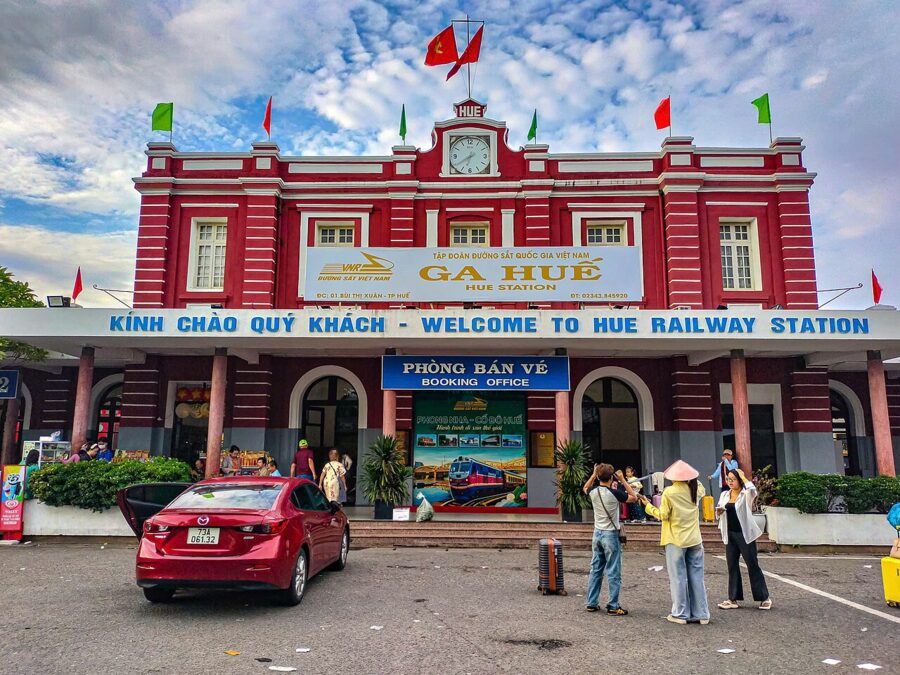

Can you wear red in Vietnam? Yes: red is the colour of luck and of the flag. What matters more is covering your shoulders and knees for the mausoleum, the pagodas and the tombs in Hue.
Leave Hanoi for the night train with time to spare and a bag of fruit from a stall outside the station. By the time it reaches Hue, the country will have changed its accent, its food and its weather, and you will be halfway down it.