
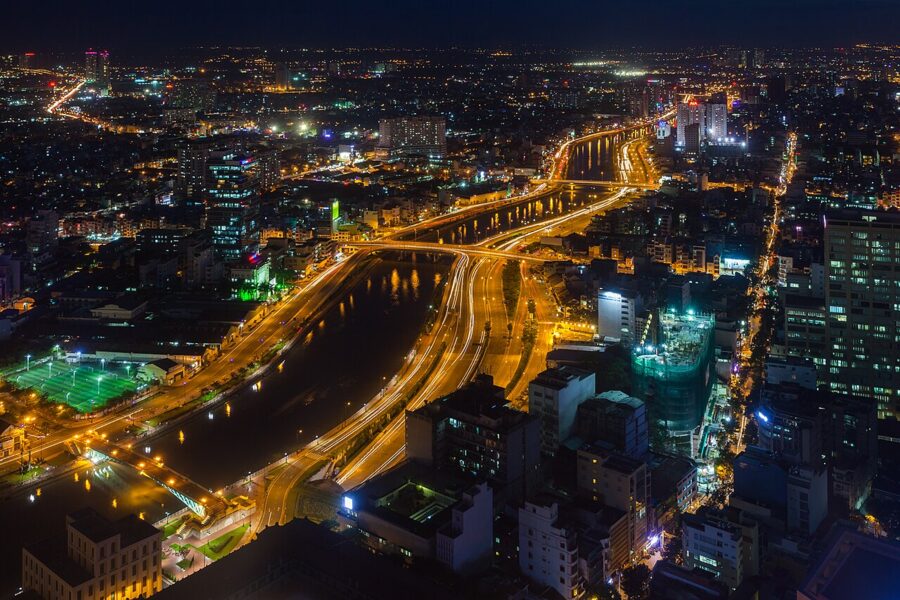
Ho Chi Minh City’s colonial centre takes half an hour to cross on foot, palace lawn to riverfront, and the city its 14 million residents actually live in starts where that walk runs out.
I would give the centre one full day, Cholon and the food a second, and a third to either the Cu Chi tunnels or the Mekong Delta. Not both on one coach day: that plan spends six hours on the road to see two places badly.
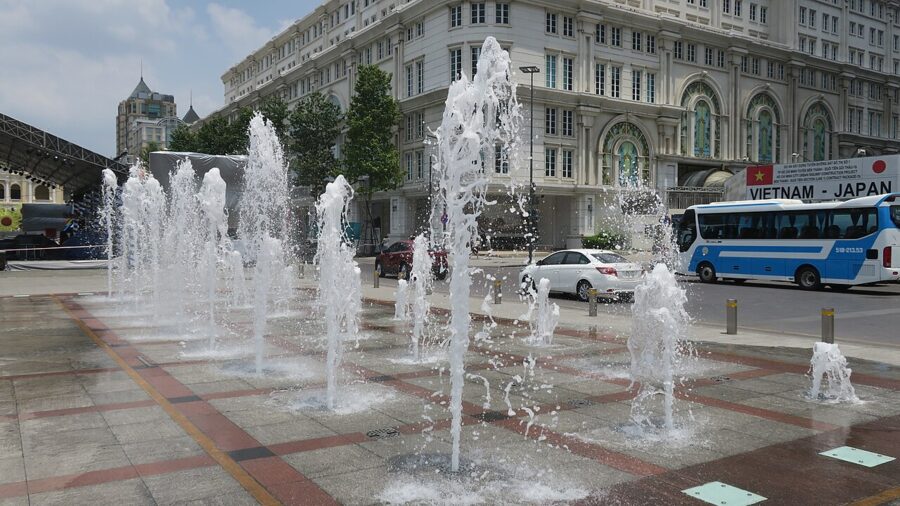

The city also changed shape in 2025. Districts were abolished on 1 July, the old District 1 became four wards, and a hotel that used to give its address as “Quận 1” may now say Sài Gòn or Bến Thành ward. The streets and house numbers did not move, and the section on where to stay below sorts out the new names.
Contents
The centre on foot
The classic route starts at the Independence Palace when the gates open, passes the cathedral and the post office, runs down Đồng Khởi to the Opera House and follows Nguyễn Huệ to the river. Ben Thanh Market is a ten-minute detour. Start early: by eleven the sun is heavy.
Independence Palace (Dinh Độc Lập)
The building on the lawn is not French. Ngô Viết Thụ designed it in the early 1960s to replace the colonial Norodom Palace, and it was the seat of the South Vietnamese president until 30 April 1975, when North Vietnamese tanks drove through the front gates and the war ended.
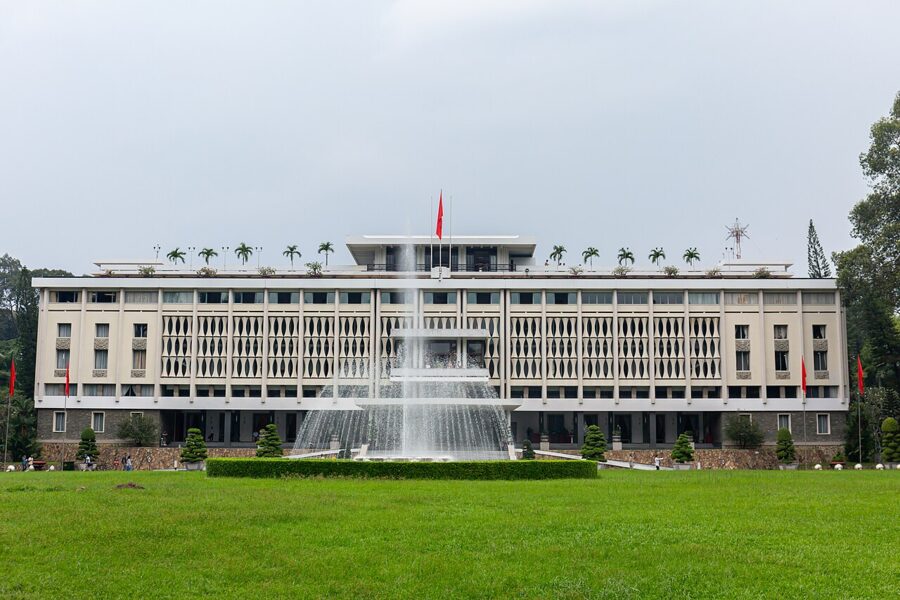
Inside, the reception rooms are a period piece of 1960s state taste: lacquer, long carpets, a cinema, a gambling room and a helipad on the roof. The part I would not skip is the basement. The war room, the radio and telex rooms and the maps on the walls are left as they were, and they say more about how the end came than anything upstairs.
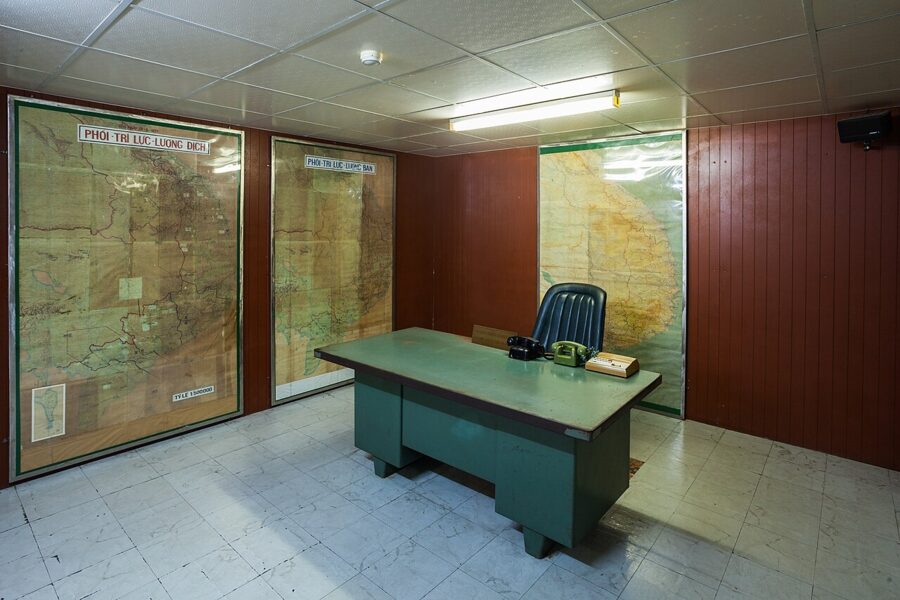

As of November 2026, prices are those set from 1 May 2026:
- General ticket (palace plus the exhibition “From Norodom Palace to Independence Palace 1868–1966”): 80,000 dong (about $3) for adults, 20,000 dong (about 75 cents) for children aged 6 to 15.
- Palace only: 40,000 dong (about $1.50) for adults, 10,000 dong (about 40 cents) for children.
- An electric cart round the grounds costs 25,000 dong (about $1) a ride.
The palace and exhibition are open daily from 7:00 to 18:00, special occasions excepted. Buy tickets at the main gate, 135 Nam Kỳ Khởi Nghĩa (7:00 to 18:00); the side gate on Nguyễn Du sells them only from 8:00 to 16:00. Allow ninety minutes.
The cathedral and the Central Post Office
Saigon’s Notre-Dame Cathedral Basilica went up between 1877 and 1880, and it has been under restoration since 2017. On 19 March 2026 the two gilded crosses went back on top of the spires. The restoration committee has aimed to finish by the end of 2027, provided the money holds, so expect scaffolding and fencing for a while yet.
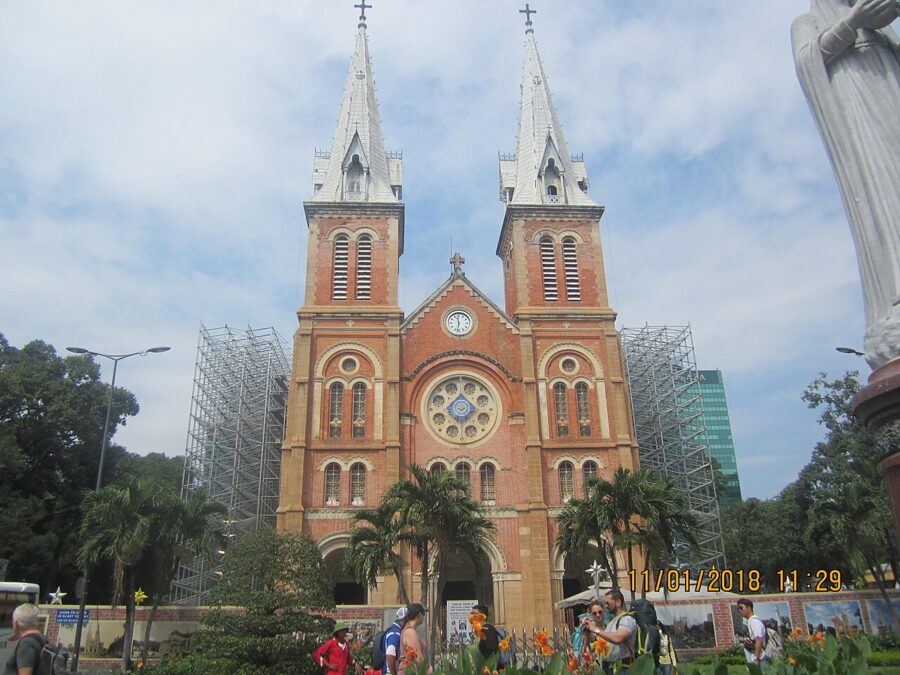

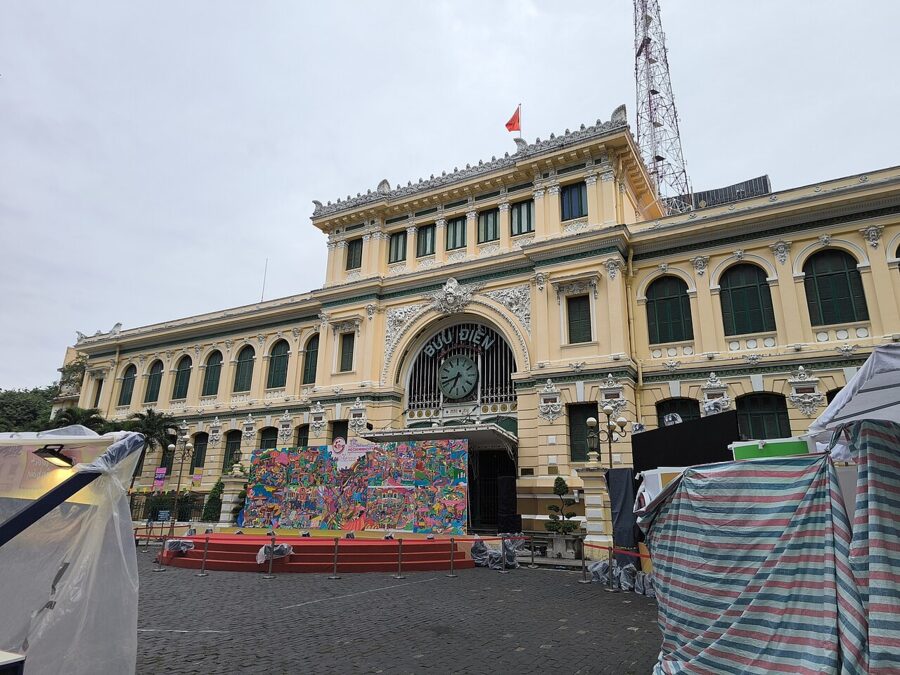
Across the square, the Central Post Office (Bưu điện Trung tâm Sài Gòn) was built between 1886 and 1891 to a design by Alfred Foulhoux. Guides often credit Gustave Eiffel; the building has nothing to do with him. It is still a working post office, free to enter and open daily from seven in the morning.

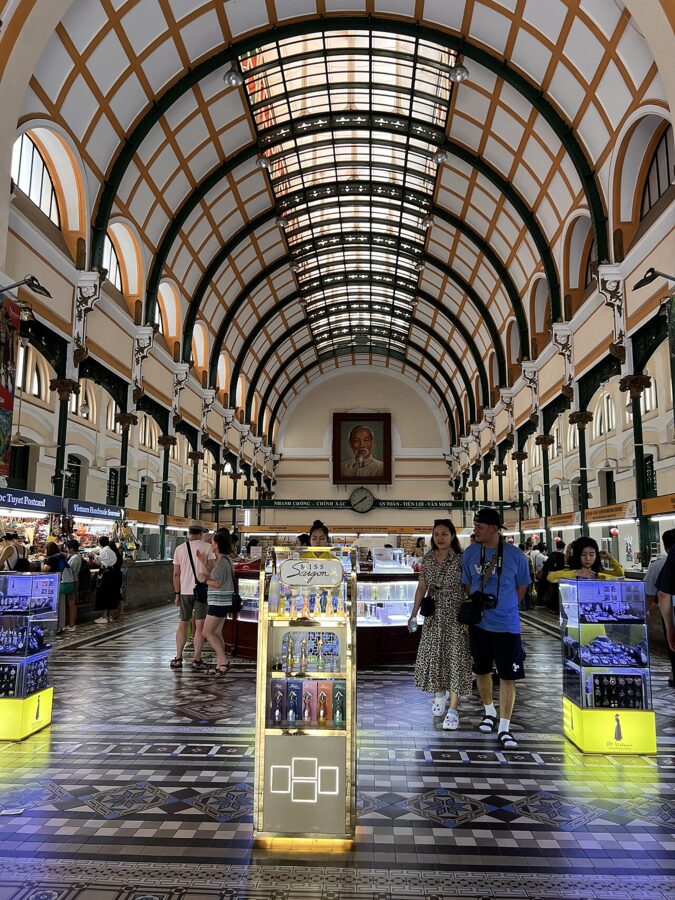
Look up as you walk into the hall. Two painted maps face each other above the counters: one of Saigon and its surroundings in 1892, the other of the telegraph lines of southern Vietnam and Cambodia in 1936. Buy a postcard at the counter and post it from here; it is the one souvenir in the centre that is hard to overpay for.

The Opera House, City Hall and Nguyễn Huệ
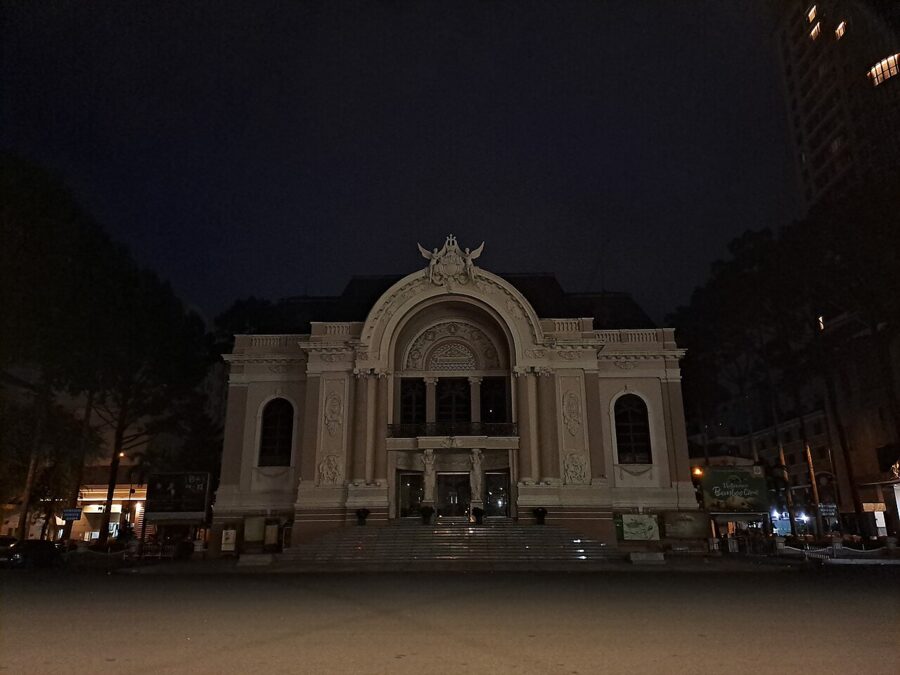
Walk down Đồng Khởi, the old Rue Catinat, and the Opera House (Nhà hát Thành phố) closes the view. It opened in 1900, and the only way inside is a performance. The current long-running show there is the A O Show, a bamboo-and-acrobatics piece by Lune Production, listed for dates from late November 2026; book through the company rather than street touts.
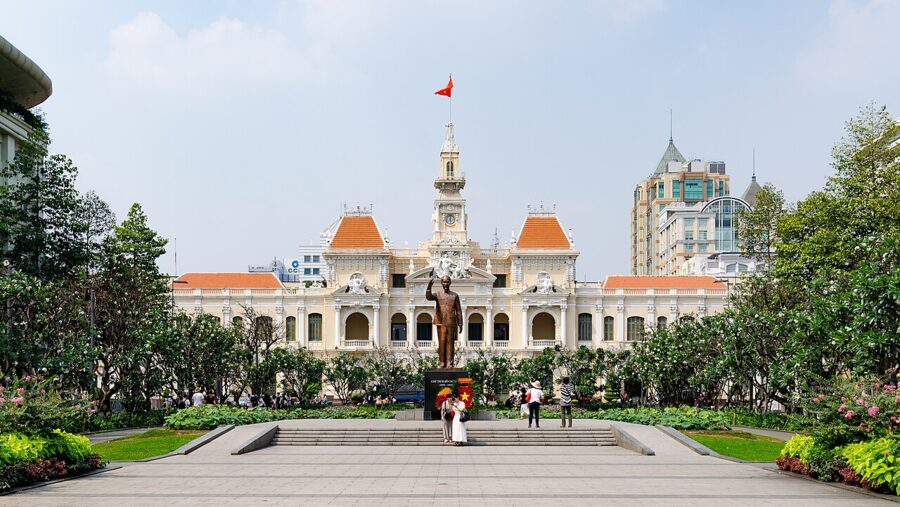
Turn right onto Nguyễn Huệ, which was made a pedestrian boulevard in 2015. City Hall stands at its head, a cream and yellow building finished in 1909 that houses the People’s Committee and is not open to the public. The statue of Ho Chi Minh in front of it is where half the city takes its photographs on holidays.

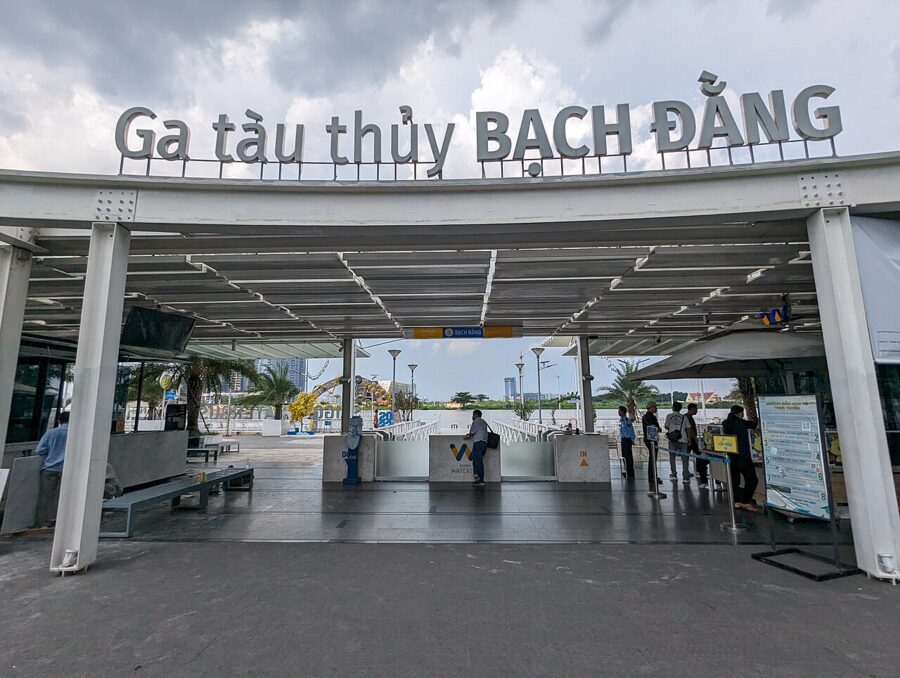
Halfway down, the old apartment block at 42 Nguyễn Huệ is full of cafés, and its balconies are the cheapest viewpoint over the boulevard. At the bottom is the river at Bạch Đằng, where the waterbus leaves.
Ben Thanh Market (Chợ Bến Thành)
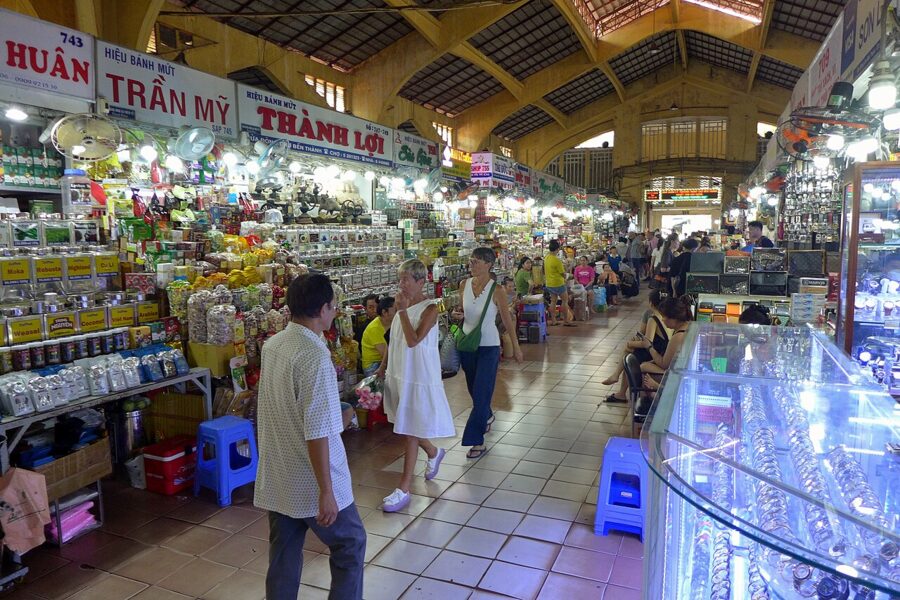
Ben Thanh opened at the end of March 1914 and has sat on its roundabout ever since, a block of stalls between Lê Thánh Tôn and the square with the clock tower gate. Inside, the aisles run through fabric and clothes, coffee and dried fruit, lacquerware and kitchen goods, with cooked-food counters in the middle.
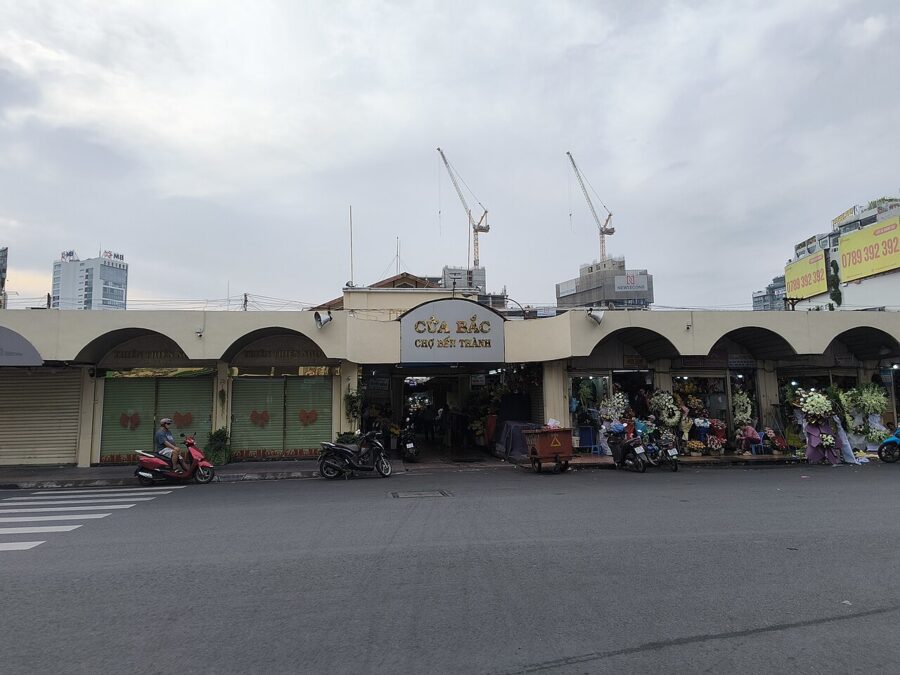

It is the tourist market, and prices start high. Ask at two or three stalls before you buy anything, smile, and walk away if the number does not move. For a market where the city does its own shopping, Bình Tây in Cholon or Tân Định across from the pink church are better.

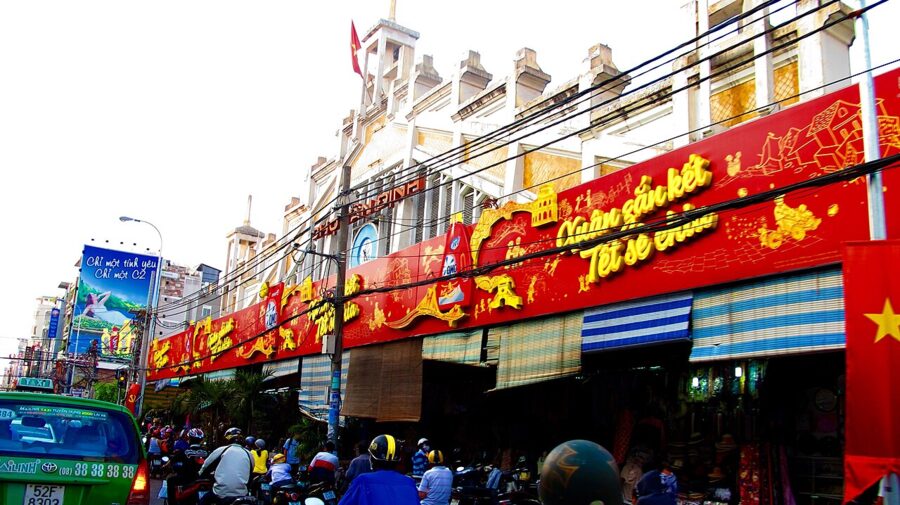

Line 1 of the metro starts in a station under the square beside the market, so this is also where you join the train east to Thảo Điền.
Museums, and which one to pick
If you see one museum, make it the War Remnants Museum. If you have time for two, add the history museum by the zoo, which covers the two thousand years before the twentieth century that the other leaves out.
War Remnants Museum (Bảo tàng Chứng tích Chiến tranh)
The museum at 28 Võ Văn Tần, in Xuân Hòa ward (the old District 3), opened in 1975 and tells the American war from the Vietnamese side. Its photography galleries, with work by photographers killed on both sides, are hard going, and the Agent Orange rooms include preserved specimens. I would not bring young children.
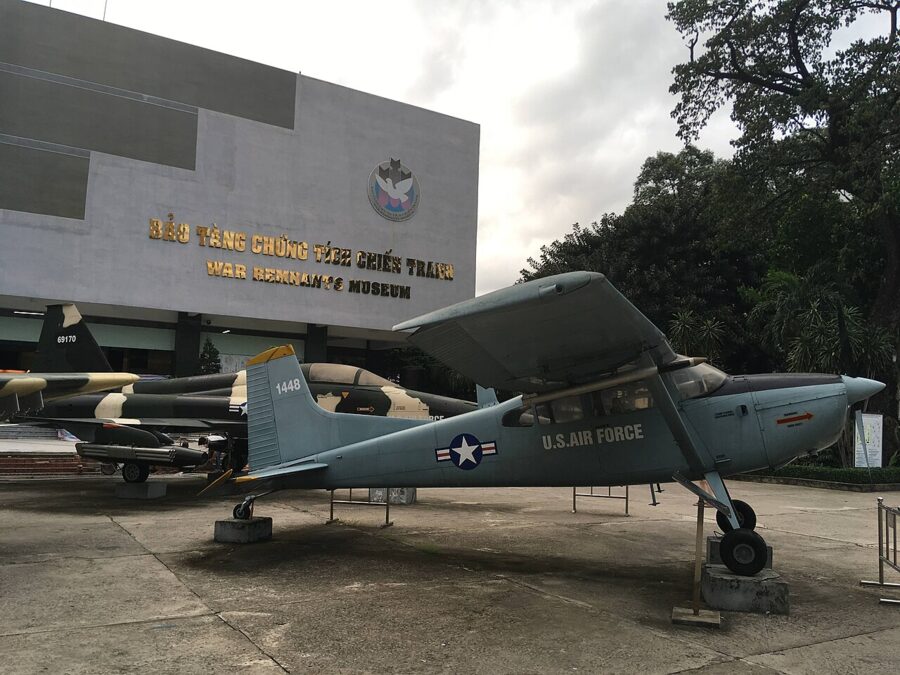

Outside, the yard holds American aircraft and armour and a reconstruction of island prison cells. As of November 2026 the museum is open daily from 7:30 to 17:30, and the ticket counter closes at 17:00. Tickets cost 40,000 dong (about $1.50), or 20,000 dong for children aged 6 to 15, students and over-60s.
Since February 2026 you can buy a timed ticket online and show the QR code at the gate. Arrive at opening, before the tour coaches, and allow two hours.
Ho Chi Minh City Museum (the old Gia Long Palace)
At 65 Lý Tự Trọng, a white 1890 building that served as Ngô Đình Diệm’s palace in his last years now tells the city’s own story, from the old port and its trades to the wars of the twentieth century. The building is the main reason to go, along with the grounds, which are cool and quiet in the middle of the day.
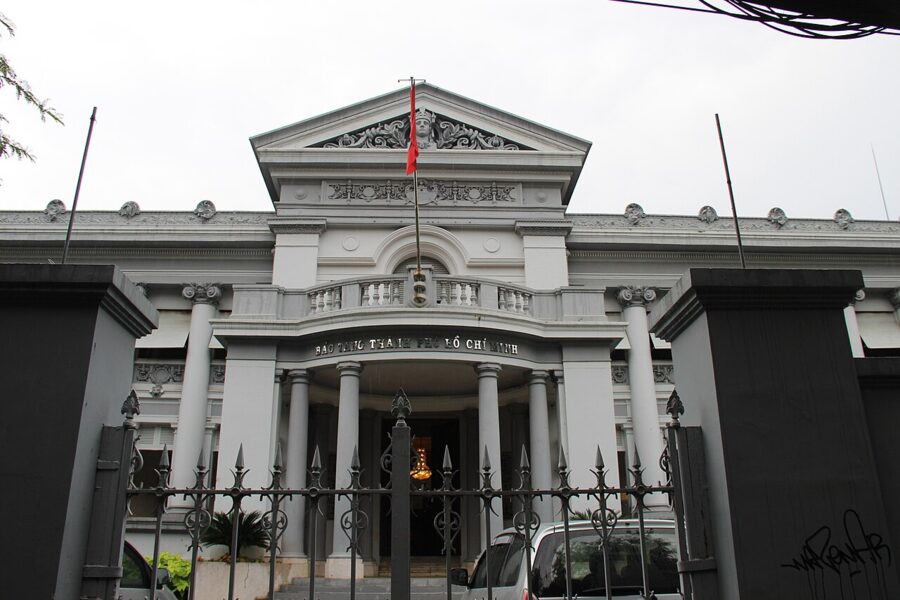
It is open daily from 8:00 to 17:00, holidays and Tết included. From 1 October 2026 the adult ticket is 60,000 dong (about $2.30), with students and children free.
Museum of Vietnamese History
The history museum at 2 Nguyễn Bỉnh Khiêm sits in a 1929 building by Auguste Delaval at the gate of the zoo. Its strength is the south before the Viet: Óc Eo finds from the Mekong, Cham sandstone sculpture and Khmer Buddhas.
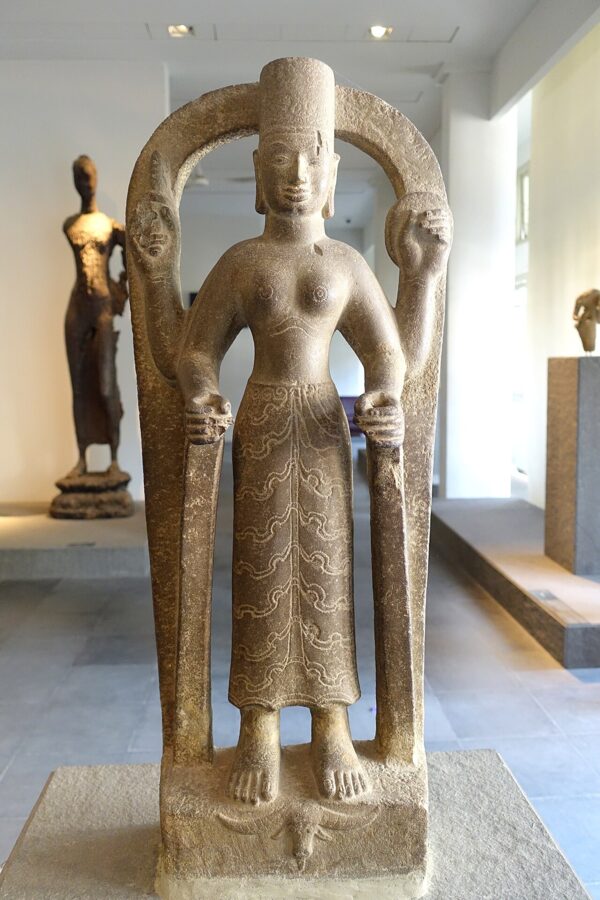
Hours are Tuesday to Sunday, 8:00 to 11:30 and 13:00 to 17:00; it closes on Mondays. From 1 October 2026 the ticket is 60,000 dong, with students and children aged 6 to 16 free.
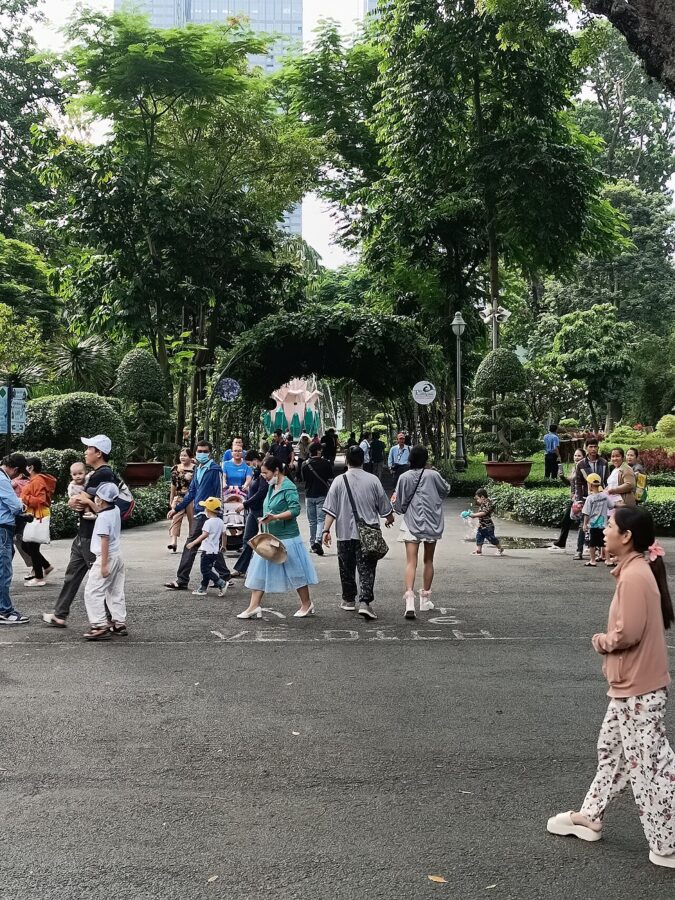
The zoo and botanical garden behind it (Thảo Cầm Viên) dates from 1864 and is mostly worth it for the old trees and the shade. Its ticket was 60,000 dong for anyone taller than 1.3 metres as of mid-2026.

Fine Arts Museum
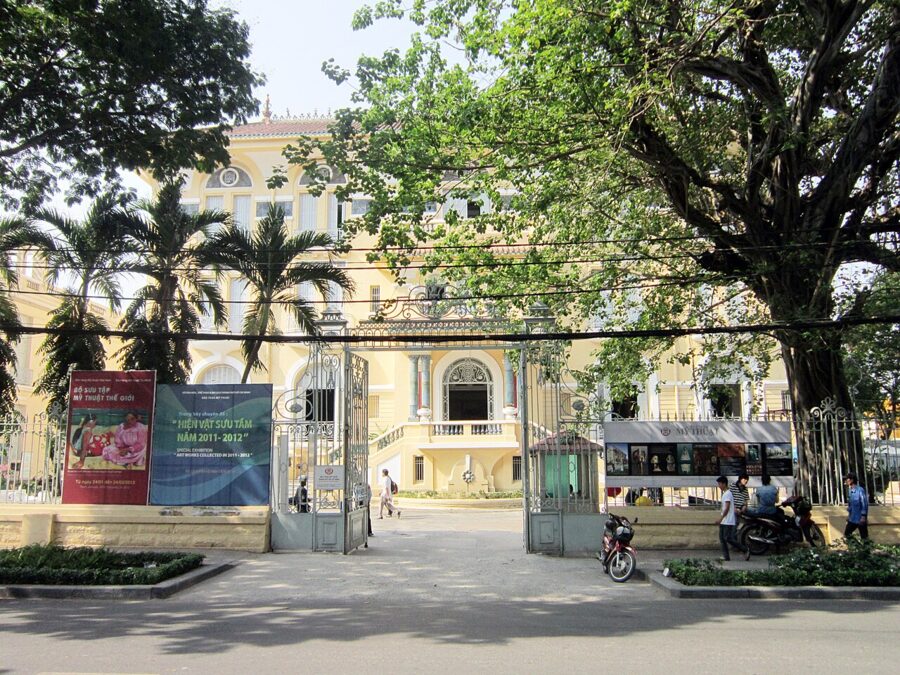
The Fine Arts Museum at 97A Phó Đức Chính, in Bến Thành ward, fills the early twentieth-century mansion of the Hứa family, Chinese merchants who were among Saigon’s richest. Go for the house: the tiled floors, the stained glass and the old lift. The lacquer paintings are the best of the collection; check the fee at the gate.

| Museum | Good for | Hours (as of November 2026) | Adult ticket |
|---|---|---|---|
| Independence Palace | The end of the war, 1960s interiors | Daily 7:00–18:00 | 80,000 dong (palace only 40,000) |
| War Remnants Museum | The American war from the Vietnamese side | Daily 7:30–17:30 | 40,000 dong |
| Ho Chi Minh City Museum | The city’s history and the building | Daily 8:00–17:00 | 60,000 dong |
| Museum of Vietnamese History | Cham, Óc Eo and Khmer sculpture | Tue–Sun 8:00–11:30, 13:00–17:00 | 60,000 dong |
Pagodas and churches worth the detour
Jade Emperor Pagoda (Chùa Ngọc Hoàng)
On Mai Thị Lựu street, in what is now Tân Định ward, the Cantonese community built a Taoist temple to the Jade Emperor in the first years of the twentieth century. The halls are dark, smoky and packed with carved and painted figures, including a room of the judges of hell. Entry is free; dress modestly and keep your voice down.
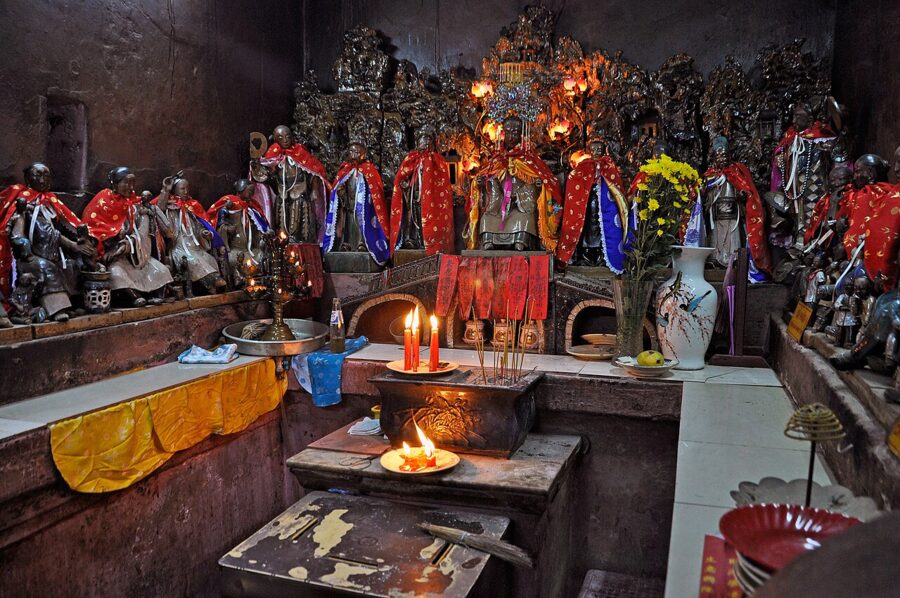

Barack Obama visited in May 2016, and the pond of turtles in the courtyard has been photographed ever since. It is a twenty-minute walk north of the post office, or a short ride, and it pairs well with Tân Định church.
Tân Định Church
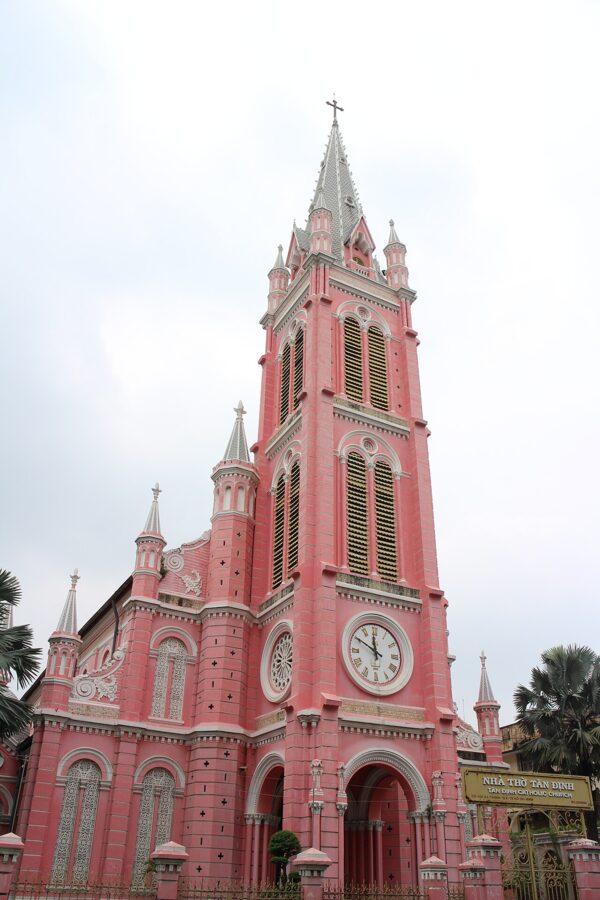
Ten minutes further up Hai Bà Trưng, at number 289, the parish church of Tân Định is painted pink from steps to spire. It dates from 1876 and is a working church with daily masses, so go between services and step inside quietly. The Tân Định market across the street is a real neighbourhood market and a good place to buy fabric.

Cholon and the city past the centre
Chợ Lớn, the “big market”, grew up from the eighteenth century as a Chinese trading town a few kilometres west of the French city. It was merged into Saigon long ago, and since 2025 it is spread across the Chợ Lớn, An Đông, Chợ Quán and Bình Tây wards. A ride-hailing car from the centre takes twenty to thirty minutes, depending on traffic. Give it a morning, then eat your way back.
Thiên Hậu Temple
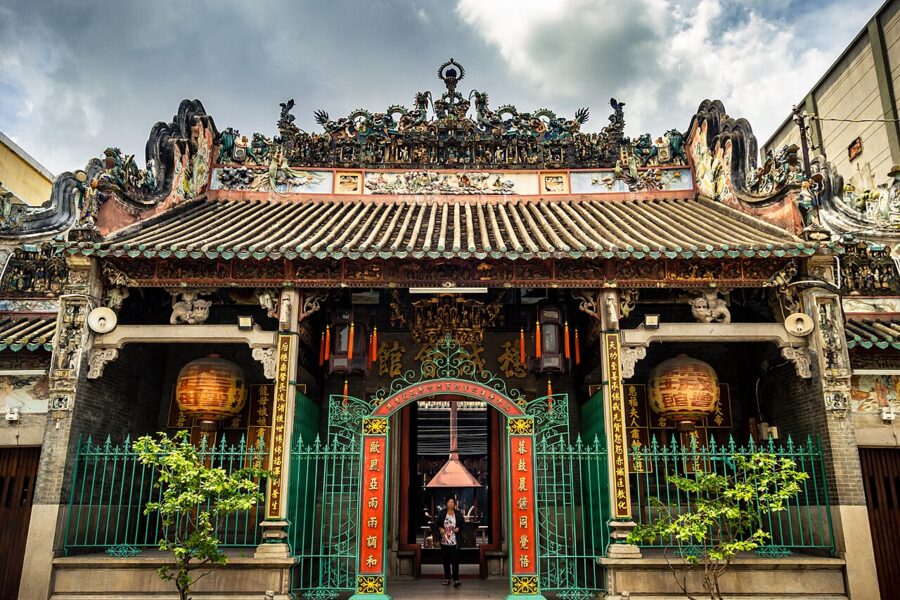
The temple at 710 Nguyễn Trãi, now in Chợ Lớn ward, is the Cantonese assembly hall dedicated to Thiên Hậu, the goddess who protects sailors. Its roof ridges are crowded with ceramic figures of scenes from Chinese opera, and coils of incense hang from the ceiling inside, each one paid for by a family and left to burn for days. Entry is free.

Bình Tây Market
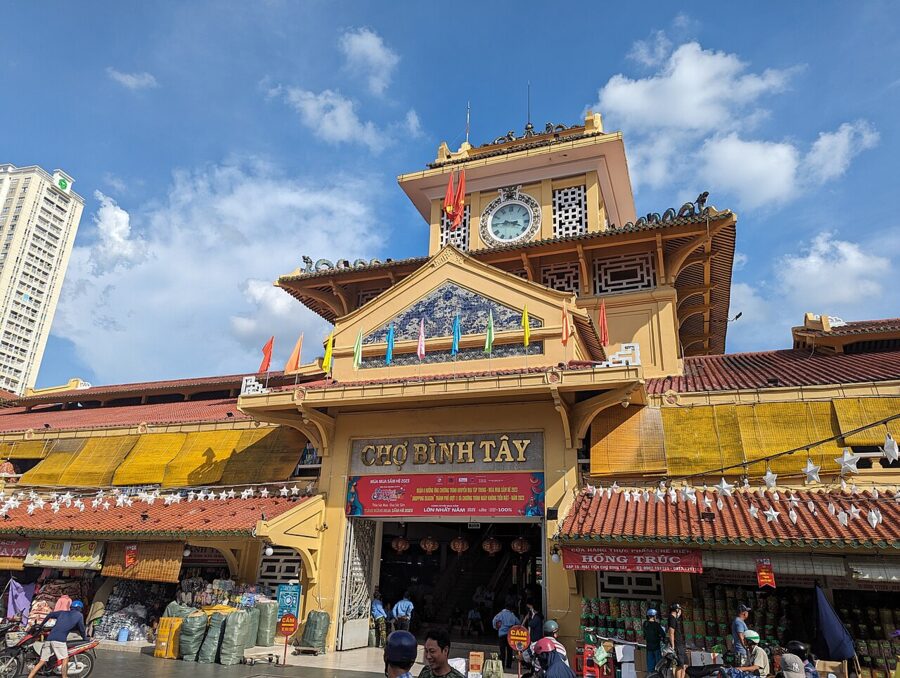
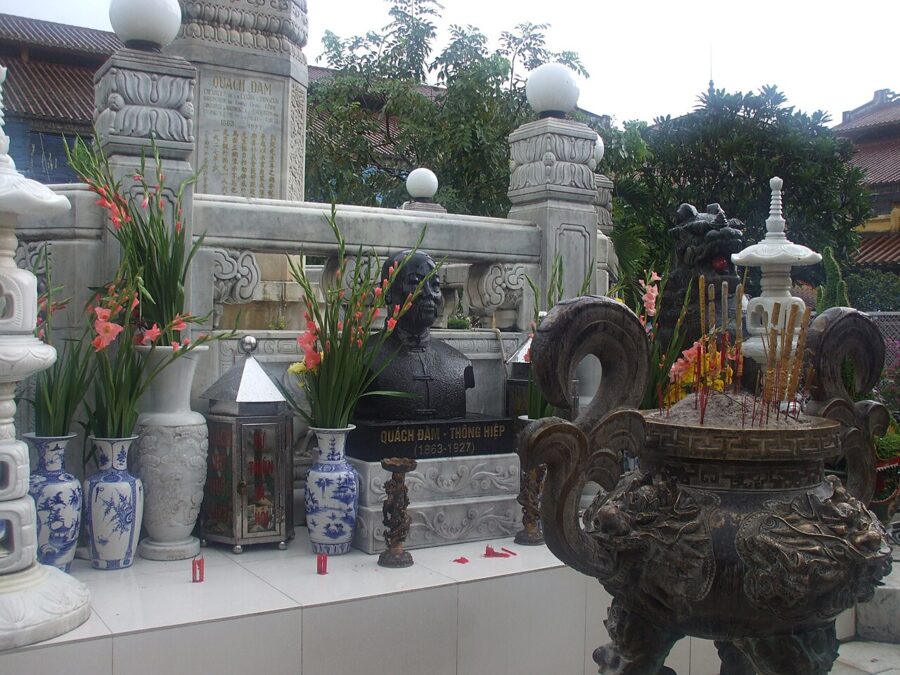
Bình Tây Market, in Bình Tây ward (the old District 6), was built in 1928 by the merchant Quách Đàm, whose statue stands in the central courtyard. It reopened in 2020 after a long restoration and is still mostly wholesale: sacks of dried shrimp, sweets by the kilo, plastic goods by the gross. Come for the scale of it and the trading floor, not for souvenirs.

Herb street, Cha Tam church and the dumpling street
Walk north-east from the market along Hải Thượng Lãn Ông and the shops turn into traditional medicine dealers, with dried roots, bark and seeds spread out in baskets. At the end of Trần Hưng Đạo, the church of Cha Tam is where Ngô Đình Diệm and his brother Nhu took refuge on the morning of 2 November 1963. They left it under arrest and were killed on the way into the city.
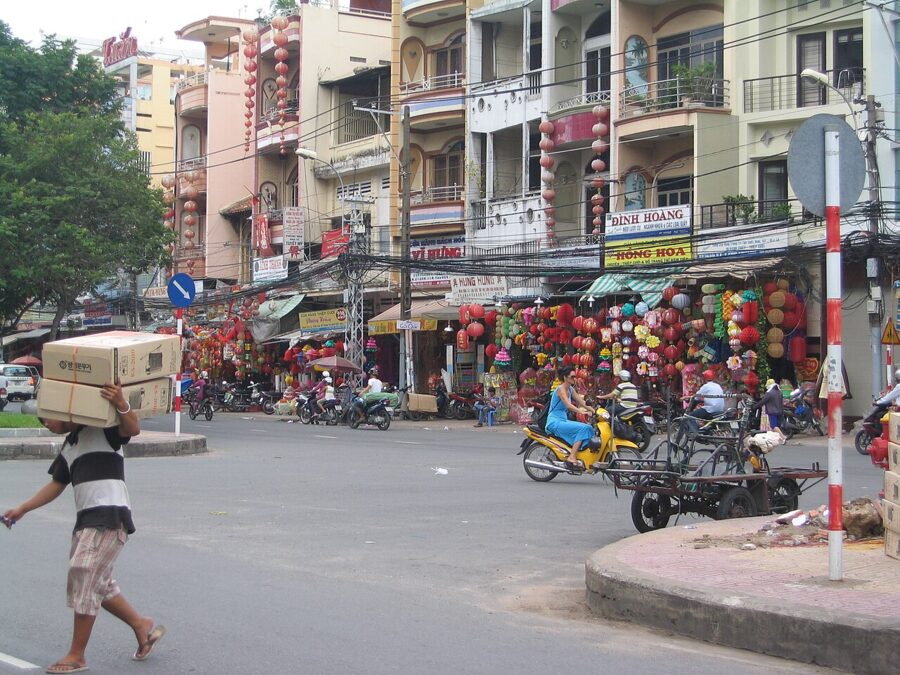

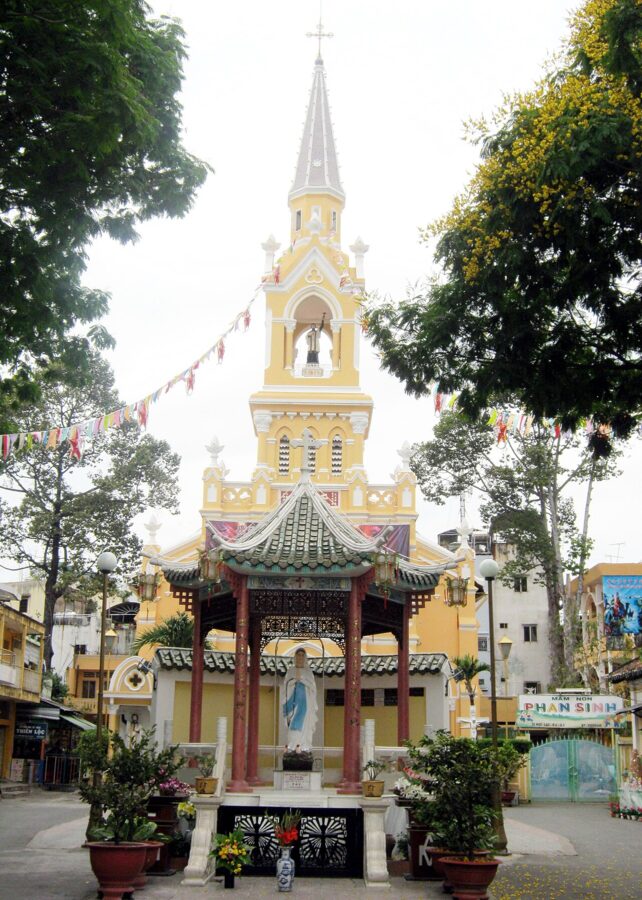
For lunch, Hà Tôn Quyền street (in the old District 11) has been lined with dumpling and noodle shops since the 1970s. Around the Mid-Autumn Festival, Lương Nhữ Học street turns into a lantern market and gets very crowded in the evenings.
Across the river: Thủ Thiêm and Thảo Điền
East of the river, the new An Khánh ward takes in Thủ Thiêm, Thảo Điền and their neighbours. Thủ Thiêm’s riverside park, with a waterbus stop, gives the best evening view back across to the old centre. Thảo Điền, a few stops out on the metro, is where many foreign residents live, with cafés and restaurants in leafy lanes.
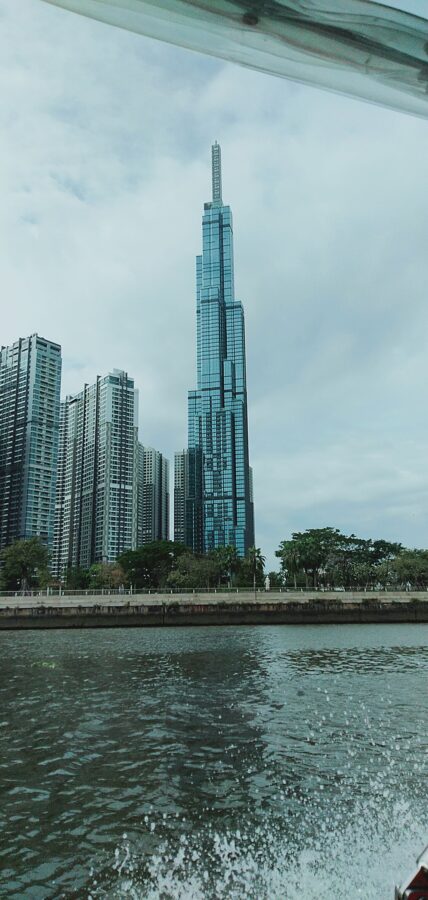

Two towers sell views: the Saigon Skydeck on the 49th floor of the Bitexco Financial Tower, and the higher SkyView on floors 79 to 81 of Landmark 81. Pay for one at most, near sunset, on a clear day.
What to eat, and where
Southern cooking is sweeter than the north’s and comes with a plate of fresh herbs at nearly every meal. Many of the best places open early and close when they sell out, so plan meals before sights rather than after.
Breakfast: phở and cơm tấm
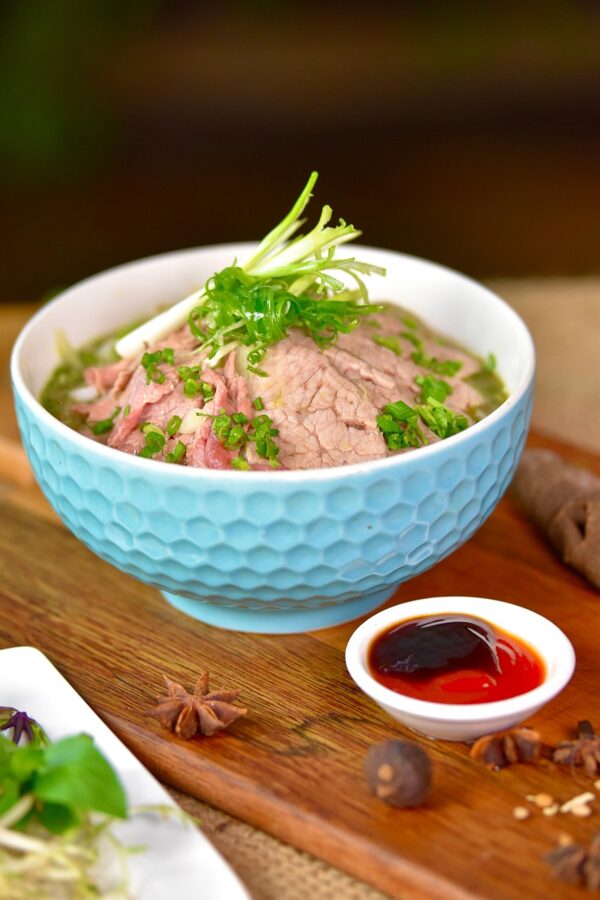
Phở bò (beef noodle soup) came south with northerners in 1954, and in Saigon it is served with bean sprouts and herbs on the side. Phở Minh, in an alley at 63/6 Pasteur, has been serving since 1945. It opens at 6:30, sells out by about 10:30 and takes cash only.
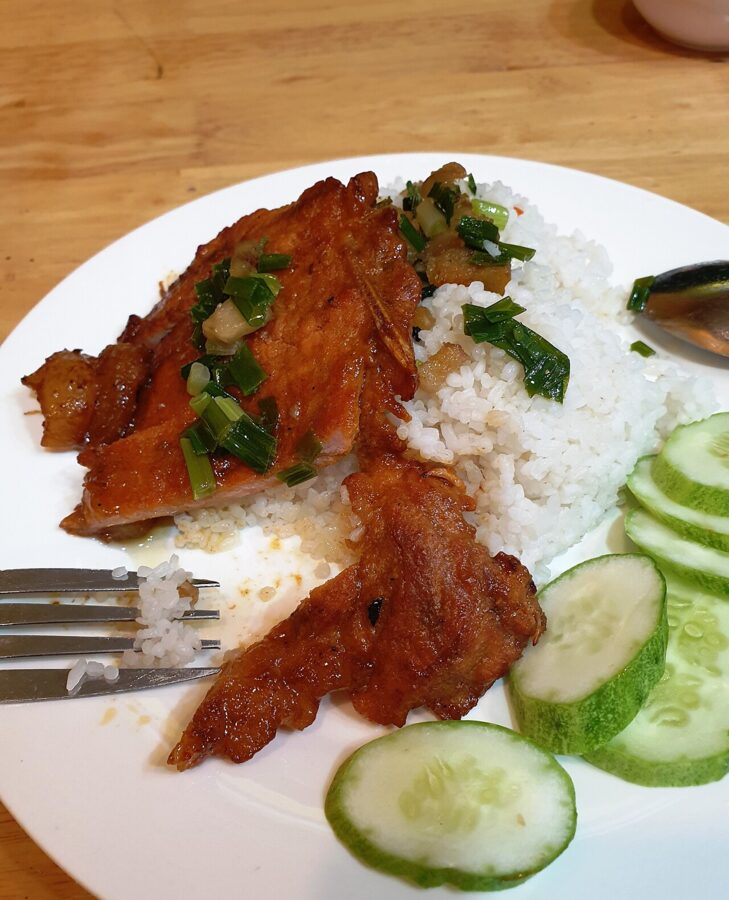
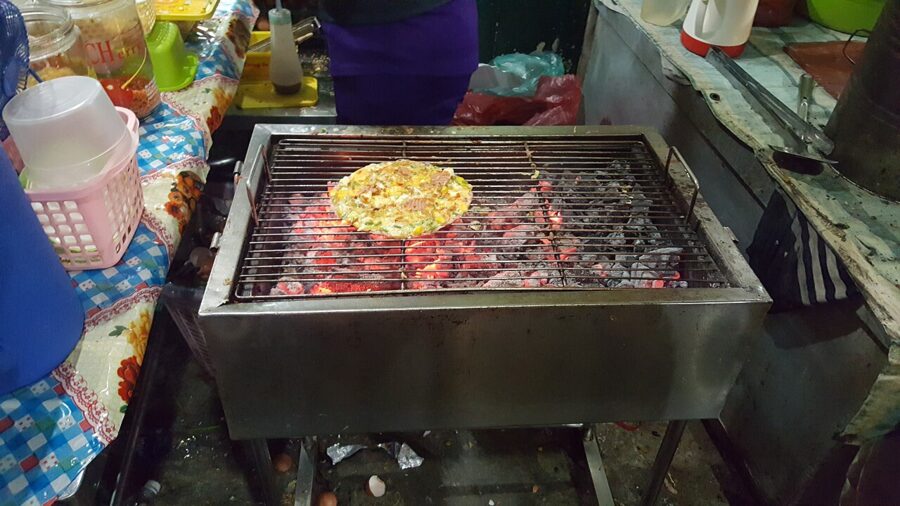
Cơm tấm (broken rice) is Saigon’s own: rice from broken grains with a grilled pork chop, shredded pork skin, a slice of steamed egg-and-pork loaf and a fried egg, dressed with sweet fish sauce. It is sold from breakfast to late night, and the best smell on any street at seven in the morning is a cơm tấm grill.
Noodles, pancakes and clay pots
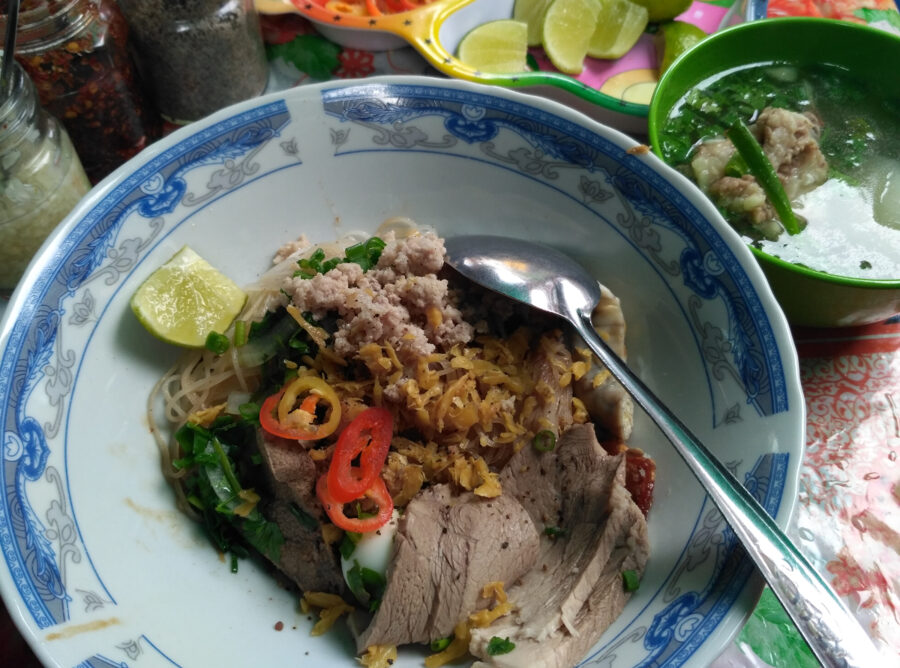
Hủ tiếu Nam Vang (Phnom Penh-style noodles) arrived with the Chinese-Cambodian community and comes in soup or dry, with the broth on the side. Hồng Phát, at 389–391 Võ Văn Tần in Bàn Cờ ward, serves it with shrimp, liver and minced pork from 6:30 to 22:30.

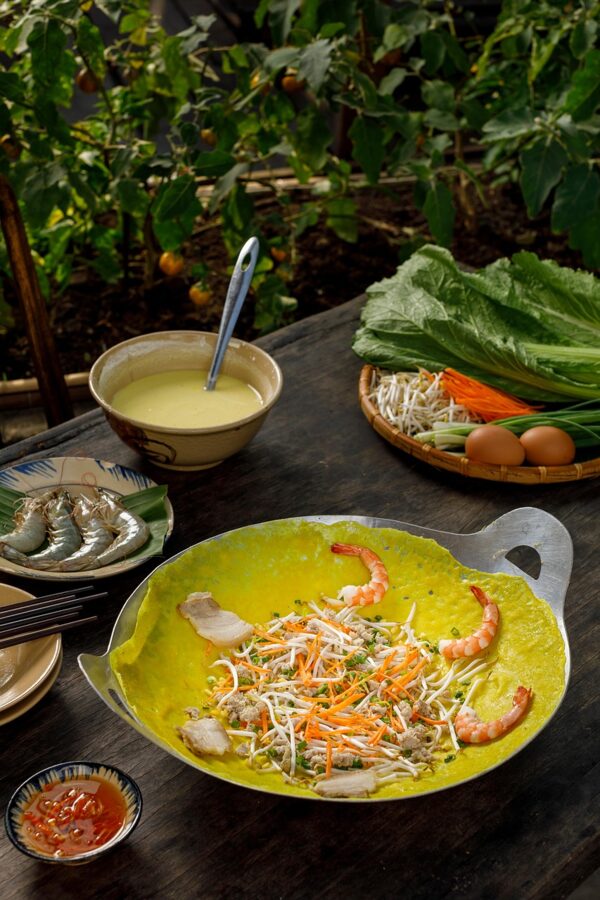
Bánh xèo (crisp rice-flour pancakes) are folded over shrimp, pork and bean sprouts and eaten wrapped in lettuce and herbs. Bánh Xèo 46A, on Đinh Công Tráng in Tân Định ward, cooks them to order, from 10:00 to 13:50 and 16:00 to 20:50.
For Cantonese food, Tiệm Cơm Thố Chuyên Ký at 67 Tôn Thất Đạm, in Sài Gòn ward, cooks rice in clay pots until a crust forms on the bottom. It opens 10:00 to 14:00 and 17:00 to 21:00, takes cash only, and is worth booking by phone for dinner.
Street food after dark
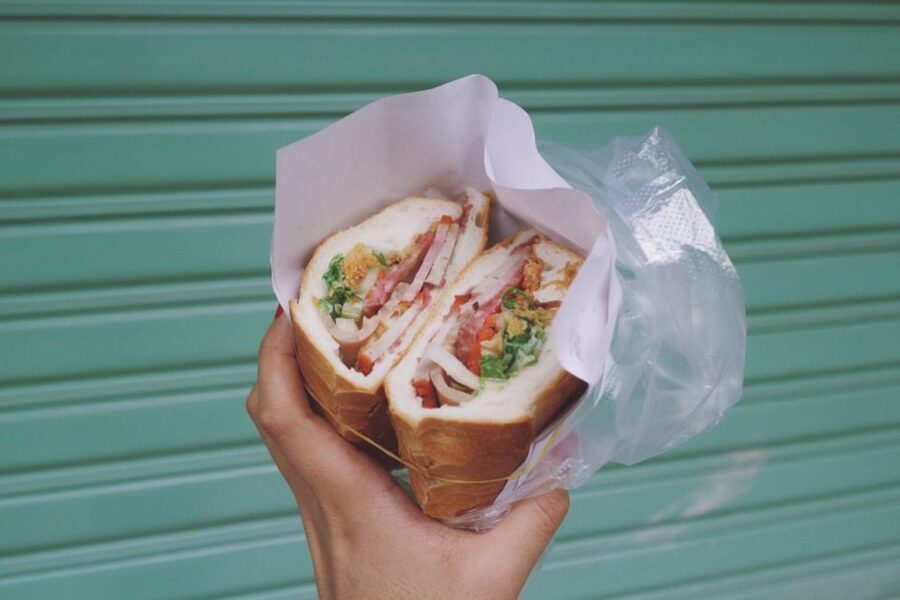
Bánh mì (the Vietnamese baguette sandwich, with pâté, cold cuts, pickles and chilli) is sold from carts on almost every corner, and the corner nearest your hotel is usually fine. In the evening, go out for ốc, shellfish and snails cooked with tamarind, garlic or coconut. Vĩnh Khánh street in the old District 4 is lined with these places, and a group of four can order half the menu.
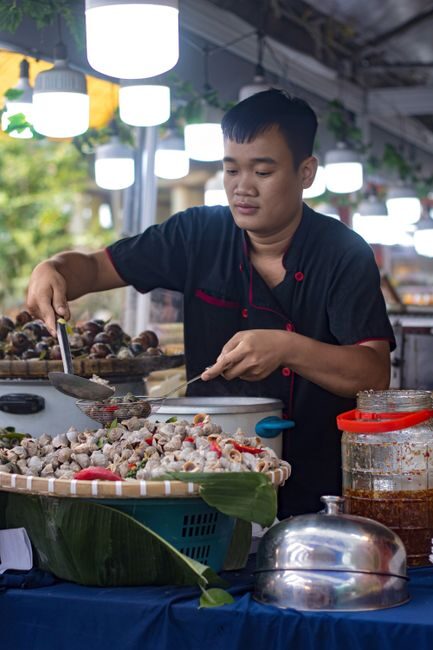
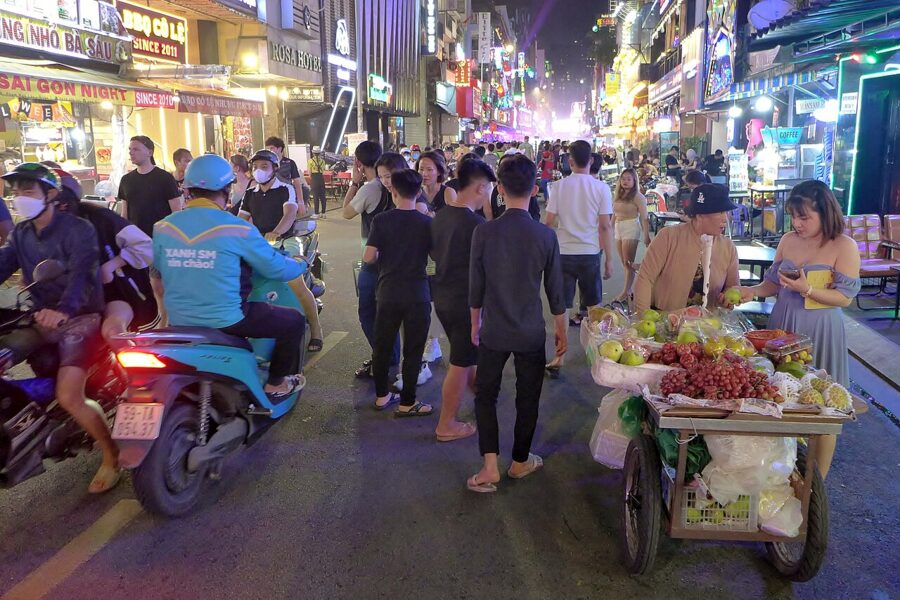
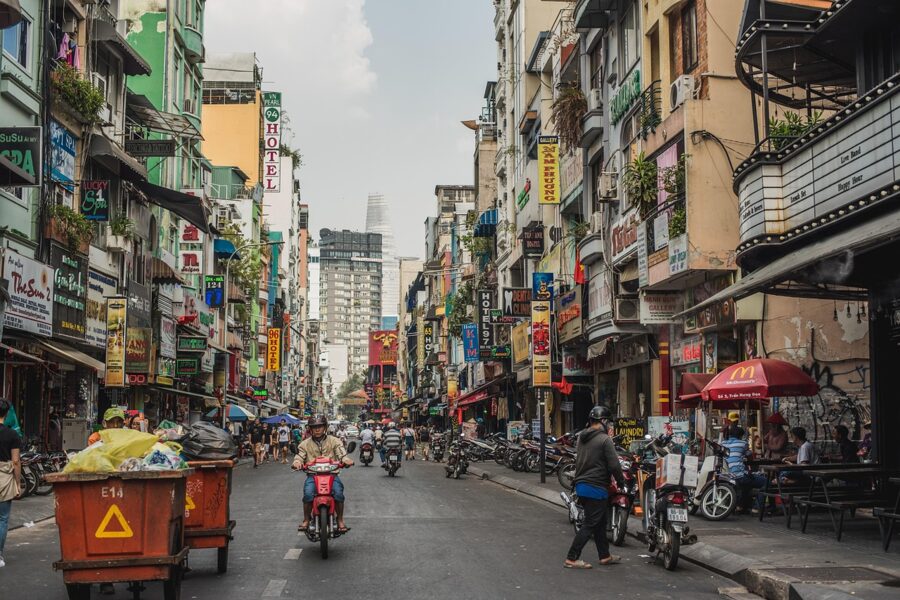
Hồ Thị Kỷ, an alley market in the old District 10, mixes flower sellers with grill stalls and runs from mid-afternoon until around 23:00. Bùi Viện, the backpacker street near Phạm Ngũ Lão, turns into a pedestrian street on busy nights and becomes one long, loud bar. I would see it once, walk the length of it with a beer, and eat somewhere else.

Coffee
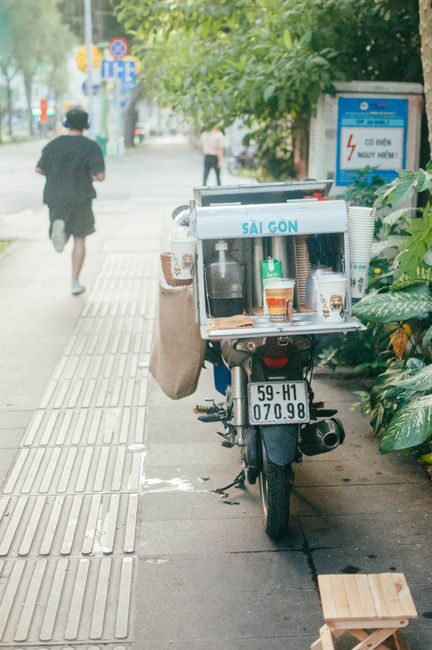
Cà phê sữa đá is strong drip coffee over condensed milk and ice, and it is what the city runs on. In Cholon and a few old shops elsewhere you will still find cà phê vợt, brewed through a cloth sock in a kettle, a method that came with the Chinese community. Order it black (đen) if the condensed milk is too much.
Getting around
Walking and ride-hailing
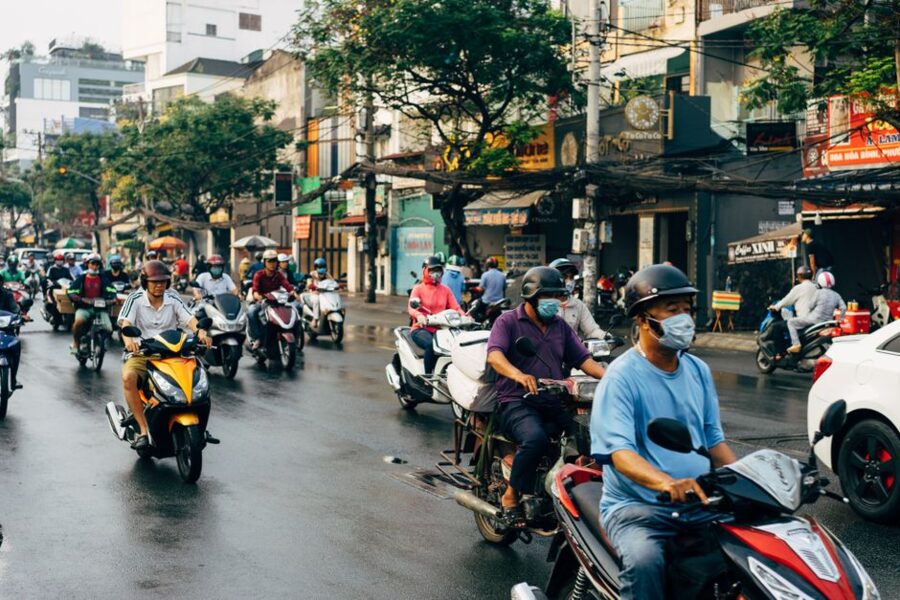
The centre is walkable, but the pavements double as motorbike parking, so you will often walk in the road. For anything further, the ride-hailing apps Grab, Be and Xanh SM (green electric taxis and bikes) fix the price before you start and save the haggling.
Tân Sơn Nhất airport is about 8 kilometres north of the centre, and most domestic flights now use the newer Terminal 3. A ride-hailing car is the simplest way in; book it once you are through arrivals and meet the driver at the marked pick-up point.
Metro Line 1
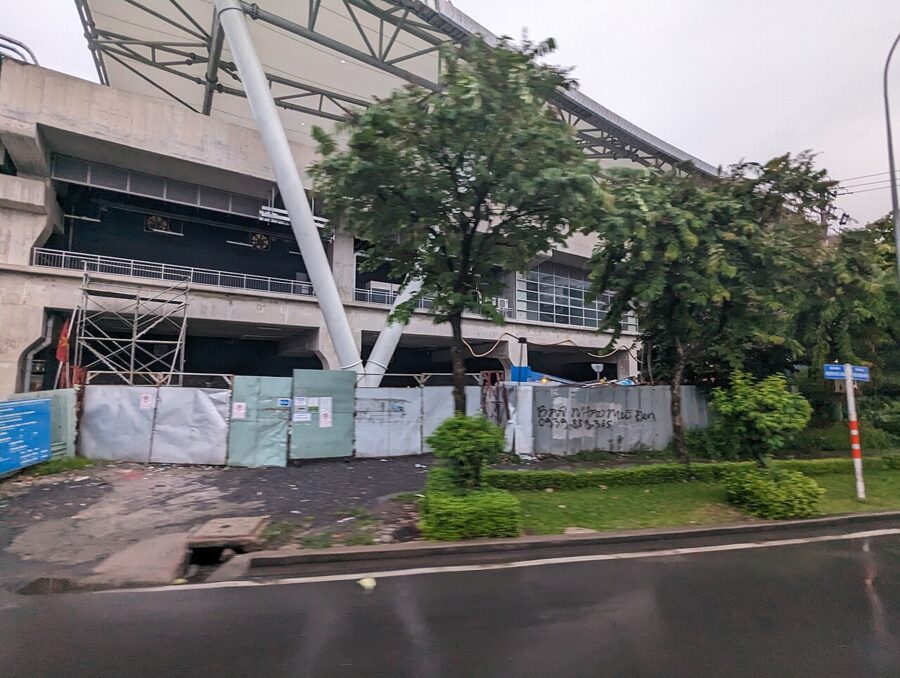
The city’s first metro line opened on 22 December 2024. It runs 19.7 kilometres from Bến Thành, under the market square, through the Opera House and Ba Son stations, then out over the river to Thảo Điền and on to the Suối Tiên bus station, 14 stations in all. The full run takes about 29 minutes.
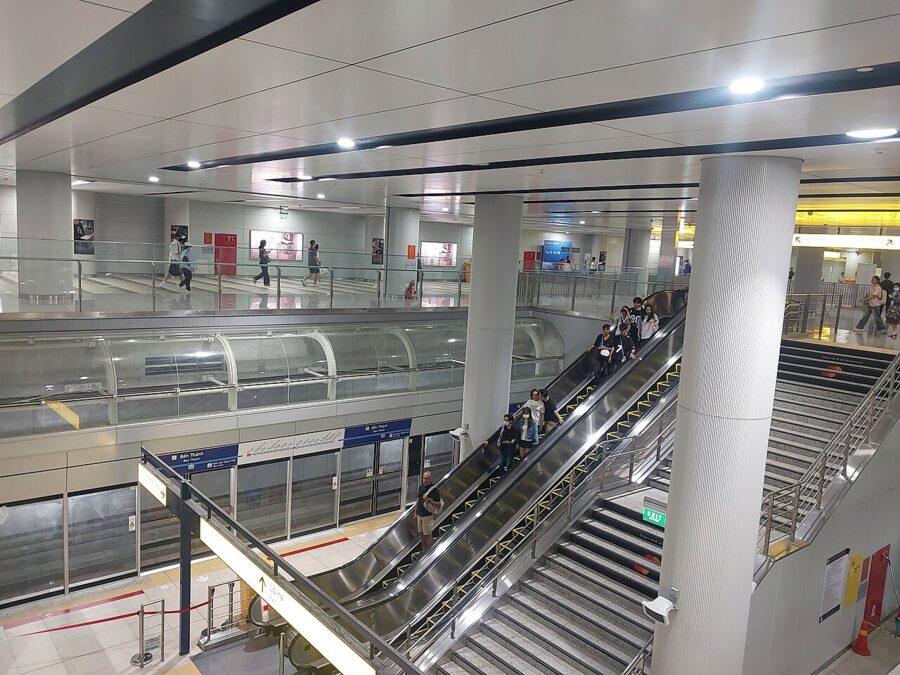

As of November 2026, single fares are 6,000 to 20,000 dong (about 25 to 75 cents) depending on distance, a little cheaper if you pay by card. A one-day pass costs 40,000 dong (about $1.50) and a three-day pass 90,000 (about $3.40). You can tap a contactless Visa or Mastercard straight on the gate, or buy a card from the machines, which take notes up to 200,000 dong (about $7.60).
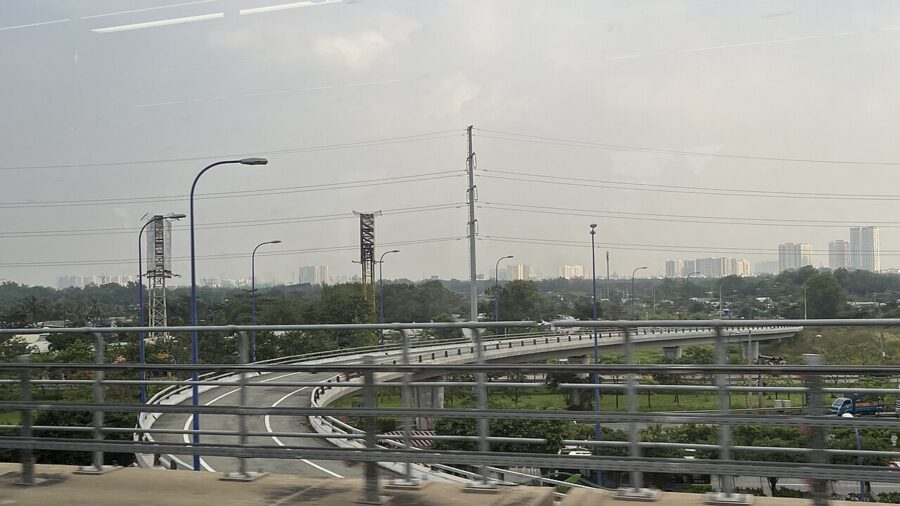
The 2026 timetable runs from about 5:00 until 22:00 on most days, an hour later on Fridays and on major holidays. For visitors, the useful stops are Bến Thành, the Opera House, Ba Son for the riverside and Thảo Điền for An Khánh ward.
The waterbus
The Saigon Waterbus runs up the river from Bạch Đằng, at the foot of Nguyễn Huệ, calling at Thủ Thiêm, Ba Son, Bình An, Thảo Điền, Thanh Đa and Hiệp Bình Chánh before Linh Đông. A ride costs 15,000 dong (about 60 cents), and the current timetable, in force since 1 April 2026, adds extra trips on weekends and holidays. As transport it is slow; as a cheap river cruise at sunset it is the best value in the city.
Day trips: Cu Chi and the Mekong Delta
The Cu Chi tunnels (Địa đạo Củ Chi)
The tunnel network around Củ Chi, north-west of the city, ran to about 250 kilometres on three levels and sheltered fighters and villagers through the war. Two sites are open: Bến Đình, the nearer one, where most tour coaches go, and Bến Dược, roughly 70 kilometres by road from the centre, with a memorial temple. Both open daily from early morning to late afternoon; go at opening, before the coaches and the heat.
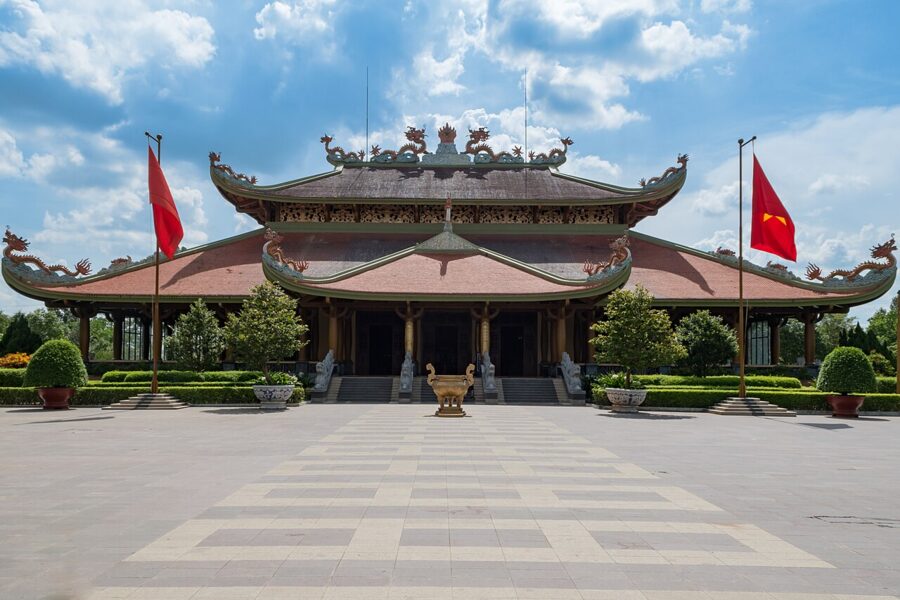

Foreign visitors pay a higher ticket price than Vietnamese ones, and the figures quoted around the city disagree, so check the board at the gate. On your own, take city bus 13 from the Ben Thanh area to the Củ Chi bus station and change to bus 79 for Bến Dược; it takes two and a half to three hours each way. A ride-hailing car cuts that roughly in half.
This is the day trip where a guide earns the money, because the tunnels mean little without someone explaining the trapdoors, the kitchens and the air vents. A fair half-day tour includes hotel pick-up, the entrance ticket and an English-speaking guide, and leaves early enough to beat the heat. Bến Đình has a firing range where you pay per bullet; skip it if you can.
The Mekong Delta
The delta’s provinces were also merged in 2025. Mỹ Tho, the classic day-trip town, is now in Đồng Tháp province; Bến Tre is in Vĩnh Long; and Cần Thơ absorbed Hậu Giang and Sóc Trăng. Signs and tour leaflets will take a while to catch up.
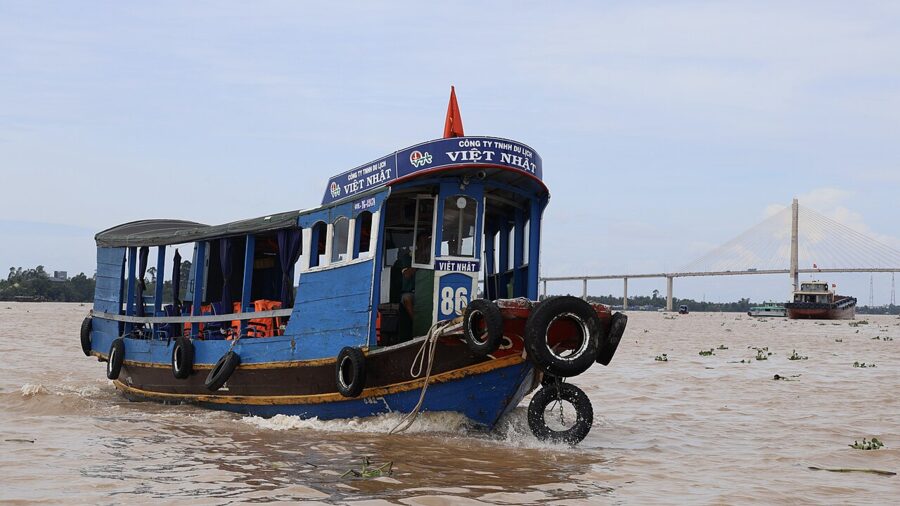

The standard day trip goes to Mỹ Tho, crosses to the islands for coconut sweets and honey tea, and paddles you down a palm-lined canal in a rowing boat. It is pleasant and very well worn. If you have one day, it is fine; if you have two, go to Cần Thơ instead.
Cần Thơ is three to four hours by bus from the Miền Tây bus station, and the Cái Răng floating market is only worth it at dawn, so it needs a night there. The market is smaller than it was a decade ago, and each wholesale boat advertises its produce by tying a sample to a tall pole. Hire a boat at the Cần Thơ waterfront the evening before and agree the price and route.
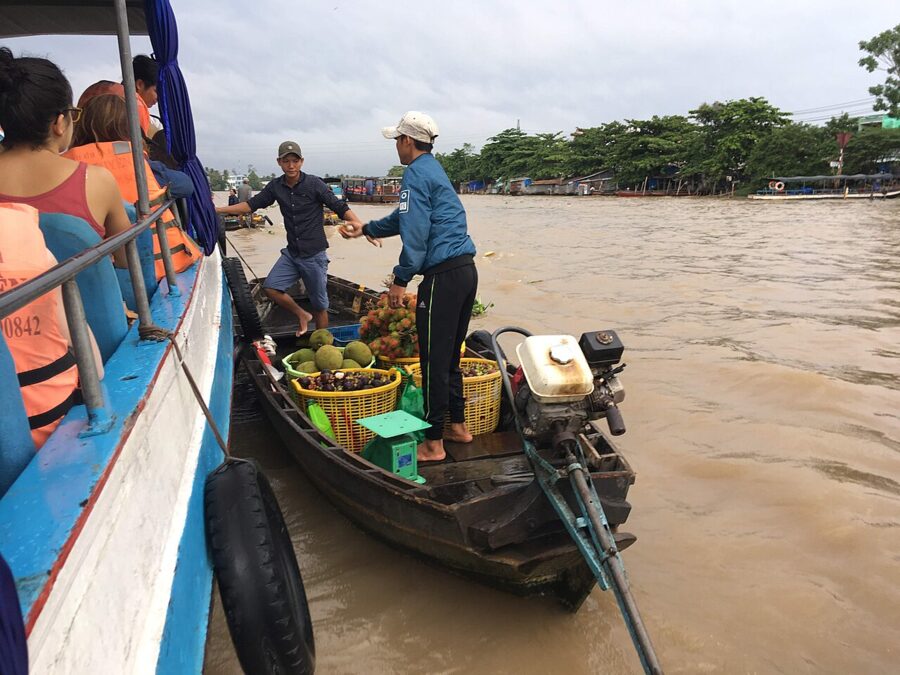

Mỹ Tho is ninety minutes to two hours by bus from the same station, with boats to the islands from the town’s tourist wharf. If you are also heading north to Ha Long Bay, the delta is the opposite kind of water: flat, brown and full of working boats.
Cần Giờ mangroves
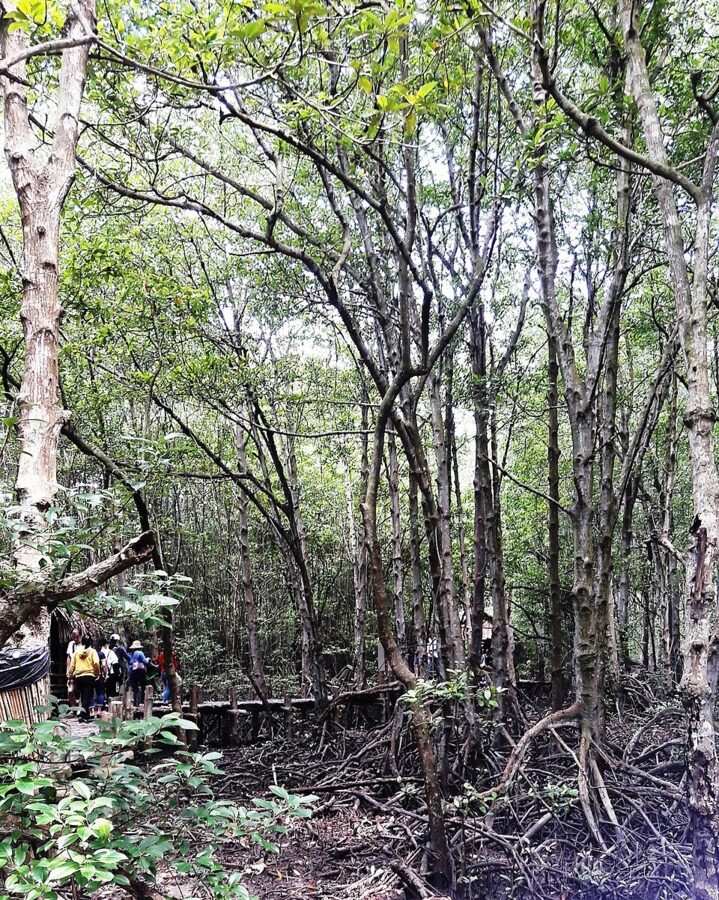
The mangrove forest at Cần Giờ, about 50 kilometres south-east of the centre and still inside the city boundary, became Vietnam’s first UNESCO biosphere reserve in 2000. You reach it by crossing the river on the Bình Khánh ferry. There is a monkey colony, a wartime base in the forest and seafood at the coast, and it is easiest by car or motorbike.

Where to stay, and what happened to District 1
On 1 July 2025 Vietnam abolished its district level of government. On the same day Ho Chi Minh City absorbed Bình Dương and Bà Rịa–Vũng Tàu provinces, more than tripling its area to about 6,772 square kilometres. The city now has 168 units below it: 113 wards, 54 communes and the special zone of Côn Đảo. The numbered districts survive only in conversation.
For a visitor this matters in one way: addresses. A hotel in the old Bến Nghé ward of District 1 is now in Sài Gòn ward. Streets and house numbers did not change, so give drivers the street and number. Most people, drivers included, still say “Quận 1”.
| Old district | New wards (since 1 July 2025) |
|---|---|
| District 1 | Sài Gòn, Bến Thành, Tân Định, Cầu Ông Lãnh |
| District 3 | Xuân Hòa, Bàn Cờ, Nhiêu Lộc |
| District 5 | Chợ Lớn, An Đông, Chợ Quán |
| District 6 | Bình Tây, Bình Tiên, Bình Phú, Phú Lâm |
| Thủ Thiêm, Thảo Điền and neighbours (old District 2) | An Khánh |
Where to base yourself depends on what you came for:
- Sài Gòn ward (around Đồng Khởi and Nguyễn Huệ): the dearest rooms, everything in walking distance.
- Bến Thành ward (Phạm Ngũ Lão and Bùi Viện): the cheapest beds and the most noise; pick a lane a block off Bùi Viện.
- Xuân Hòa and Bàn Cờ (the old District 3): leafy, good local food, fifteen minutes’ walk to the palace.
- An Khánh (Thảo Điền): quieter and greener, on the metro and the waterbus.
- Chợ Lớn: cheap and full of food, but a ride from every central sight.
Weather, money and fitting it into a trip
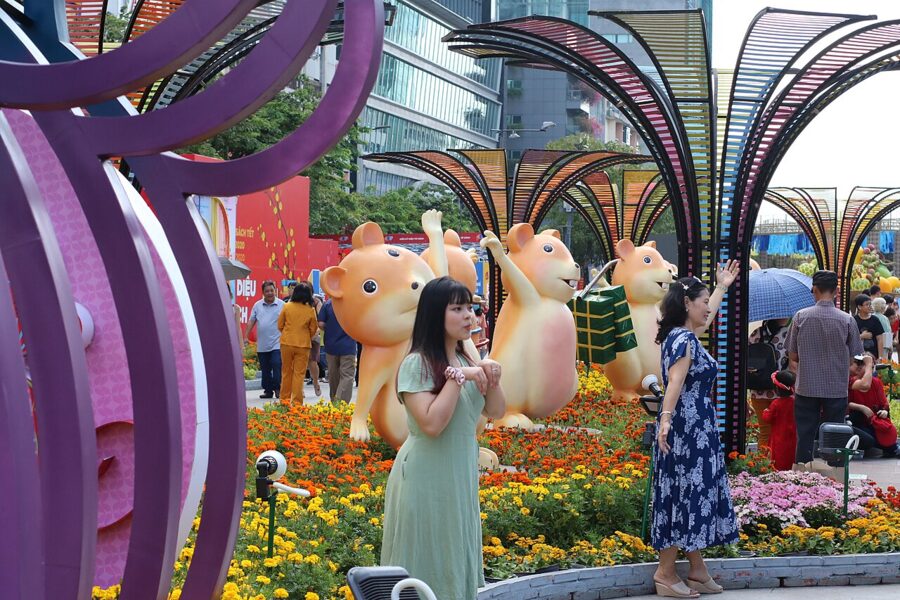
The south has two seasons. December to April is dry and hot; May to November brings short, heavy afternoon rain that clears within an hour or two. Around Tết, the lunar new year, many family restaurants close for a week or more while Nguyễn Huệ fills with flowers.

Cards work in hotels, malls and most restaurants with a printed menu. Street stalls, markets and the older noodle shops want cash, so carry small notes.
In a ten-day Vietnam itinerary, Saigon usually gets two or three nights at the start or end, with a flight north. Hanoi is about two hours away by air and feels like another country: older, cooler in winter and more formal. Between them, most people stop in central Vietnam for Hoi An, a short hop from Saigon to Da Nang.
Leave the river for your last evening. Walk Nguyễn Huệ to Bạch Đằng at about five, pay 15,000 dong for the waterbus upriver, and watch the half-hour city of the morning disappear behind the towers it is turning into.