
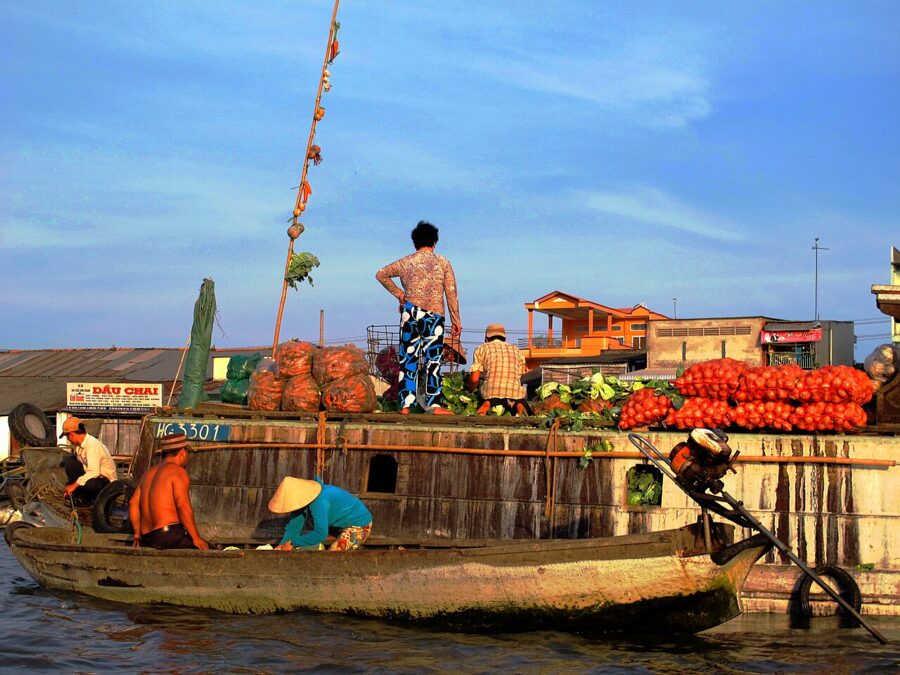
Every wholesale boat at Cai Rang ties a sample of its cargo to a tall pole: a pumpkin, a bunch of spring onions, a string of sweet potatoes swinging above the river so a buyer can read the market from a hundred metres away. The poles go up before five in the morning. By the time a day trip from Saigon could reach it, the trading is over.
That is the Mekong Delta (Đồng bằng sông Cửu Long) in one picture. The river trade that made it famous is shrinking as roads and bridges take over, the floating markets are smaller each year, and the places worth your time reward the traveller who stays the night and gets up early. A coach day from Ho Chi Minh City shows you the near edge; Can Tho, Chau Doc and the forests on the Cambodian border need two to five days.
I would give the delta at least one night, and I would make it Can Tho. If you have three or four days, carry on west to Chau Doc and the Tra Su forest, and cross into Cambodia by boat if that is where you are heading. What follows is how to do all of it on your own, what has changed since the provinces were merged in 2025, and when a guide is worth paying for.

Contents
- The delta after the 2025 mergers
- A day trip or a night: what each shows you
- Can Tho, the delta's capital
- The other floating markets
- Ben Tre and My Tho: the coconut country
- Vinh Long, Sa Dec and the homestays
- Chau Doc and Sam Mountain
- The Khmer south: Soc Trang and Tra Vinh
- Getting there from Ho Chi Minh City
- Getting around: boats, bikes and buses
- Season and floods
- What to eat
- With a guide, or on your own?
- Routes: two, three and five days
The delta after the 2025 mergers
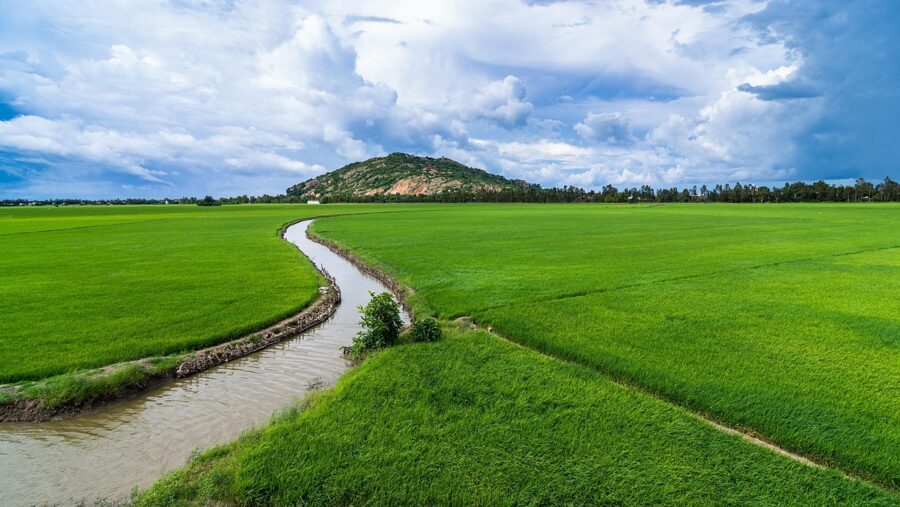
The Mekong enters Vietnam from Cambodia as two rivers, the Tiền and the Hậu (the Bassac), and splits again on its way to the sea. The name Cửu Long, Nine Dragons, comes from the mouths it once had. Between and around them lies a flat, wet plain of rice, orchards, shrimp ponds and canals, home to some 17 million people.
On 1 July 2025 Vietnam cut its provinces and cities from 63 to 34, and the delta was redrawn more than anywhere else. Its thirteen provinces and cities became six. Districts were abolished at the same time, so towns such as Cai Rang, Ben Tre and Chau Doc are now wards of larger units. The towns themselves did not move, but addresses, bus signs and tour leaflets are still catching up.
| New unit (since 1 July 2025) | Formed from | Places in this guide |
|---|---|---|
| Can Tho city (Cần Thơ) | Can Tho, Hau Giang, Soc Trang | Cai Rang, Ninh Kieu, Phong Dien, Soc Trang’s Khmer pagodas |
| Vinh Long province (Vĩnh Long) | Vinh Long, Ben Tre, Tra Vinh | Ben Tre and the coconut islets, An Binh, Tra Vinh |
| Dong Thap province (Đồng Tháp) | Tien Giang, Dong Thap; seat at My Tho | My Tho, Cai Be, Sa Dec, Tram Chim |
| An Giang province (An Giang) | An Giang, Kien Giang; seat at Rach Gia | Chau Doc, Sam Mountain, Tra Su, Long Xuyen, Phu Quoc |
| Ca Mau province (Cà Mau) | Ca Mau, Bac Lieu | The far south and Cape Ca Mau |
| Tay Ninh province (Tây Ninh) | Long An, Tay Ninh | The old Long An, the first delta country south of Saigon |
Two of these trip people up. Dong Thap now includes My Tho, the old capital of Tien Giang and the classic day-trip town, and the new province is run from there. An Giang now stretches to the Gulf of Thailand and takes in Phu Quoc, with its capital at Rach Gia, the port for the island ferries.
A day trip or a night: what each shows you
The standard day trip leaves Saigon at about eight, drives 90 minutes to two hours to My Tho or Ben Tre, puts you on a motorboat across the Tien River, feeds you coconut candy and honey tea on an island, and paddles you down a palm-shaded canal in a rowing boat. Lunch, a few songs of southern folk music, and back on the road. It is pleasant, gentle and very well worn, and it shows you nothing of the floating markets, because they are over by the time you arrive.
One night changes the trip. Sleep in Can Tho and you are on the water at Cai Rang before the market peaks, back for breakfast, and free to spend the rest of the day in orchards or on the bus west. Two nights lets you add Chau Doc, the Tra Su forest and the Khmer and Cham villages along the Cambodian border, which most visitors never see.
Is the delta worth it at all? Yes, if you want to see how most of southern Vietnam actually lives and eats, and you accept that it is a working farm the size of a small country rather than a set of sights. No, if you only have a day and expected the floating-market photographs: give that day to Saigon instead, or follow the ten-day itinerary, which keeps the delta for a night in Can Tho.
Can Tho, the delta’s capital
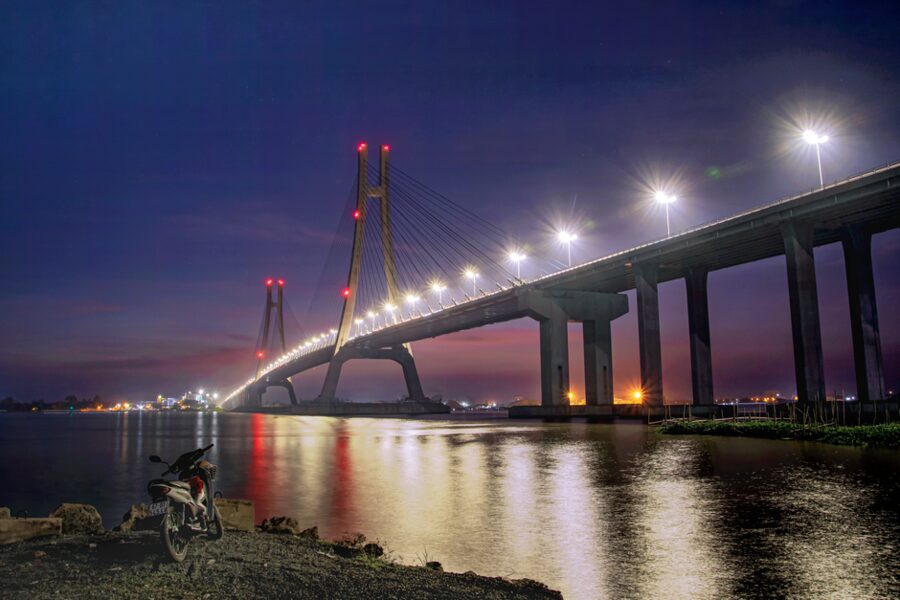
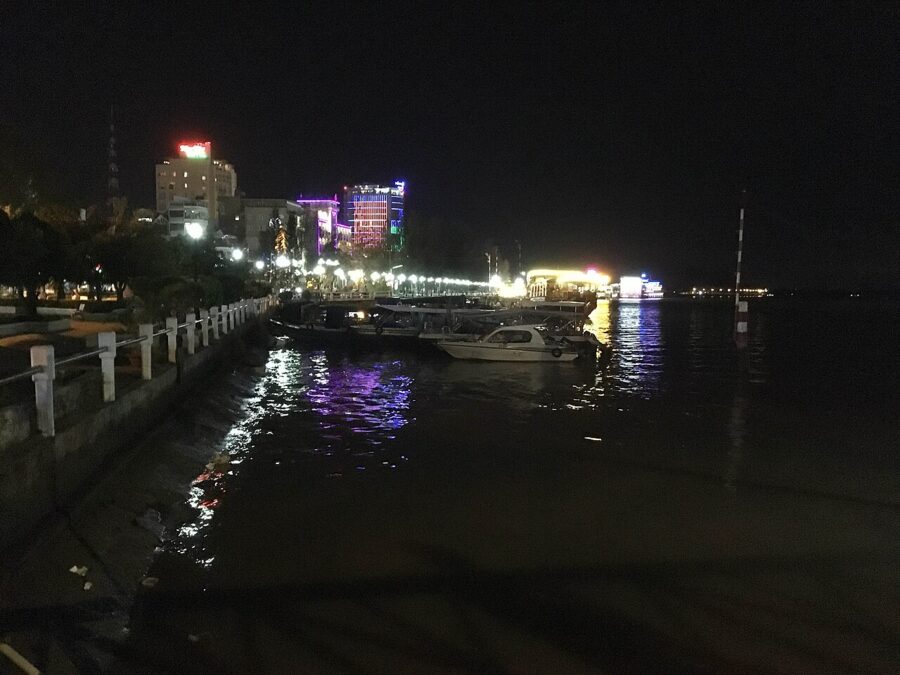
Can Tho is a real city, not a village with a market, and since the 2025 merger it governs a unit of 4.2 million people. It has a riverfront promenade, a university, a busy airport and plenty of hotels at every price. None of that is why you come; it is why staying the night is easy.

Cai Rang floating market at dawn
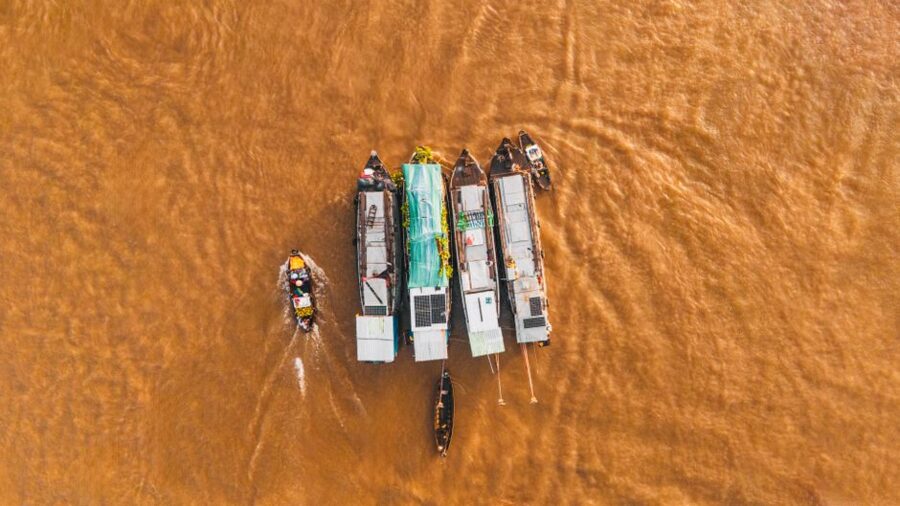
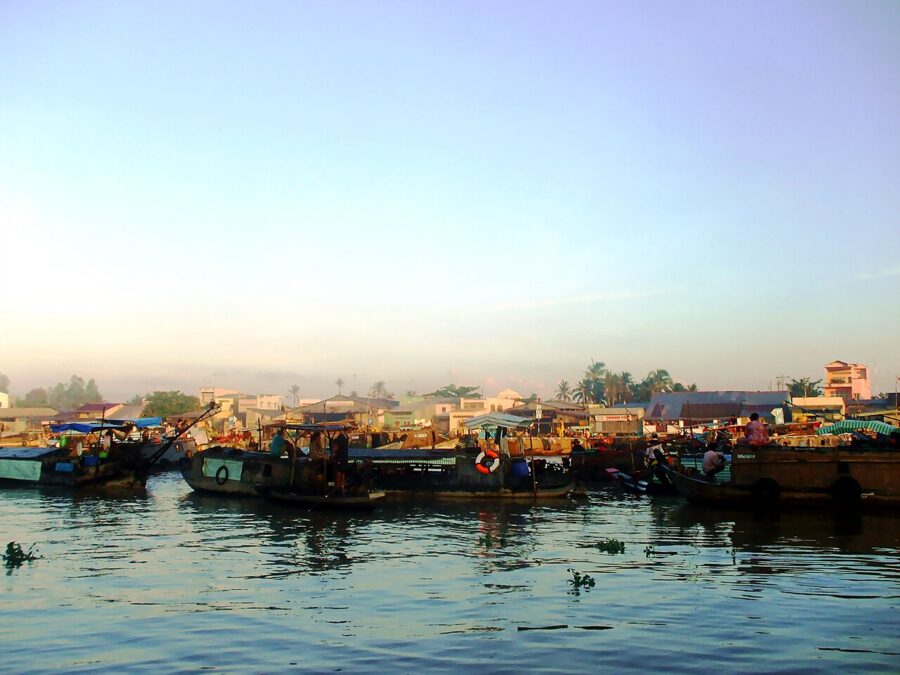
Cai Rang (Chợ nổi Cái Răng) gathers on the Can Tho River near the Cai Rang bridge, about half an hour by boat downstream from Ninh Kieu. It is a wholesale market: big boats from the orchards and farms upstream sell by the load to traders and shopkeepers, who come out in smaller boats and ferry the goods ashore. It was listed as national intangible cultural heritage in 2016.
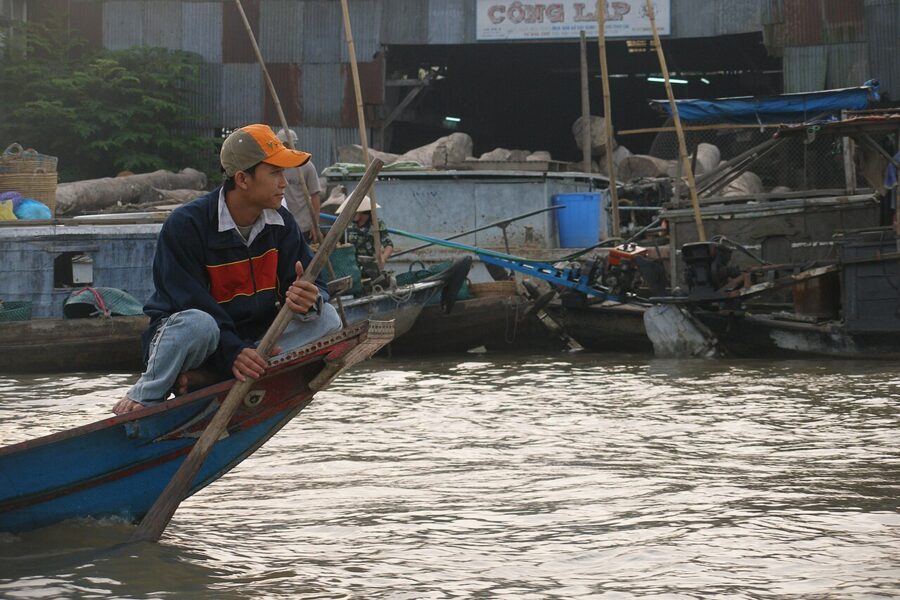

Go at dawn or not at all. Leave Ninh Kieu around 5:00 to 5:30 and you arrive while the poles are still busy; by eight most of the real trade is done. In September 2026 a visitor’s complaint that the market “had not woken up” went round the Vietnamese press, and readers who wrote in described more tourist boats than trading ones. The city’s tourism department summoned the boat operator involved, ordered it to put things right, and announced plans for a weekly folk-music performance on the water from five to seven in the morning.
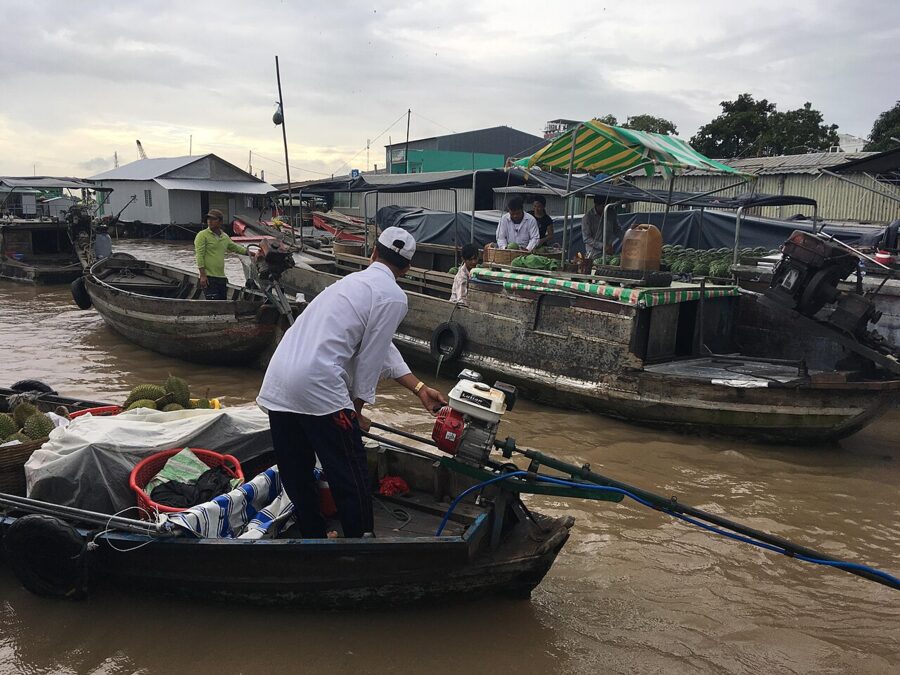

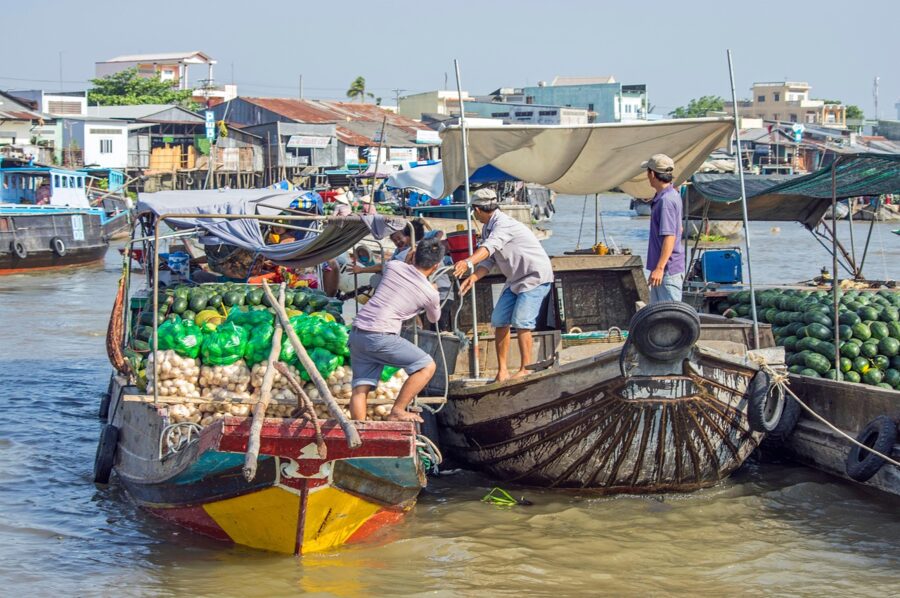
What you will see is still worth the early alarm: piles of watermelons and pineapples, pumpkins being thrown hand to hand between hulls, women selling noodle soup and iced coffee from rowing boats that tie up alongside yours. What you will not see is the packed river of twenty years ago. Expect a thin scatter of big boats on a normal morning, and noticeably more in the weeks before Tet.
Hiring a boat, and what a fair price looks like
You do not need a tour. Boat owners wait along Ninh Kieu wharf and the riverside lanes in the evening, and hotels will call one for you. A small private boat for two to three hours, the market and a canal or two, is commonly quoted at 500,000 to 700,000 dong (about $19 to $27) as of 2026; a bigger covered boat costs more. A seat on a shared boat is around 100,000 to 150,000 dong (about $4 to $6).
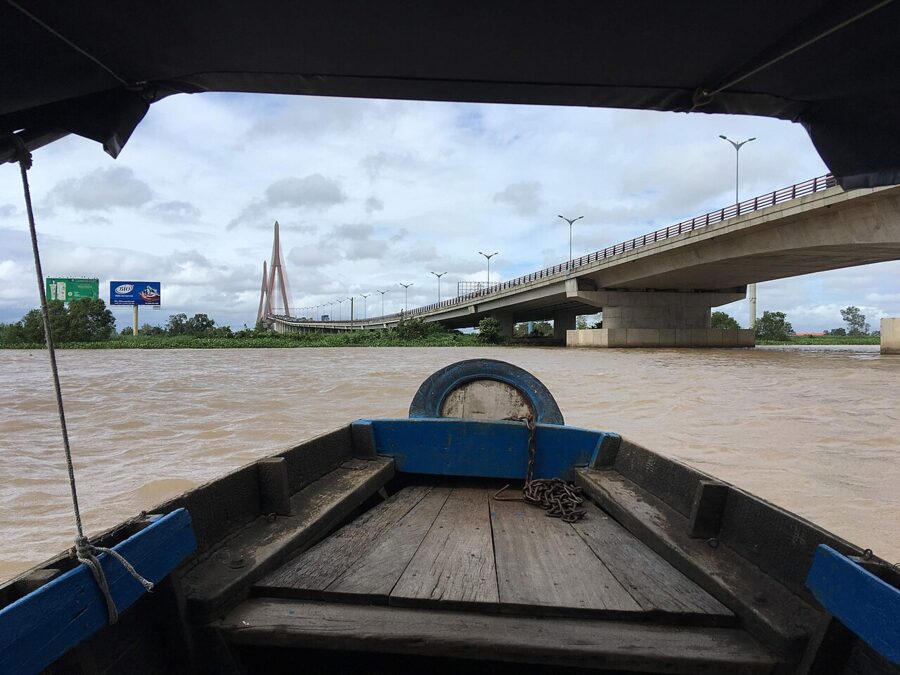

Agree three things before you step aboard: the price for the boat (not per person), the time you will be back, and the stops. Many boats add a noodle factory and an orchard, which are fine; some add a souvenir shop or a breakfast boat where you are expected to spend, which is what the September complaints were about. Say no to any stop you do not want, and pay at the end.
Ninh Kieu and the old town
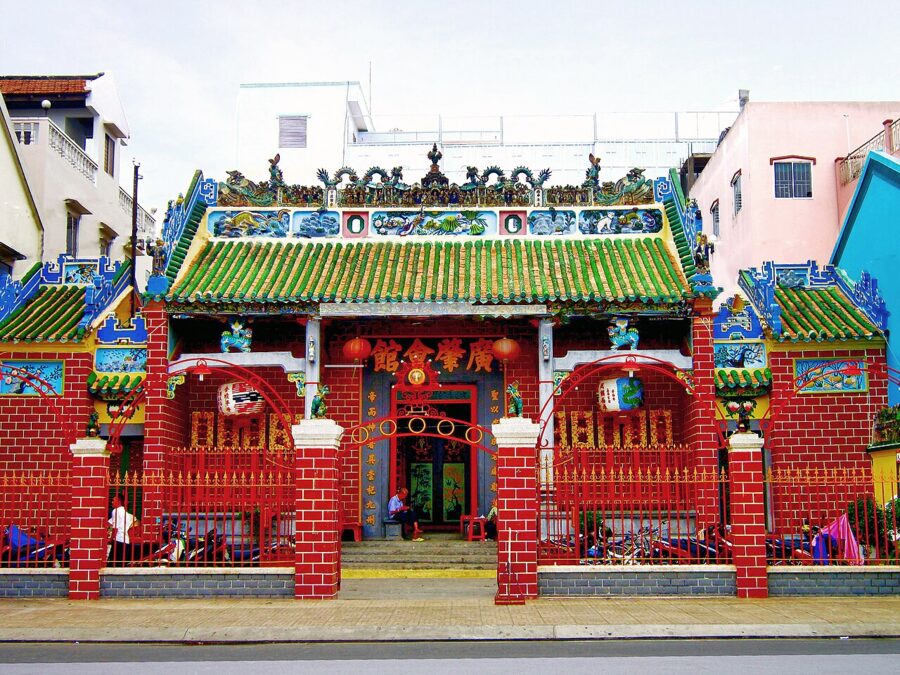
The riverfront between Ninh Kieu park and the old covered market (Chợ cổ Cần Thơ) is the part of town worth walking. Hai Ba Trung street runs along it, with cafés facing the water and, at number 32, the Ong Pagoda (Chùa Ông), built by the Cantonese community as their assembly hall and still used for worship.

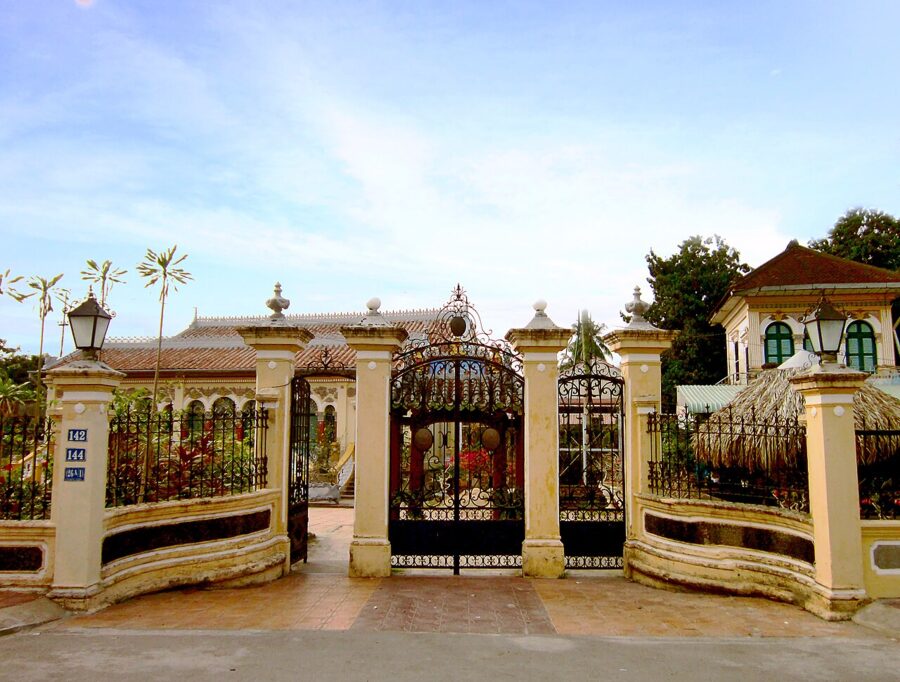
West of the centre in Binh Thuy, the Duong family house (Nhà cổ Bình Thủy) is the delta’s best-known merchant mansion: a French-style facade over a Vietnamese interior of carved wood and family altars. Ask your hotel whether it is open the day you plan to go.

Orchards, islets and the slower side of Can Tho
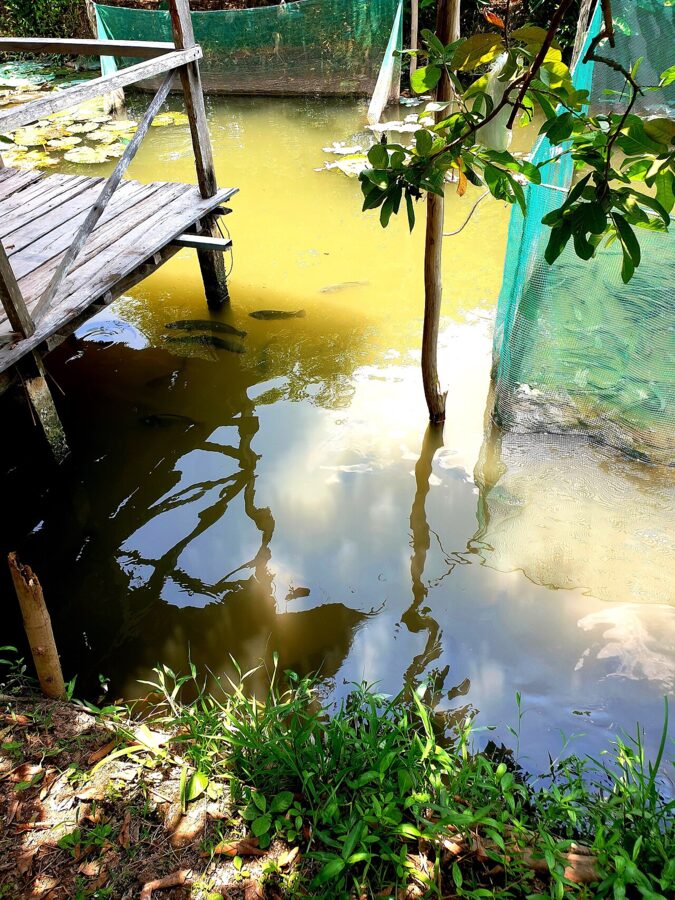
Upstream, the old Phong Dien district is orchard country laced with canals, and the best afternoon in Can Tho is a bicycle or a hired motorbike along its lanes, with a stop at any garden selling fruit. In the Hau River just off the city, Con Son islet (Cồn Sơn) runs small community tourism: a ferry across, a walk round the fish pens and fruit trees, lunch with a family.
The other floating markets
Cai Rang is the one still worth building a trip round, but not the only name on the map. Most of the others have faded faster, and what you read about them online is often years out of date.
Phong Dien, upstream of Can Tho, was once the smaller, more local alternative. By 2026 it was down to a handful of boats at best, and on some mornings it does not gather at all, so do not make it the reason for a morning. Ask your boatman the night before, and only go if he says it ran that week.
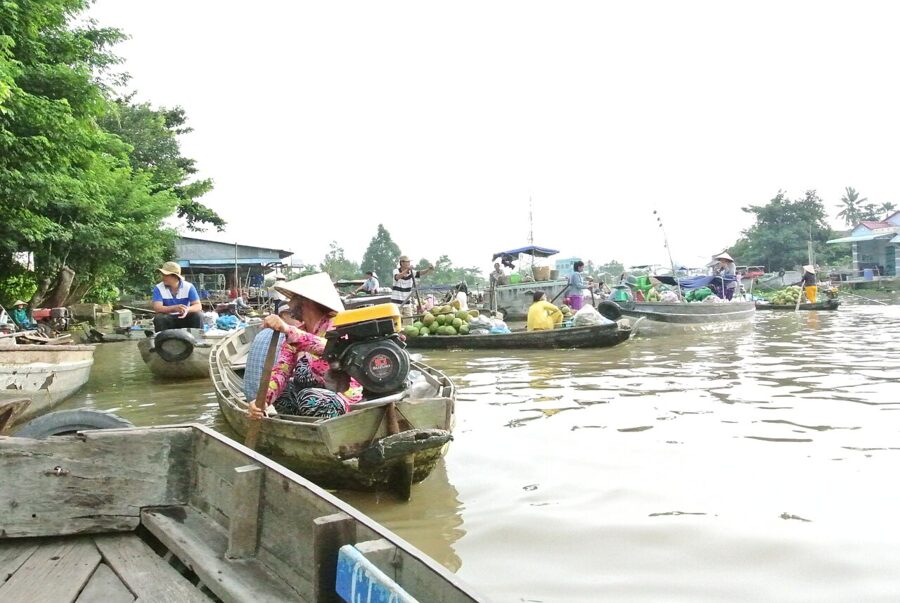

Long Xuyen, on the Hau River in An Giang, is still a working market and gets few visitors; it suits anyone travelling between Can Tho and Chau Doc who can be on the water early. Cai Be, on the Tien River in what is now Dong Thap, was the floating market of the Saigon day tours for decades. The real trade there has all but gone, and the market now appears mainly as a staged re-enactment at local festivals.


Ben Tre and My Tho: the coconut country
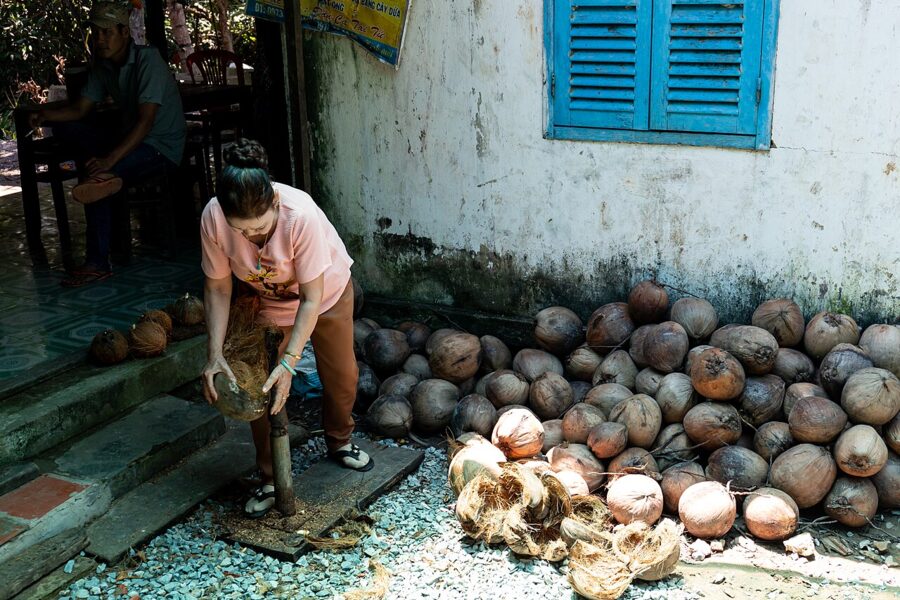
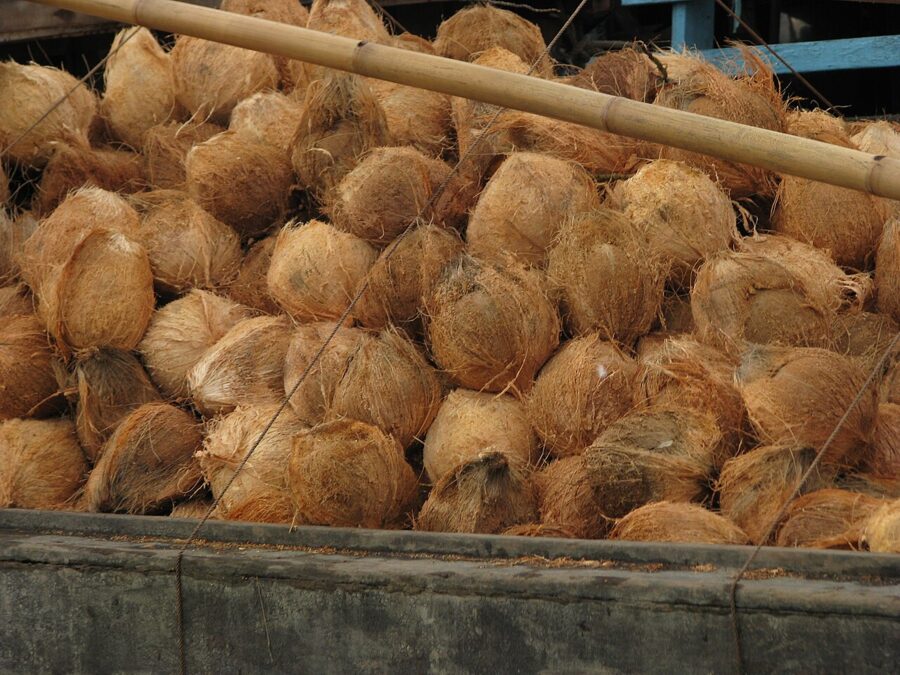
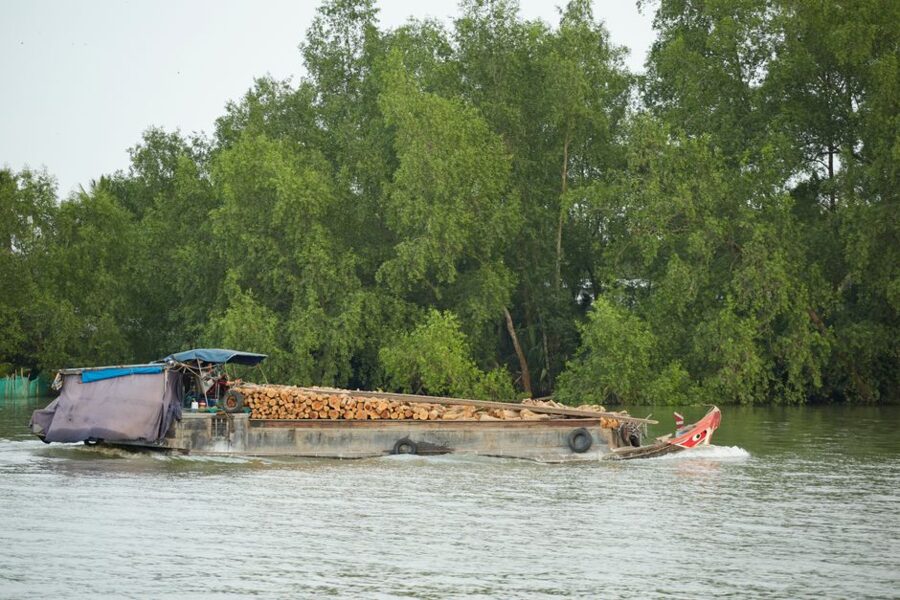
Ben Tre (Bến Tre) is the nearest real delta to Saigon, about two hours and 94 kilometres by road, and the place the day tours mean when they say “the Mekong”. The old town, whose centre is now An Hoi ward of Vinh Long province, sits on the Ben Tre River; the islets in the Tien River between Ben Tre and My Tho (Mỹ Tho) are where the coconut workshops, honey farms and rowing-boat canals are.
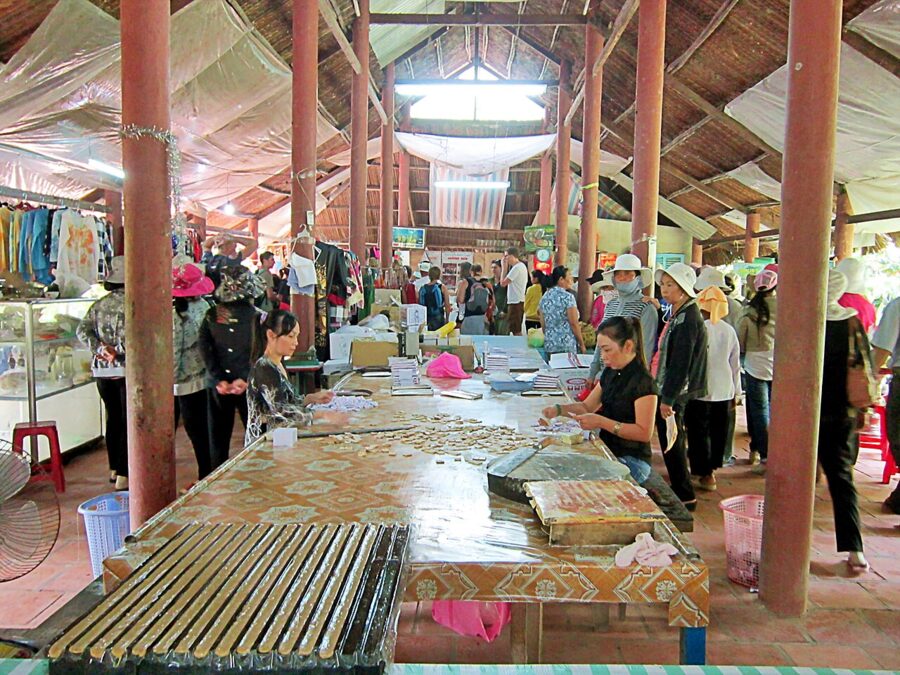

On your own, take a bus from Mien Tay bus station to Ben Tre; Phuong Trang lists the trip at 170,000 dong (about $6.50) as of November 2026. From the town, motorbike taxis and ride-hailing cars run to the islets and the ferry landings. Con Phung (Phoenix islet) is the best known, once the base of the “Coconut Monk”, a local religious leader whose old prayer ground is still on the islet; Thoi Son (Unicorn islet), across the river from My Tho, is the day tours’ usual stop.
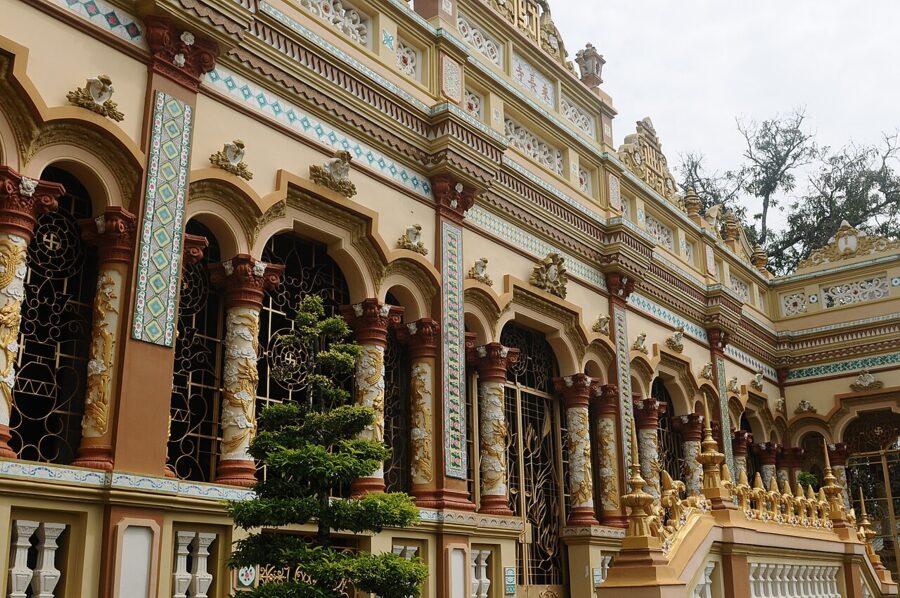
My Tho itself is a river town with one sight I would make a detour for. Vinh Trang Pagoda (Chùa Vĩnh Tràng), on the eastern edge of town, mixes Vietnamese, Chinese, Khmer and French styles in its facade, with large modern Buddha statues in the garden. Combined with Ben Tre, it makes the best version of a day trip from Saigon if a day is all you have.

Vinh Long, Sa Dec and the homestays
Between My Tho and Can Tho, the Tien River is full of large islands, and the best known for staying overnight is An Binh (Cù lao An Bình), a short ferry ride from Vinh Long town. Its lanes run between orchards and canals, and a number of families take guests in garden houses, with dinner cooked for you and bicycles to borrow. It is the quietest night you can have in the delta within four hours of Saigon.
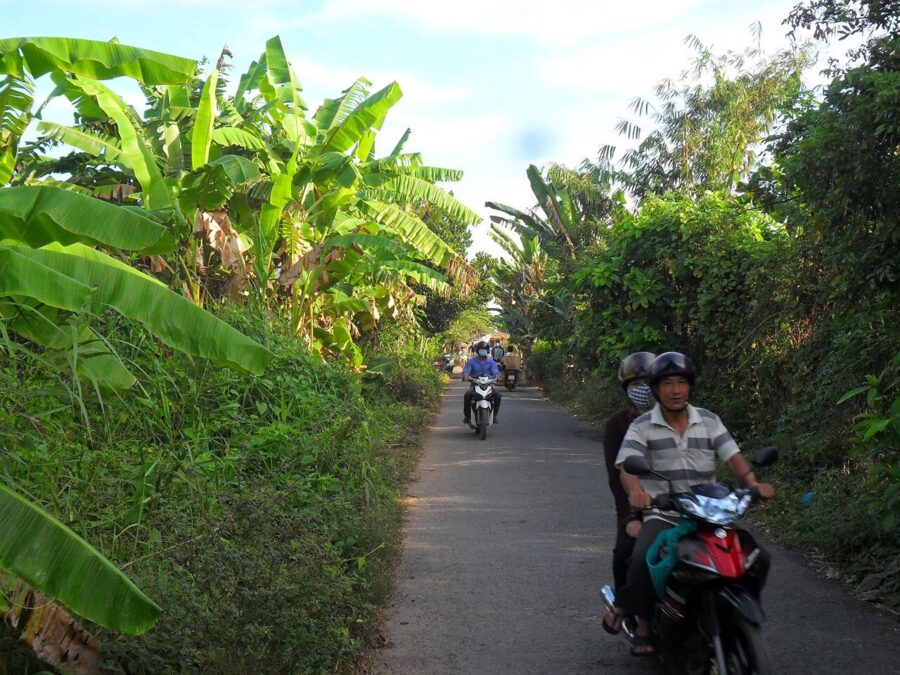

Book homestays as you would a hotel, and check recent reviews for mosquito nets, air conditioning and whether dinner is included. Expect a simple room, a family dinner and loud rain on a tin roof. Take repellent and long sleeves for the evening.
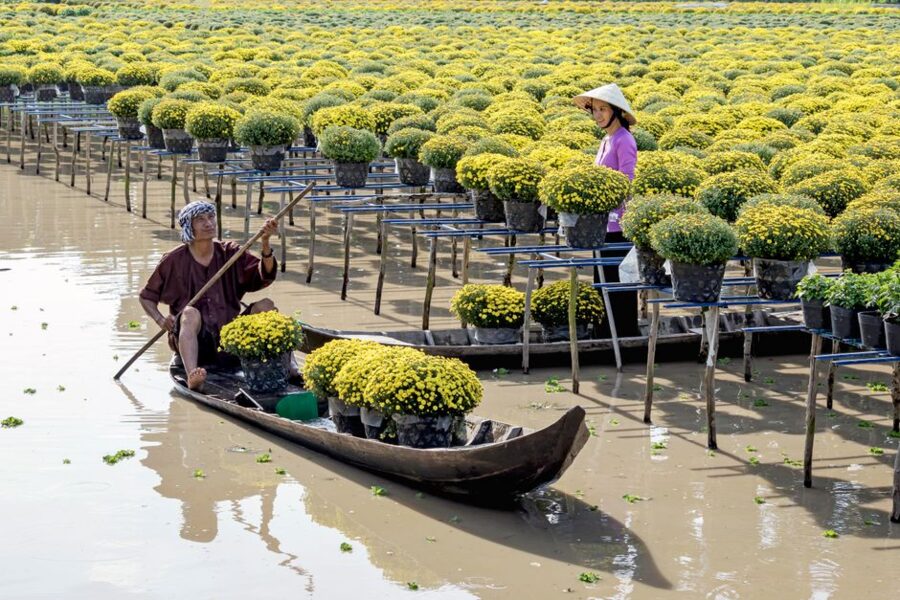
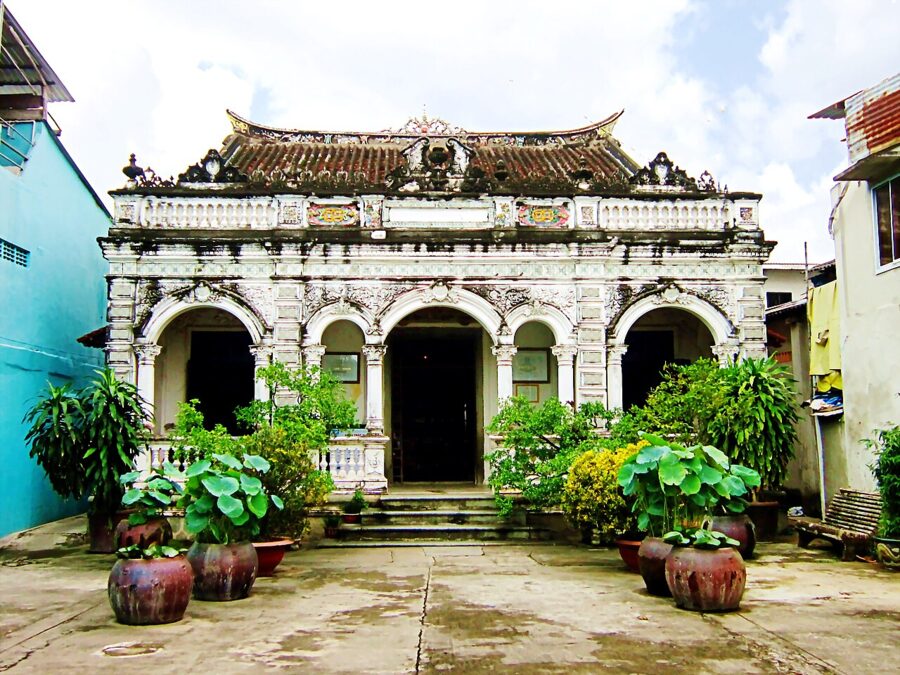
North-west across the river, Sa Dec (Sa Đéc), now in Dong Thap, has two reasons to stop. Its flower village grows potted plants on raised racks over flooded fields, busiest in the weeks before Tet. And on the riverside stands the house of Huynh Thuy Le, the Chinese merchant’s son who became the lover in Marguerite Duras’s novel The Lover.

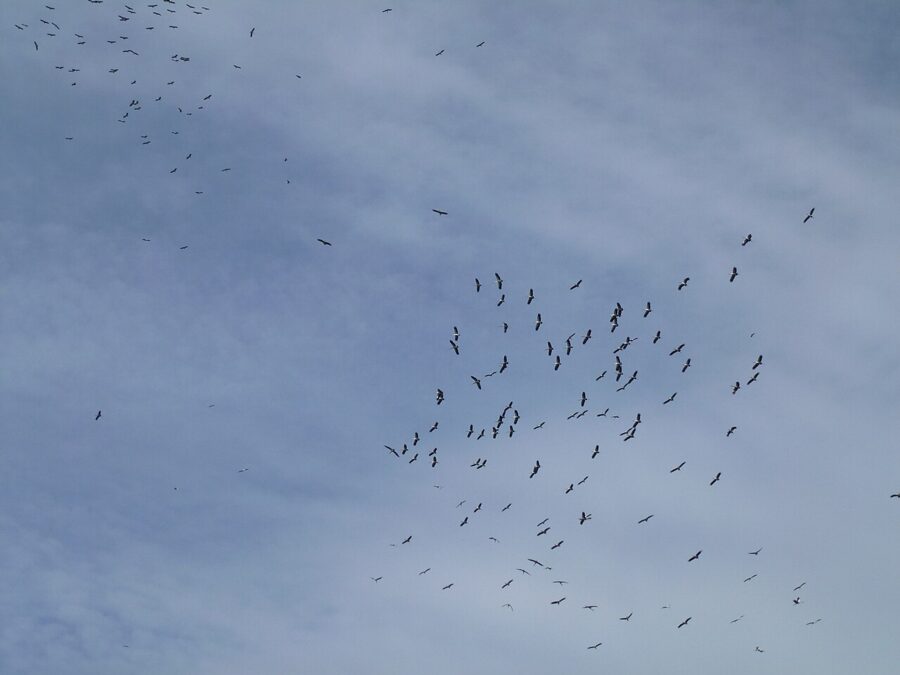
Further up, near the Cambodian border, Tram Chim National Park protects a remnant of the Plain of Reeds, the seasonal wetland that once covered much of this corner of the delta. It became a Ramsar wetland of international importance in 2012. Storks, herons and cormorants are what you will see from the boats; the sarus cranes it was famous for are now rare.

Chau Doc and Sam Mountain
Chau Doc (Châu Đốc) sits on the Hau River a few kilometres from Cambodia, and it feels like a border town: Khmer pagodas, Cham mosques and Vietnamese temples within a few kilometres of each other, and boats leaving for Phnom Penh. It is around 250 kilometres from Saigon, so break the journey at Can Tho; from there it is a bus ride of about three hours.
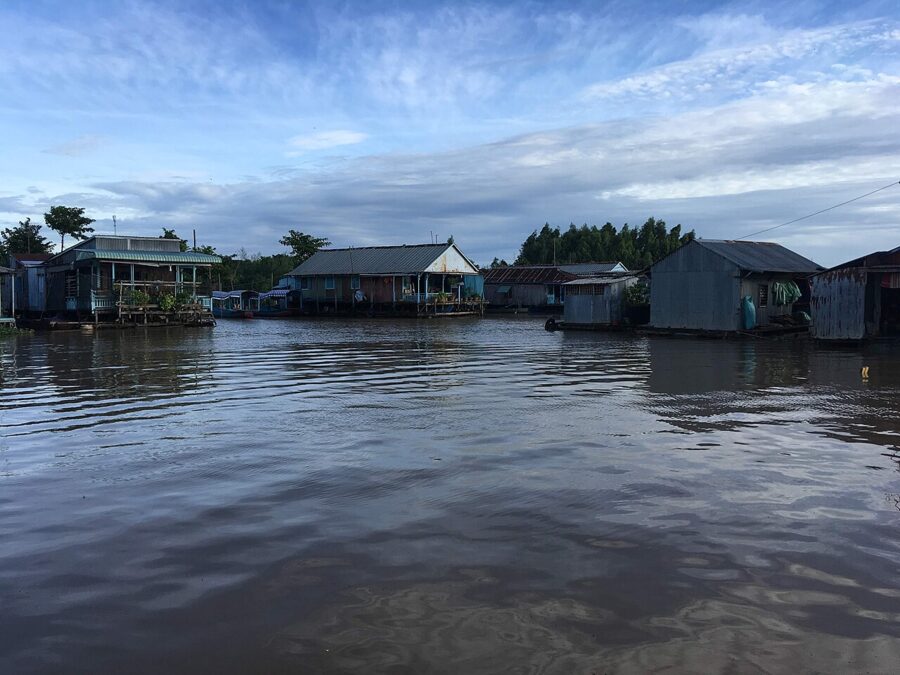

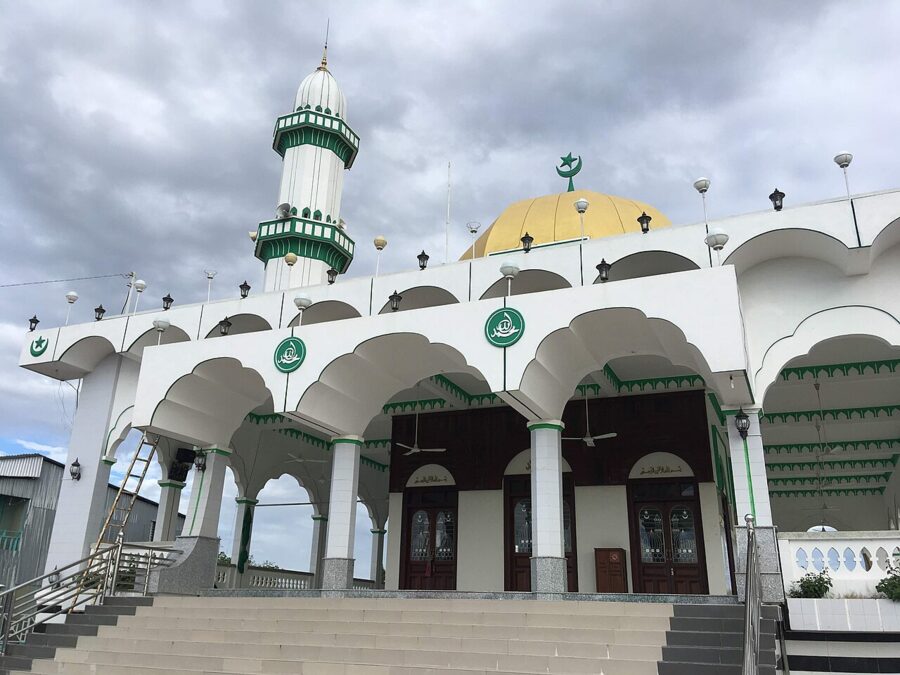
The riverfront is the town’s centre, with the market behind it. Across the river, the Cham villages of Chau Phong have mosques you can visit outside prayer times, if you dress for it (long trousers, shoulders covered, and a scarf for women). A local boat or a hotel-booked tour of the floating village and the Cham side takes a morning.

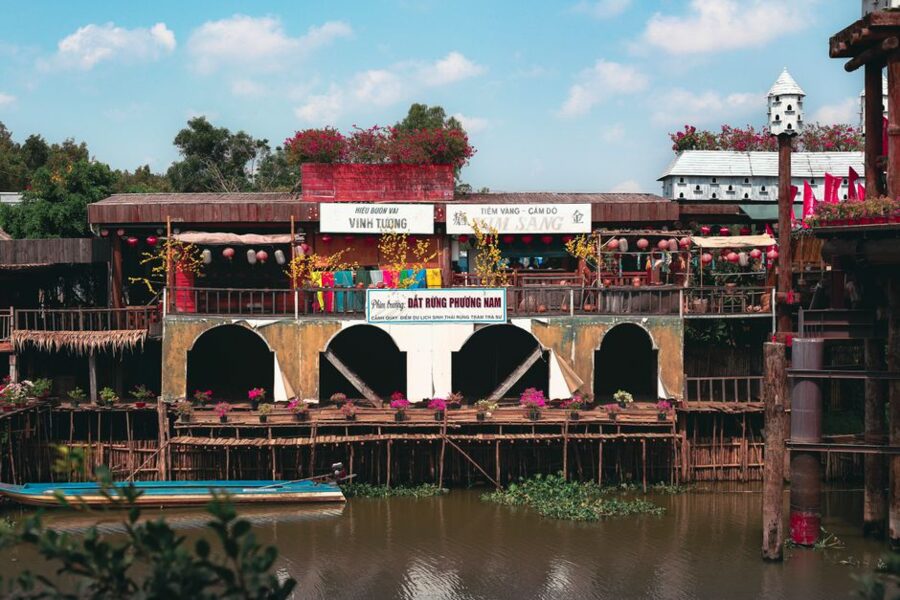
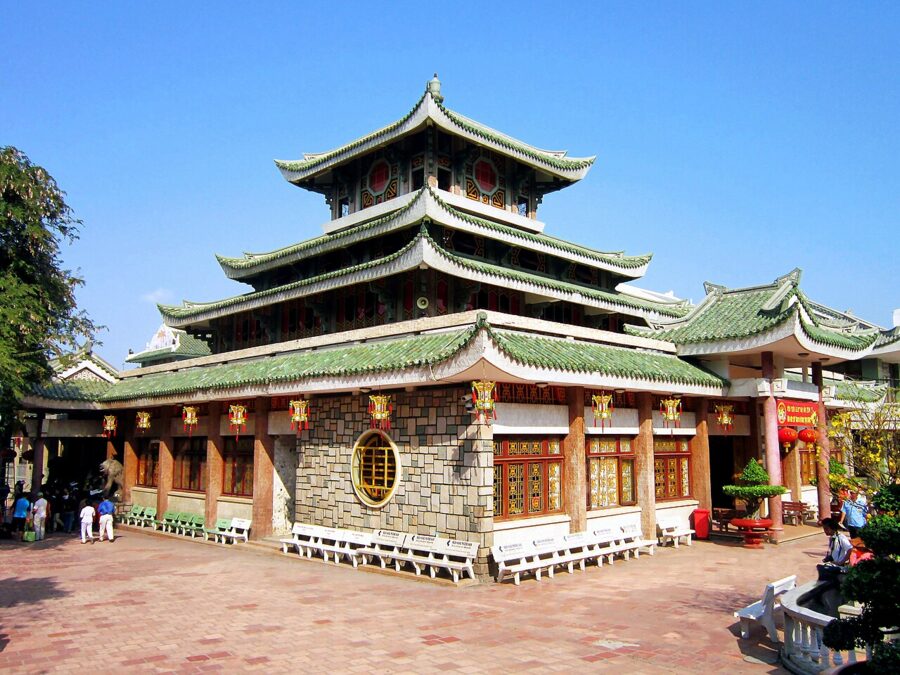
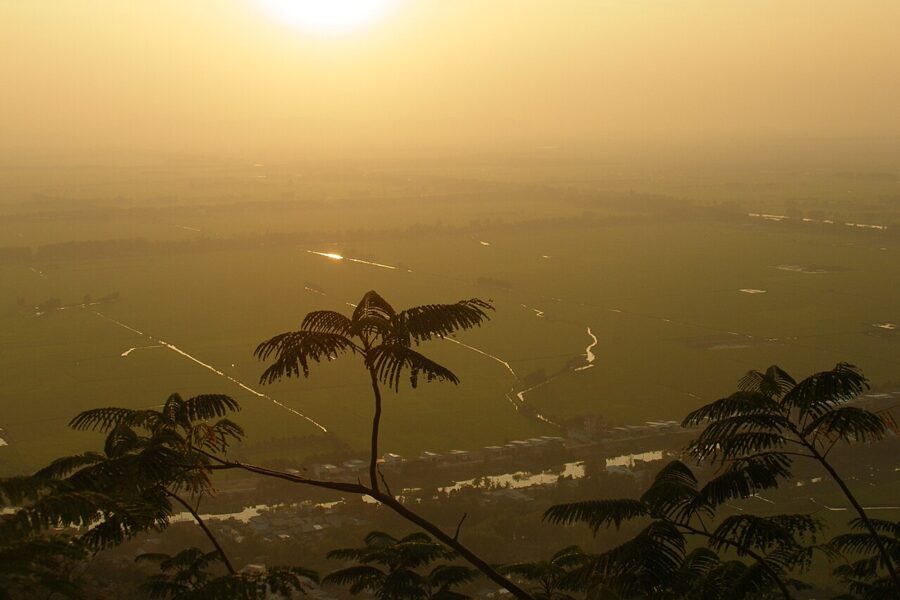
Sam Mountain (Núi Sam), five kilometres south-west of town, is the only real hill near Chau Doc and the delta’s busiest pilgrimage site. At its foot is the shrine of Ba Chua Xu, the Lady of the Realm, whose festival in the fourth lunar month (usually May or June) draws huge crowds and was inscribed by UNESCO as intangible cultural heritage in December 2024. Climb the hill, or take the cable car, for sunset over the flooded fields and the Cambodian plain.


Tra Su cajuput forest
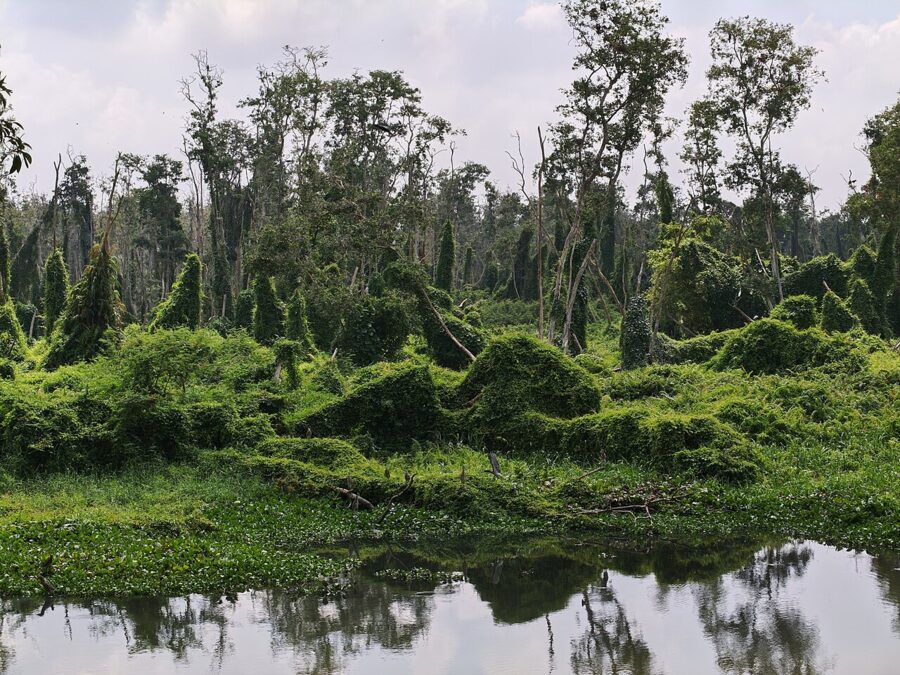
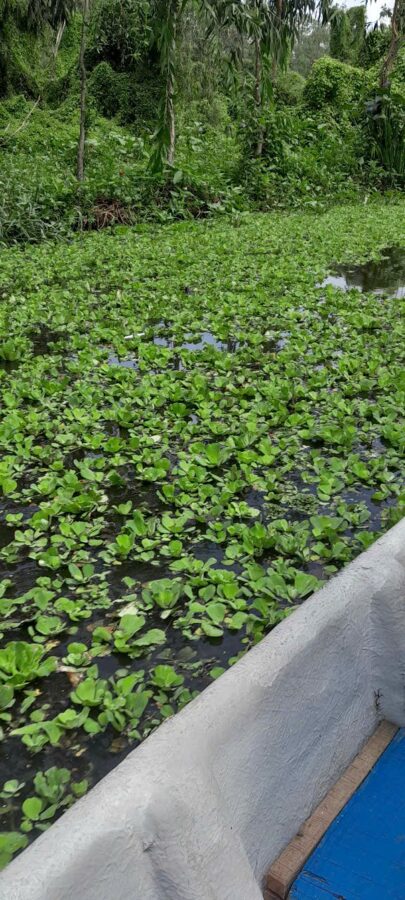
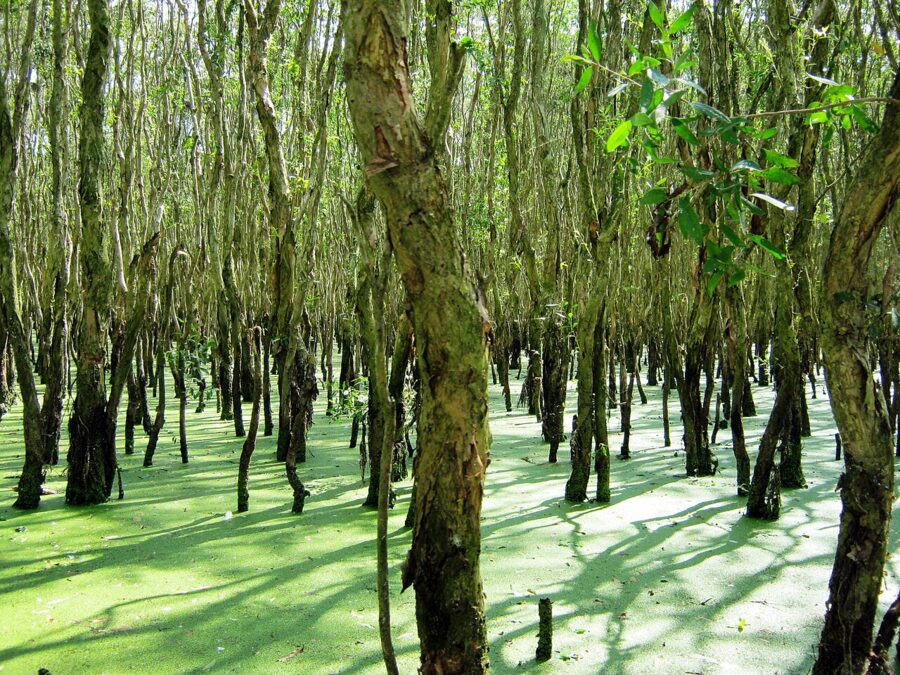
Tra Su (Rừng tràm Trà Sư), about 30 kilometres from Chau Doc in An Cu commune, is a flooded forest of cajuput trees covering more than a thousand hectares, with canals carpeted in duckweed and water lettuce so thick it looks like lawn. Herons, storks and cormorants roost here, and the boats push through the green in near silence.

As of May 2026 the entry ticket is 120,000 dong (about $4.50) for adults, and the motorboat into the forest costs 80,000 dong (about $3) per person; a rowing boat for the narrower canals is extra. Children under 1.3 metres go in free. Go early in the morning or in the late afternoon, when the birds come back to roost, and bring repellent.
.jpg)

By boat from Chau Doc to Phnom Penh
Fast boats run up the Mekong from Chau Doc to Phnom Penh, crossing the border at Vinh Xuong. Hang Chau lists a daily departure at 7:00, arriving about 13:30, at 1.64 million dong (about $63) one way for June 2026 to June 2027. It is slower than the bus but far more pleasant, and the boat stops at both border posts for immigration.
Vinh Xuong is on Vietnam’s list of e-visa gates, so check that your Vietnam e-visa names it if you are coming the other way. For the Cambodian side, check Cambodia’s own visa rules for the river crossing before you travel; the boat companies can tell you what they currently see at the border.
The Khmer south: Soc Trang and Tra Vinh
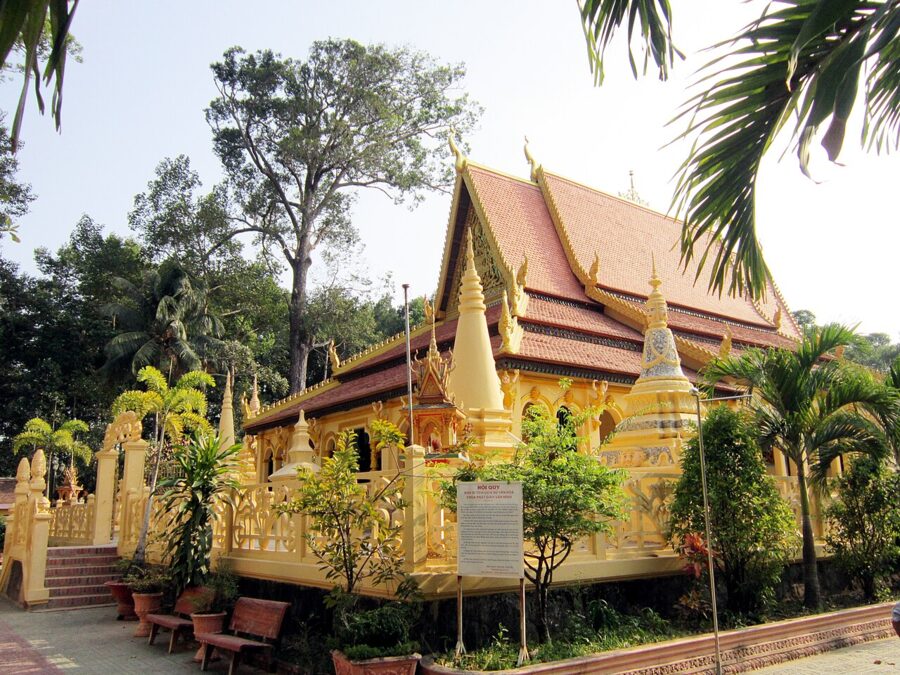
More than a million Khmer live in the Mekong Delta, and their pagodas, with steep tiered roofs and gilded gables, are the region’s most striking buildings. The two places to see them are Soc Trang, now part of Can Tho city, and Tra Vinh, now part of Vinh Long province. Either makes a long day trip by road from Can Tho.
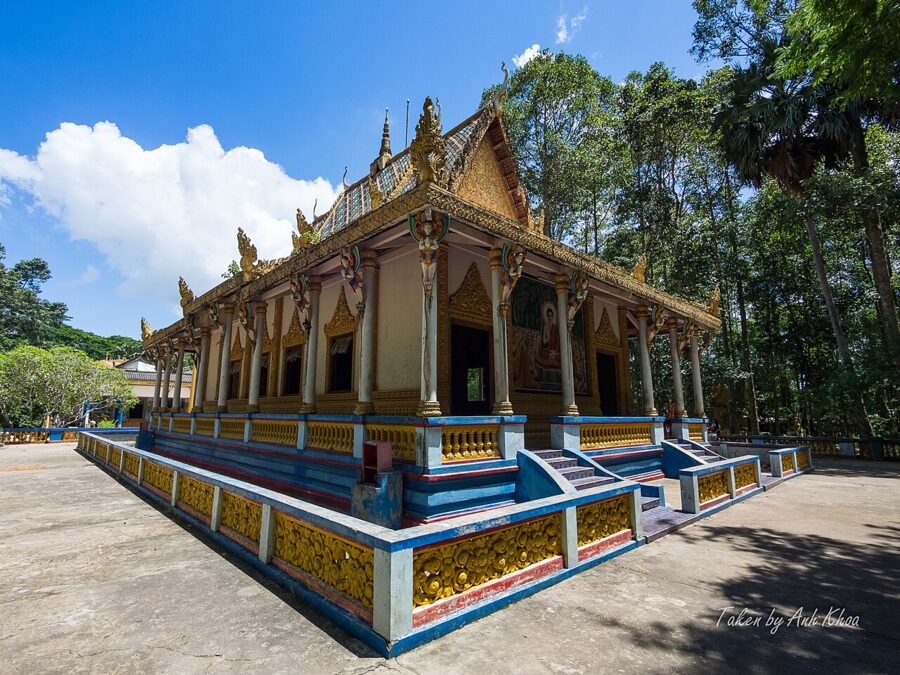

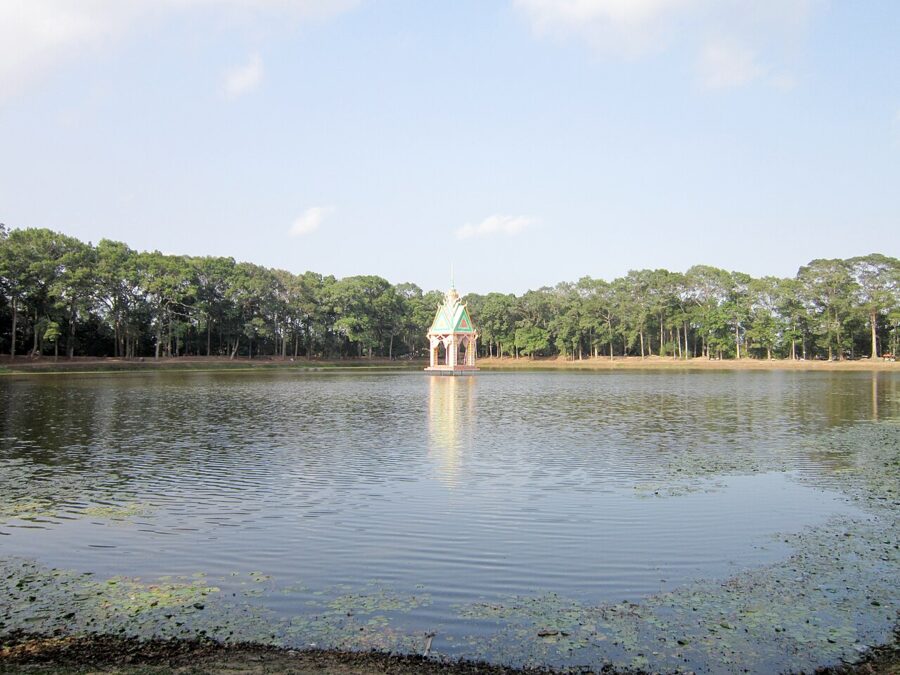
In Soc Trang, the Bat Pagoda and the Clay Pagoda (Chùa Đất Sét) are the usual pair. In Tra Vinh, Ang Pagoda stands in old trees beside Ao Ba Om, a square pond that local legend says was dug in a contest between the town’s men and women. The Khmer New Year in April and the boat races of the Ok Om Bok festival in the tenth lunar month are the times to come.


Was there fighting in the delta during the war? A great deal. The 1960 Đồng Khởi uprising against the Saigon government began in Ben Tre province, the town of Ben Tre was heavily bombed during the 1968 Tet Offensive, and the U Minh forests in the far south hid guerrilla bases for decades. The delta has its war memorials and cemeteries, but they are local places of remembrance rather than visitor attractions.
Getting there from Ho Chi Minh City
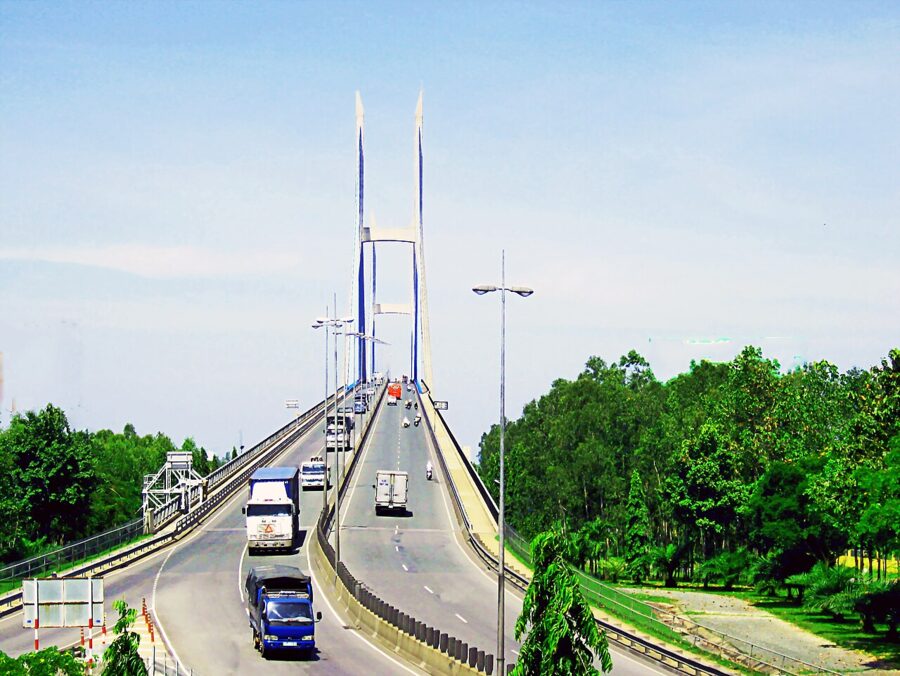
There is no railway into the delta yet; a Ho Chi Minh City to Can Tho line is planned but not expected for years. Almost everyone comes by road, on the expressway that now runs most of the way to Can Tho. Buses leave from Mien Tay bus station (Bến xe Miền Tây) on Kinh Duong Vuong street, on the western side of the city.
| From Ho Chi Minh City to | Distance | By bus | Fare (Phuong Trang, Nov 2026) |
|---|---|---|---|
| My Tho | About 70 km | 1.5 to 2 hours | Not listed; check at the station |
| Ben Tre | 94 km | About 2 to 2.5 hours | 170,000 dong (about $6.50) |
| Can Tho | About 190 km | 3.5 to 4 hours | 200,000 dong (about $8) |
| Chau Doc | About 250 km | Most of a day; break at Can Tho | Varies by operator |
Phuong Trang (FUTA) is the biggest operator, with sleeper buses and limousine vans through the day; more than twenty others run the Can Tho route, at 180,000 to 500,000 dong (about $7 to $19). Book through the operator’s app or a ticket site a day ahead, two or three days around weekends. Around Tet (6 February 2027) and the late-April holidays, seats sell out and fares rise; Phuong Trang has raised fares on its Can Tho routes by as much as 40% for the 30 April holiday.
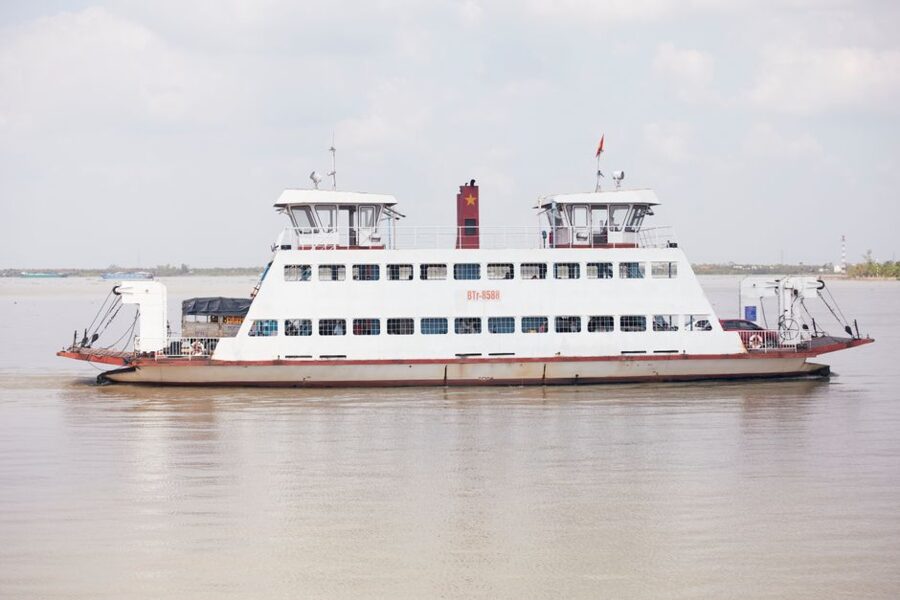
Buses to Can Tho end at the central bus station on Highway 1 in Cai Rang, a few kilometres from the riverfront. Ask when you book whether your ticket includes a transfer into the centre; otherwise ride-hailing apps work across the city. If you are coming from the north, Can Tho airport has flights from Hanoi and Da Nang on Vietnam Airlines and VietJet, and that saves the long road from Saigon entirely.
Boats are for exploring, not for getting there: no regular passenger boat links Saigon with the delta, and the river cruises that do are multi-day packages.
Getting around: boats, bikes and buses
Between towns, buses are the answer: frequent, cheap and on the new expressways. Can Tho to Chau Doc, Can Tho to Soc Trang and Ben Tre to Can Tho are all straightforward. In Can Tho and the larger towns, ride-hailing apps work; elsewhere your hotel will call a motorbike taxi.
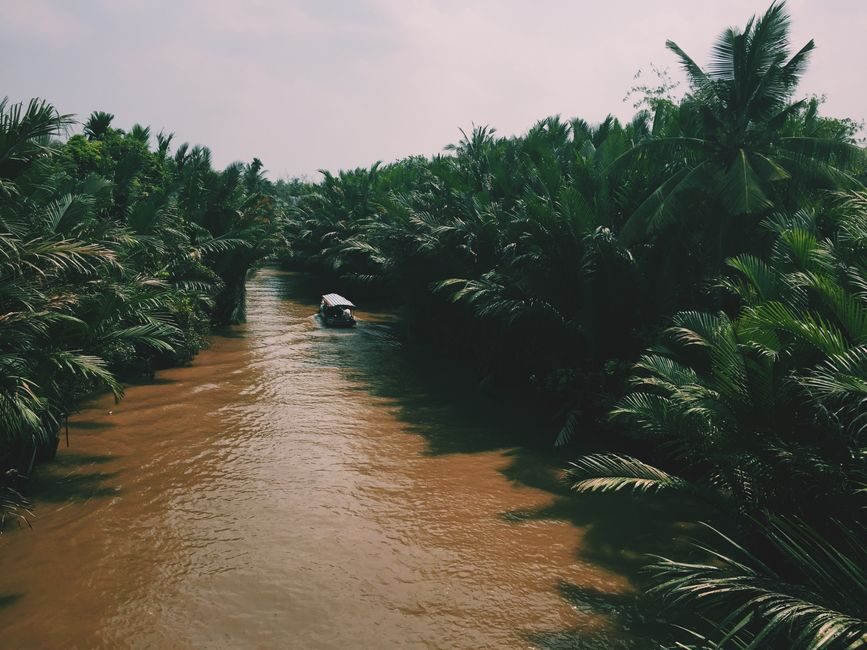
A bicycle is the best way to see the islets, and most homestays lend them. Renting a motorbike is easy in Can Tho, but the delta’s traffic on the main roads is fast and heavy with trucks, and you need a licence valid in Vietnam for your insurance to count. On the back lanes, a hired motorbike with a driver gives you the freedom without the risk.
Season and floods
The delta has two seasons. The dry months, December to April, are the most comfortable for boats and bicycles, though March and April are very hot. From May to November the rain comes as heavy afternoon storms, and the mornings are usually clear enough for Cai Rang. The best time to visit Vietnam as a whole is a compromise between three climates; for the delta alone, December to April is the safe choice.
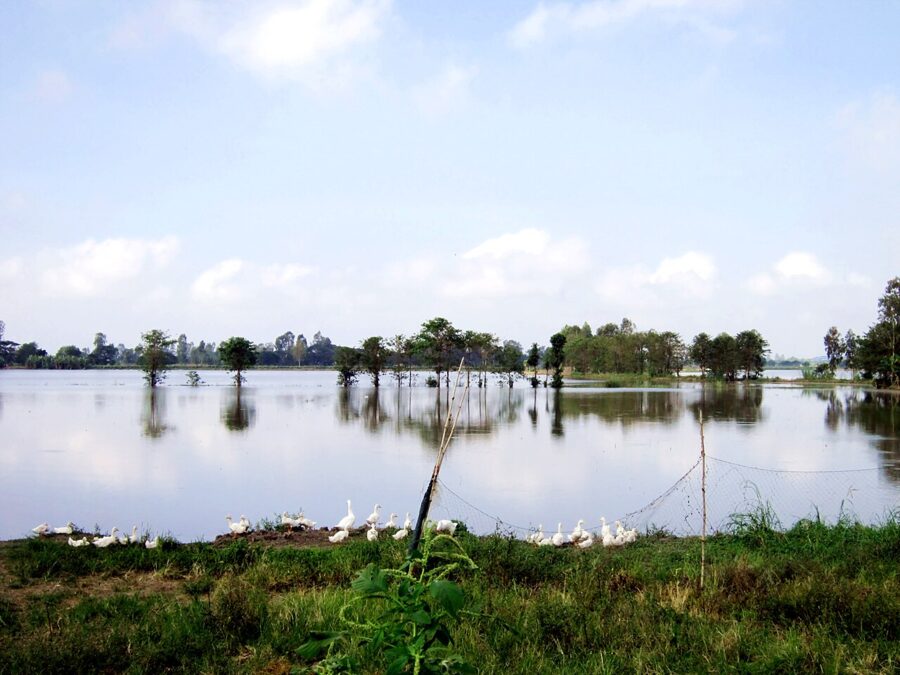

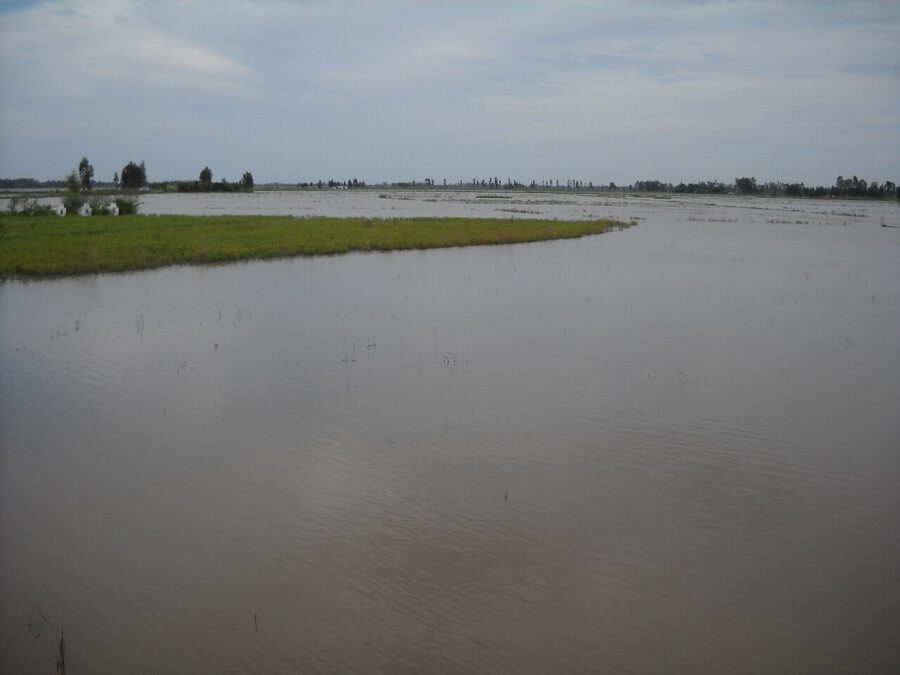
The flood season, mùa nước nổi, fills the upper delta round Chau Doc, Tra Su and Dong Thap from about August to November, peaking in October. It is a natural flood, not a disaster: fields become lakes, the forests fill, and markets sell fish and water lilies from the floodwater. Forecasters expected 2026 to be a low flood year, cresting around the first alert level at Tan Chau in the first half of October, with the year’s highest tides in early November.
Those high tides matter in Can Tho. In October and November, around the full and new moon, river water backs up into low streets for an hour or two at high tide, so ask which way your hotel’s street floods and wear sandals. For the coming dry season, forecasters expect salt water to push up the rivers earlier than usual, which hits farmers far harder than visitors.

Fruit follows its own calendar, with the main harvests from roughly May to August. Tet falls on 6 February 2027; the weeks before it are when Cai Rang and Sa Dec are busiest, and the days of the holiday itself are when buses are full and rooms cost more.
What to eat
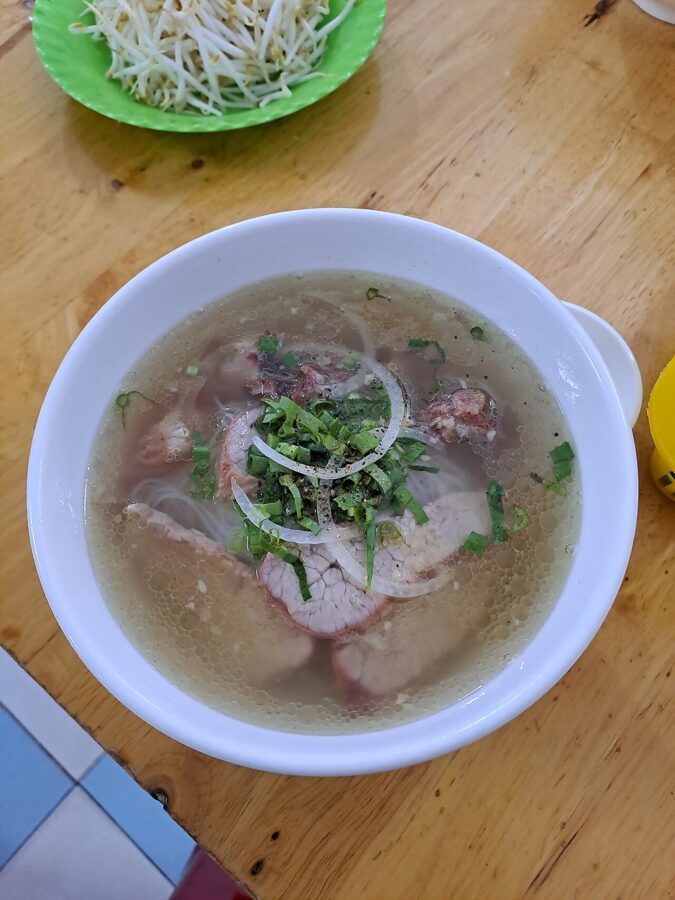
The delta feeds southern Vietnam, and it eats sweeter and more freshly than the north, with plates of herbs on every table. Start with hủ tiếu (rice-noodle soup with pork and shrimp), which you can eat from a boat at Cai Rang or at any market stall. The My Tho version, with clear, slightly sweet broth, is sold all over Saigon.
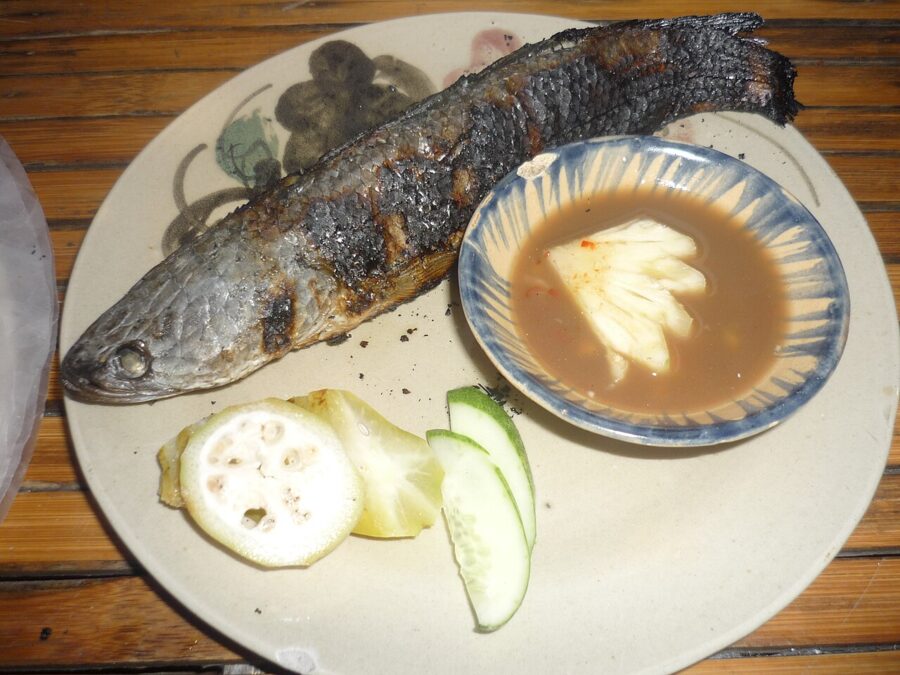
Bánh xèo (crisp rice-flour pancakes filled with shrimp, pork and bean sprouts) are made huge here, wrapped in mustard leaves and herbs and dipped in fish sauce. Cá lóc nướng trui (snakehead fish grilled in burning straw) is a farmers’ dish turned into a restaurant favourite. Lẩu mắm, a hotpot built on fermented fish, is the delta’s strongest taste and worth trying once.


With a guide, or on your own?
Everything above can be done independently, and Can Tho in particular is easier on your own than on a coach tour. A guide genuinely helps in three cases: a single day from Saigon, when you would rather not deal with buses and ferry landings; Chau Doc and the border, if you want the Cham and Khmer villages explained; and the Khmer pagodas of Soc Trang and Tra Vinh.
A fair day trip from Saigon includes hotel pick-up, all boats, lunch and an English-speaking guide, and says in writing which stops are shopping stops. A fair overnight tour puts you in a Can Tho hotel, has you on the water at Cai Rang by about 5:30, and does not route you through a souvenir shop on the way back. If a tour arrives at Cai Rang after eight, it has missed the market.
Routes: two, three and five days
- Two days: bus to Ben Tre and the islets, on to Can Tho by late afternoon; Cai Rang at dawn, orchards or Con Son, bus back to Saigon.
- Three days: as above, then Can Tho to Chau Doc on day three, Sam Mountain at sunset, and Tra Su the next morning before the boat to Phnom Penh or the long bus back.
- Five days: Ben Tre, a homestay night on An Binh, Can Tho and Cai Rang, a day trip to the Khmer pagodas of Soc Trang, then Chau Doc and Tra Su.
Whichever you choose, the rule is the one the boats at Cai Rang have always kept: be on the water before the poles come down. Book your boat at Ninh Kieu the evening you arrive, and set the alarm for half past four.