
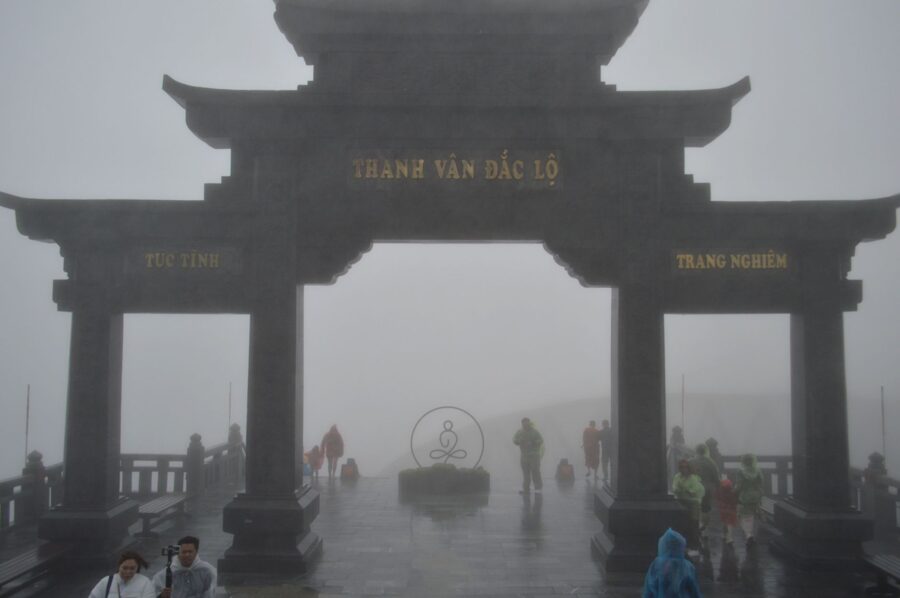
In an average January, Sapa’s afternoons top out at 12°C, Ho Chi Minh City’s at 32°C, and Hue is drying off after a December with rain on twenty days of the month. All three are normal Vietnamese weather. The country runs about 1,650 kilometres from the Chinese border to the Gulf of Thailand, and it sits under three different climates that rarely line up.
So the useful question is which part of Vietnam you want at its best. If you want the whole length in one trip, March and April are the closest thing to a safe window. If you can give most of your days to one region, nearly every month of the year is a good month somewhere.
The temperatures and rainfall below are long-term averages from Vietnam’s national climate tables. For the days before you travel, check the bulletins of the National Center for Hydro-Meteorological Forecasting on nchmf.gov.vn.
Contents
- Three climates, one long country
- The north: Hanoi, Ha Long Bay and Ninh Binh
- The centre: Hue, Hoi An and Da Nang
- Typhoon and flood season in the centre
- Nha Trang, Da Lat and the south-central coast
- The south: Ho Chi Minh City, the Mekong Delta and Phu Quoc
- Tet and the other holidays
- The best months by kind of trip
- Vietnam month by month
Three climates, one long country
The north has four seasons. A cold north-east wind gives Hanoi a cool, grey winter between November and March; May to September is hot, humid and wet, with storms off the Gulf of Tonkin. Spring and autumn are short and pleasant.
The centre runs to its own clock because of the Truong Son range. In summer the mountains block the south-west monsoon, and the coast from Hue to Da Nang stays dry and very hot, sometimes under the dry westerly locals call the Laos wind (gió Lào). From September to December the north-east wind and the storms hit those same mountains from the sea side, and that is when the centre gets most of its year’s rain.
The south is simply tropical. Ho Chi Minh City is warm every month of the year, dry from December to April and wet from May to November. The highlands around Da Lat follow the south’s rains but are about ten degrees cooler.
This dry season’s outlook
The national forecasting centre expects a very strong El Niño through the 2026–27 winter: December and January 0.5 to 1.5°C warmer than average across most of the country, and fewer days of damaging cold in the north. In the south it expects the rains to end early and salt water to push up the Mekong Delta‘s rivers sooner than usual. A hard cold snap in Sapa is still possible, but the season leans warm and dry.
The north: Hanoi, Ha Long Bay and Ninh Binh
Hanoi’s best weeks are in October and November and again in March and April. October highs average about 30°C and November’s about 27°C, and the rain falls away from 155 millimetres in October to about 60 in November. In spring the city warms from 26°C in March to 28 or 29°C in April, before May jumps to 33°C.
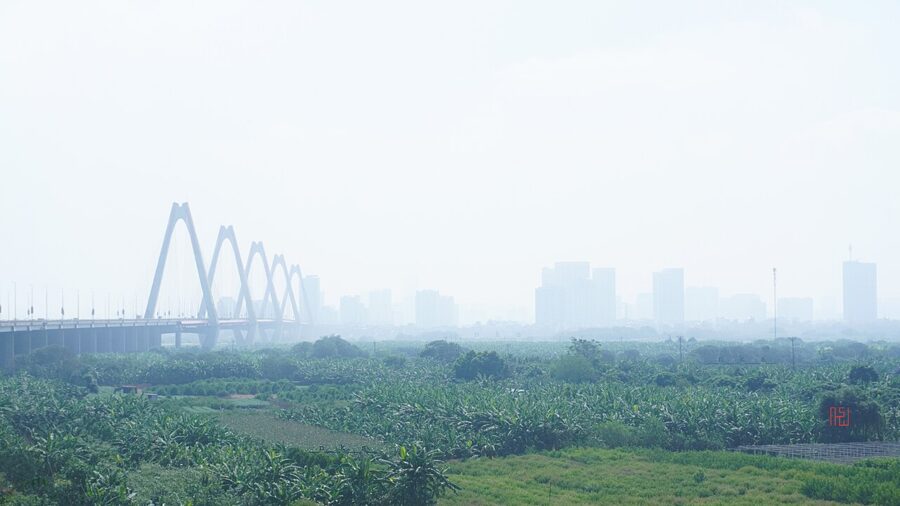
The catch in the autumn is the air. Hanoi’s environment department says pollution episodes usually start in October and are at their worst from November to March, and on the morning of 14 November 2026 the city’s air quality index reached 167, among the worst readings of any major city in the world that morning. If you have asthma or small children, spring is the safer window, and on hazy days in Hanoi I would swap long walks for museums.

Winter is grey rather than cold. December and January highs are about 20 to 21°C, lows around 14°C, and the months bring only 20 millimetres of rain, most of it as the drizzle Hanoians call mưa phùn. February and March are the gloomiest months of the year, with an average of under 50 hours of sunshine each, and the damp spell called nồm can leave walls and floors wet to the touch. Pack a light jacket and expect flat light for photographs.
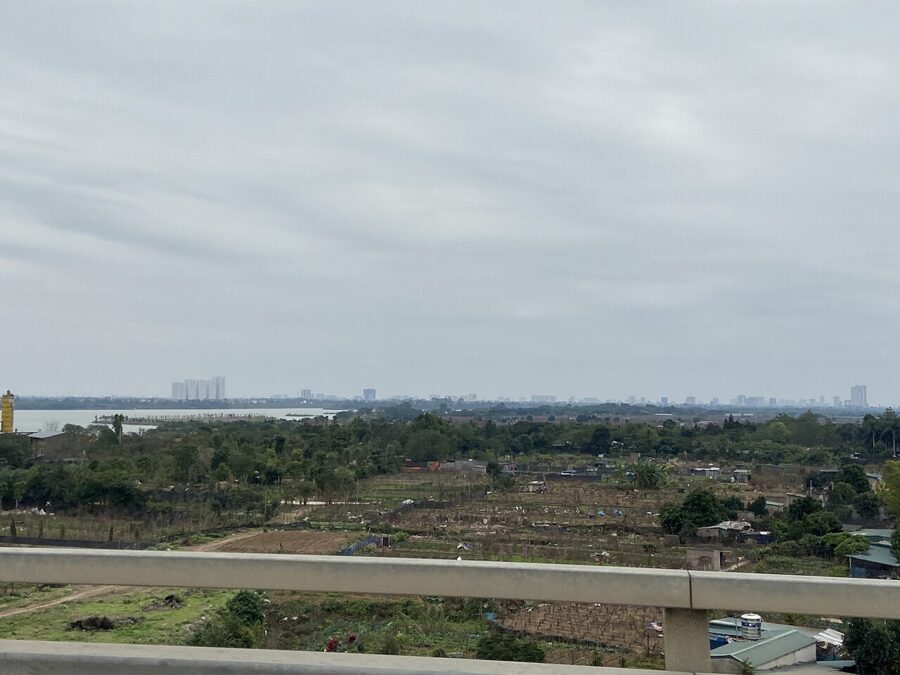

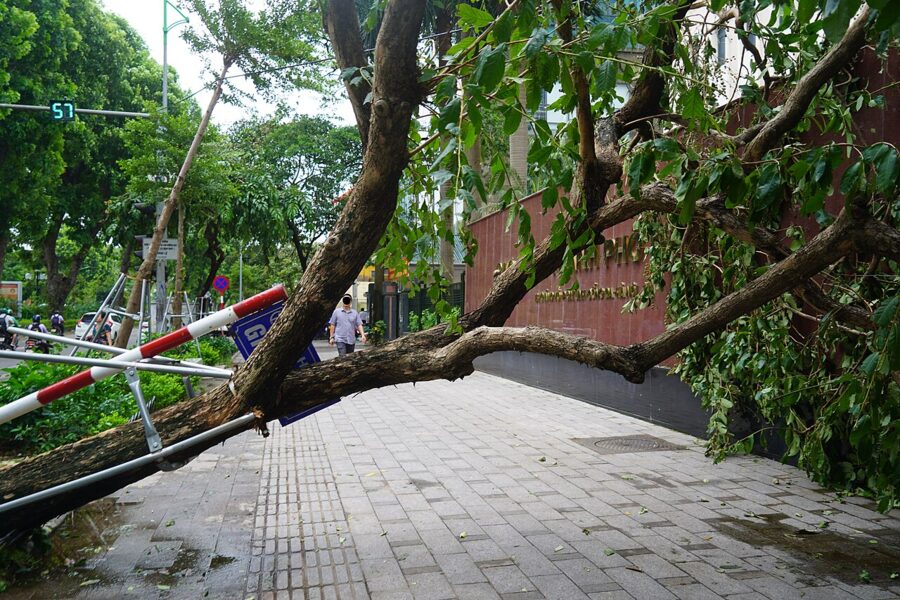
Summer is the hard season. June highs average 35°C, and from June to September Hanoi gets more than 220 millimetres of rain a month, peaking in August. Storms track into the Gulf of Tonkin mostly between July and September: Typhoon Yagi came ashore in Quang Ninh and Hai Phong on 7 September 2024 and brought down trees across the capital.

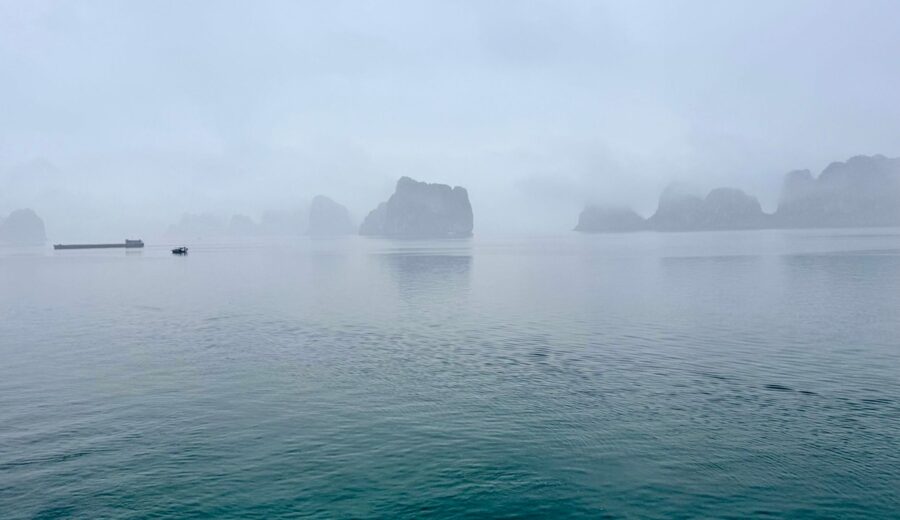
Ha Long Bay follows the same pattern with a sea attached. At Bai Chay the wettest month is August, with about 430 millimetres, while December brings under 20. Spring is often misty, and summer brings the holiday crowds and the storms together; when a storm is forecast the province stops the boats, as it did for overnight cruises on 3 July 2026 ahead of Typhoon Maysak. October, November, April and May give the best odds of clear water and a sailing that actually leaves.
Ninh Binh, two hours south of Hanoi, shares the capital’s weather. The boat trips at Trang An run year round, but the rowers work in the open, so the cool months are kinder on you and on them.
One Hanoi date to check every year: the Ho Chi Minh Mausoleum closes for its yearly maintenance. In 2026 that ran from 4 September to 2 November, and the dates change each year.
Sapa and the far north mountains
Up in the mountains the seasons are sharper. Sapa sits at about 1,500 metres, and in January its average high is 12°C and its average low 6°C. Frost comes with cold snaps; snow is rare.
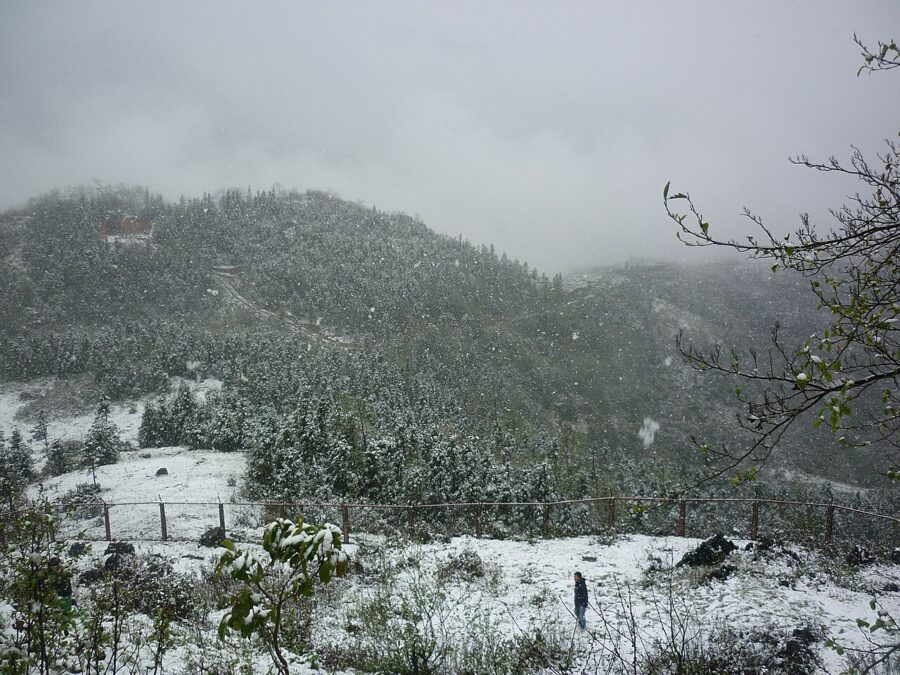
Summer flips it round. July averages 23°C by day, but it also brings about 460 millimetres of rain over roughly 26 wet days, and the trails turn to mud and the roads to landslide risk. Late September to November is the time I would choose for walking: the rain eases, the air clears, and the views across the valleys open up.
The rice terraces keep their own calendar. The paddies are flooded for planting in May and June, the “water season” (mùa nước đổ), when the terraces turn into stepped mirrors. The rice ripens from late August into early October. In 2026 Mu Cang Chai, now part of Lao Cai province, opened its Golden Season festival on 30 August, and the terraces were turning gold by the 2 September holiday.
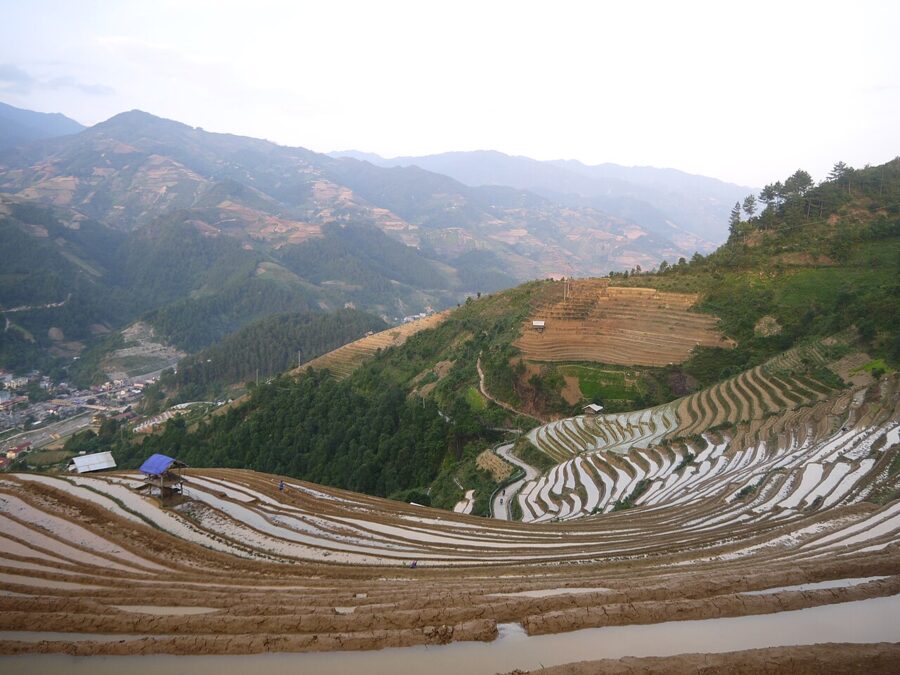
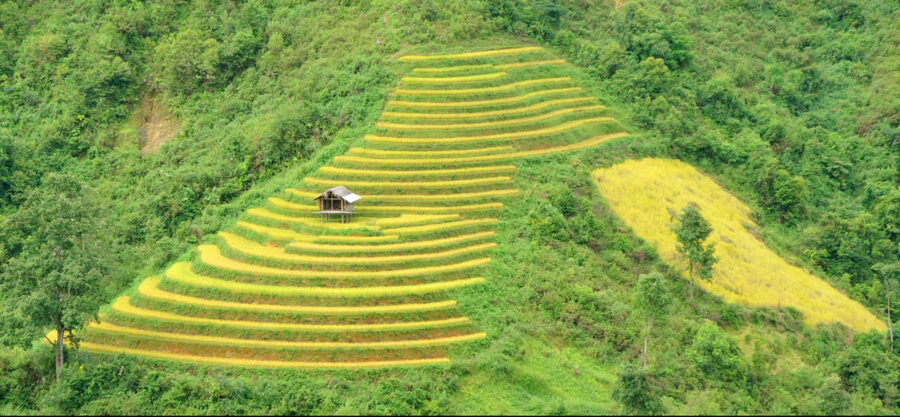

Further east, the karst plateau of Ha Giang (now part of Tuyen Quang province) is at its best in October and November, when the buckwheat flowers and the loop roads are dry.
The centre: Hue, Hoi An and Da Nang
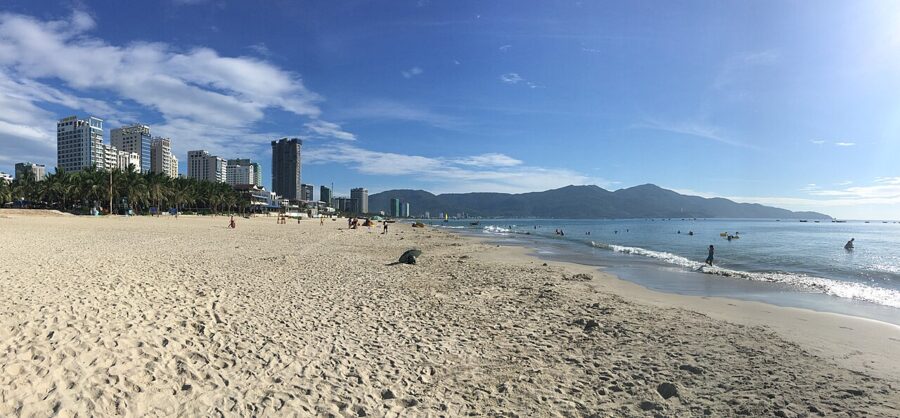
The central coast has the most lopsided year in the country. From February to August it is dry: Da Nang averages 24 millimetres of rain in February and 25 in March, and the sea is calm enough for swimming from about March. From September to December it is the wettest stretch of the usual tourist route.
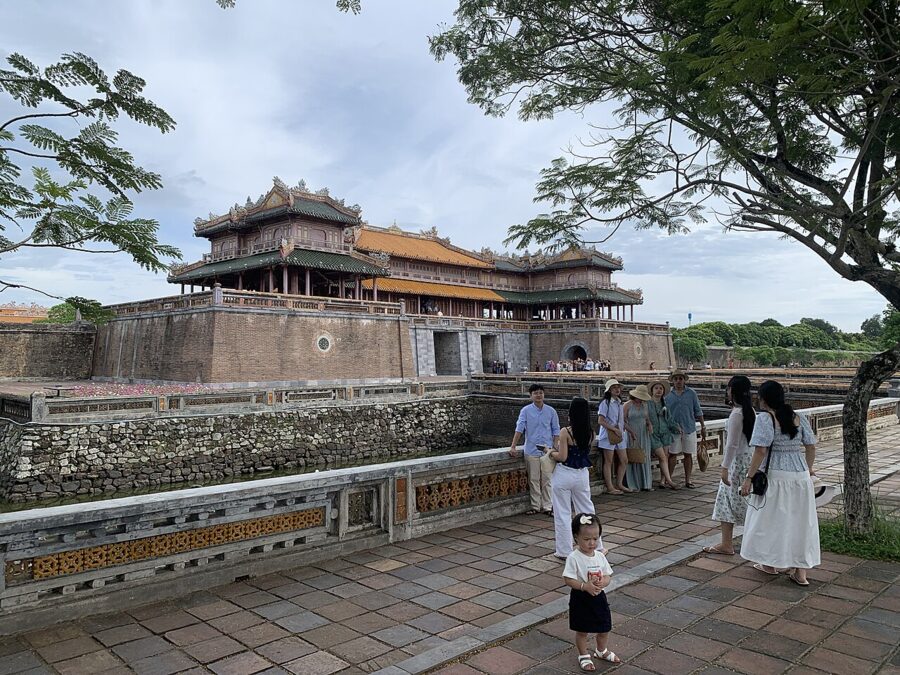

Hue is the extreme. It averages about 770 millimetres of rain in October and 640 in November, with rain on around 21 days in each, and even January brings 130. In summer it is the reverse: June and July highs average close to 35°C, and the Laos wind can push the heat well past that.
For a mixed trip of temples, old towns and beach, I would pick late February to April: highs from the mid-20s to about 30°C, the sea warming up, and very little rain. May to August is beach season proper, hot and settled, and it is also when Vietnamese families fill Da Nang’s hotels. Da Nang’s international fireworks festival is part of that summer; in 2026 it ran over six nights between 30 May and 11 July, and the 2027 dates are set by the city closer to the season.

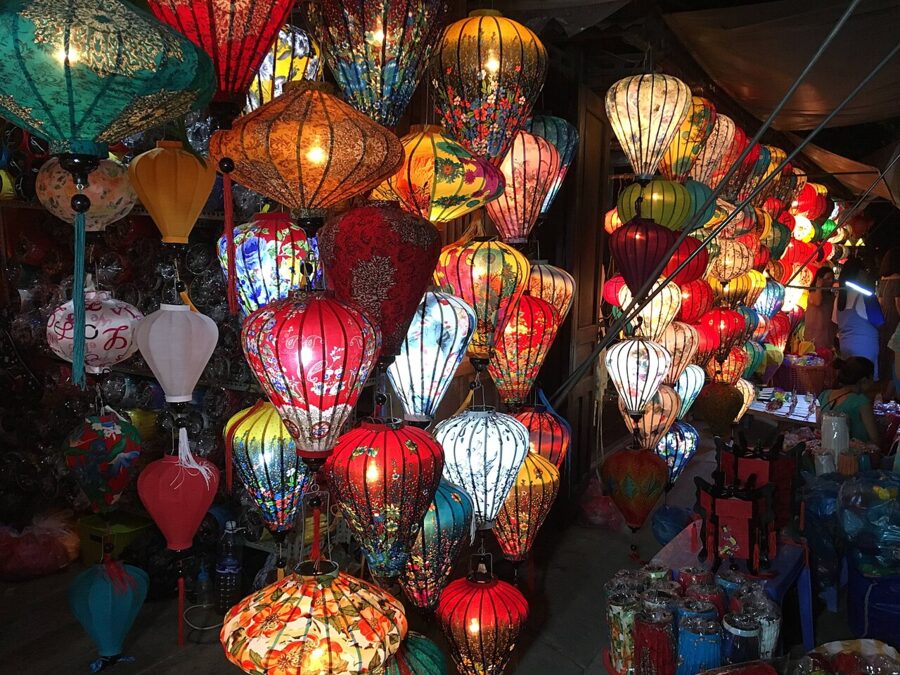
Hoi An works in any dry month, and it has a monthly rhythm worth planning round: on the 14th night of each lunar month, the eve of the full moon, the old town is lit by lanterns and candles floated on the Hoai river. This year also adds a one-off: Da Nang city is staging Hoi An’s first International Lantern Festival from 3 to 6 December 2026, along the Hoai river and in the old town.

Typhoon and flood season in the centre
The East Sea (the South China Sea) sees about nine storms and tropical depressions in an average year, and about four of them affect or reach the Vietnamese mainland, by the national forecasting centre’s count. The season moves south as the year goes on: storms cluster in July to September in the north and in October and November in the centre, and the south-central coast can still be hit late in the year.
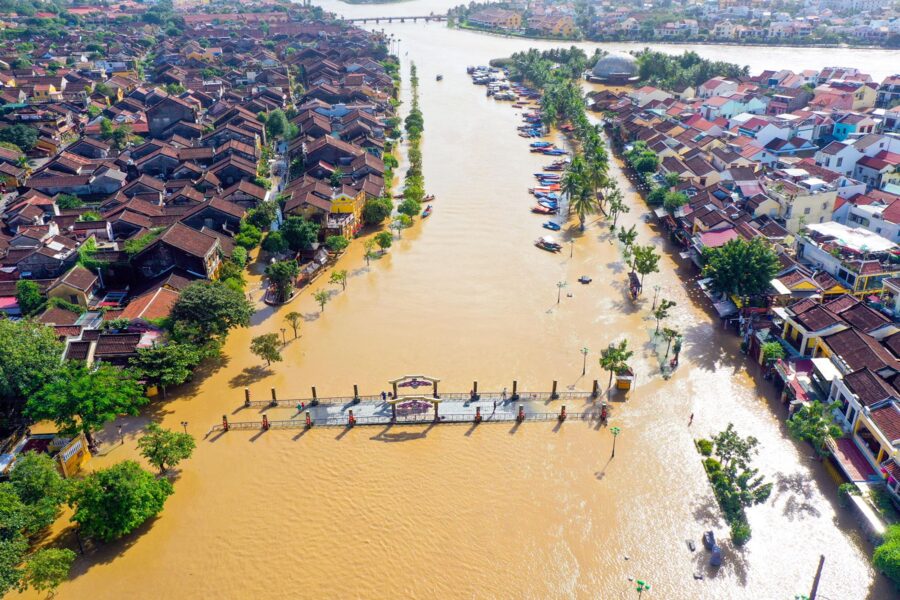
Typhoons make the headlines, but floods do most of the damage to a trip. When days of north-east monsoon rain meet a storm, the rivers that come down from the Truong Son range rise fast, and the reservoirs upstream release water on top. Hoi An’s old town and the low ground round Hue go under most autumns.
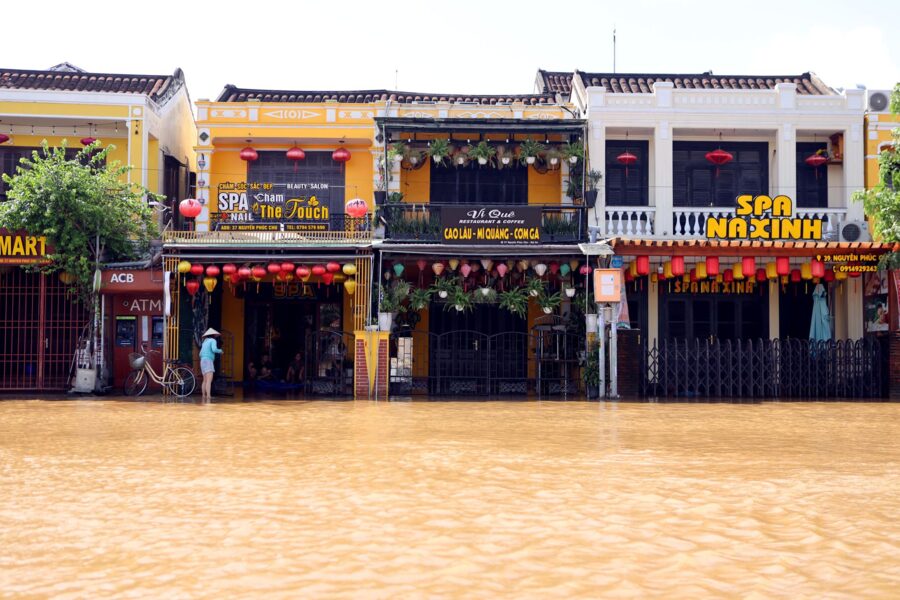
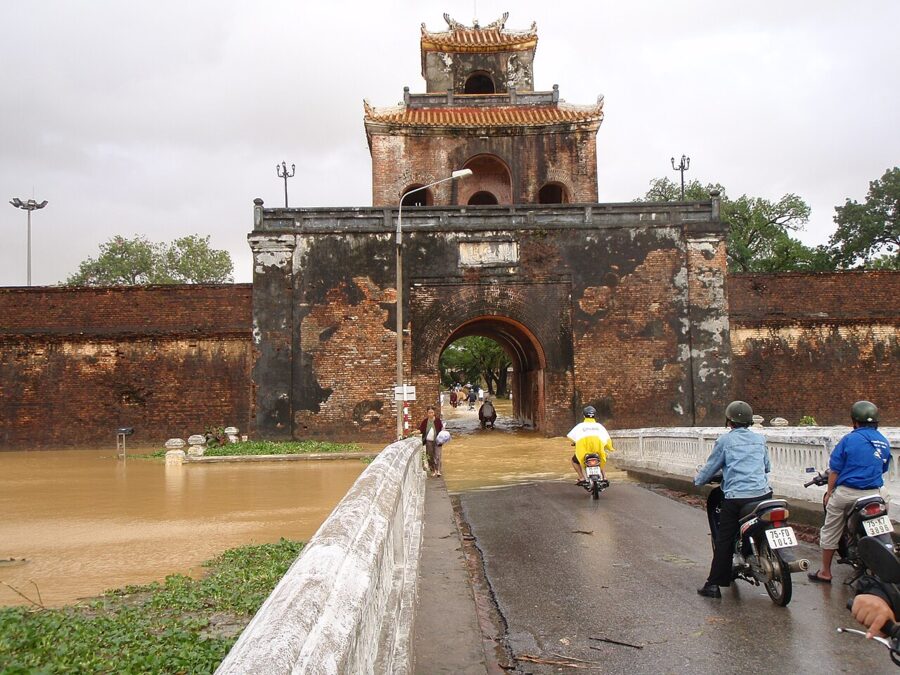
The 2025 season shows what that means. Floodwater reached Hoi An’s old town overnight on 26 October, and tourism there stopped for four to five days. In Hue, the Imperial City was surrounded by water, foreign visitors were evacuated by boat on 28 October, and the city flooded for a third time in six days at the start of November. The Hue tourism trade counted about 5,000 cancelled room bookings.

2026 has been quieter. By early November the East Sea had seen five storms and three depressions, below the long-term average, and only two of those systems affected the mainland. A quiet year is still not a safe one: around 10 November 2026 a strengthening cold air mass brought heavy rain on Hue and Da Nang, with landslides on Highway 49 and floodwater across the Ho Chi Minh Road in the A Luoi hills.
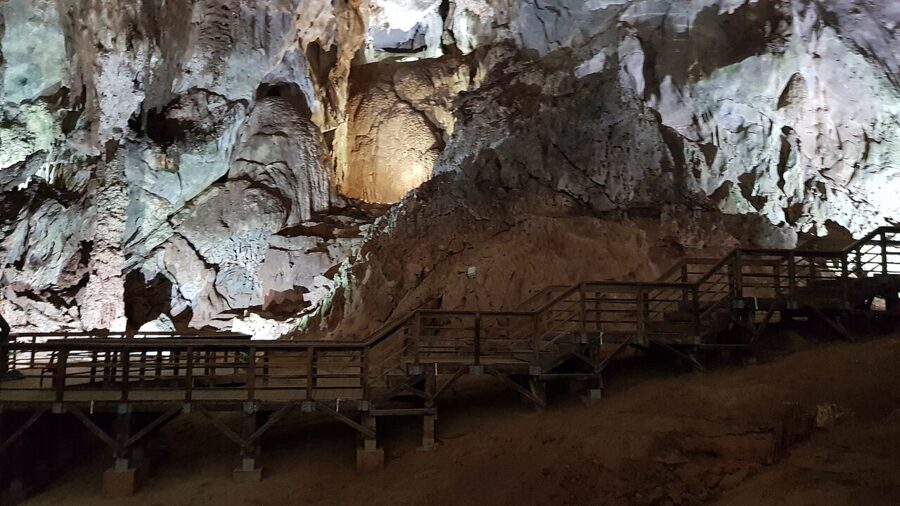
If you have to travel through the centre between late September and early December, plan for it. Book rooms you can cancel, prefer a hotel on higher ground in Da Nang to a riverside one in Hoi An, and leave a spare day either side of any train or flight. Phong Nha is part of the same story: the cave boats on the Son river stop when heavy rain is forecast, so the caves are a February to August trip.

Nha Trang, Da Lat and the south-central coast
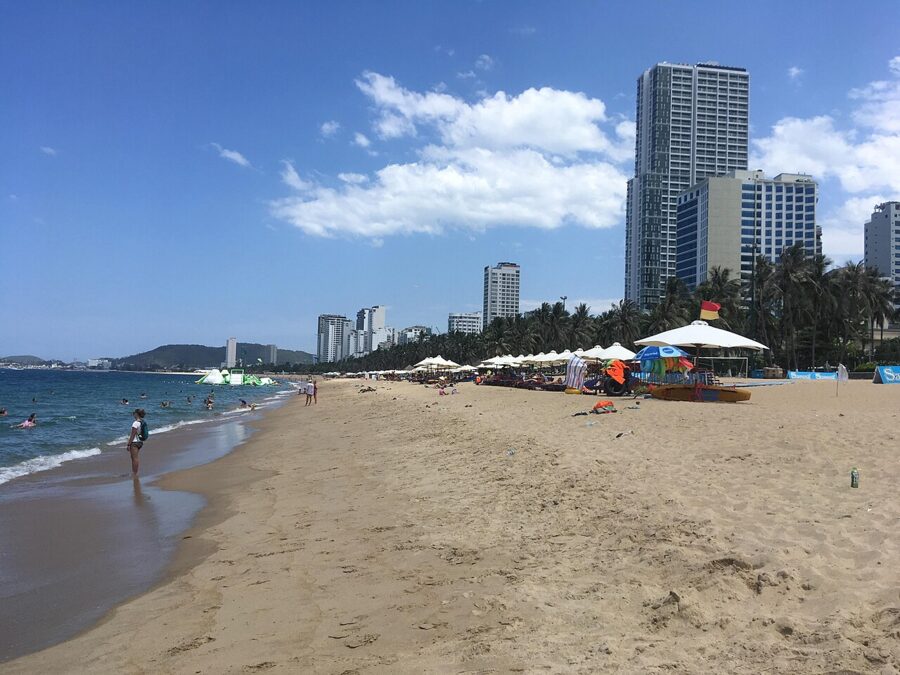
South of the Hai Van Pass the dry season gets longer. Nha Trang averages 16 millimetres of rain in February and stays dry, by Vietnamese standards, until August; its wet months are October and November, with about 300 millimetres each. Highs sit between 27 and 32°C all year.

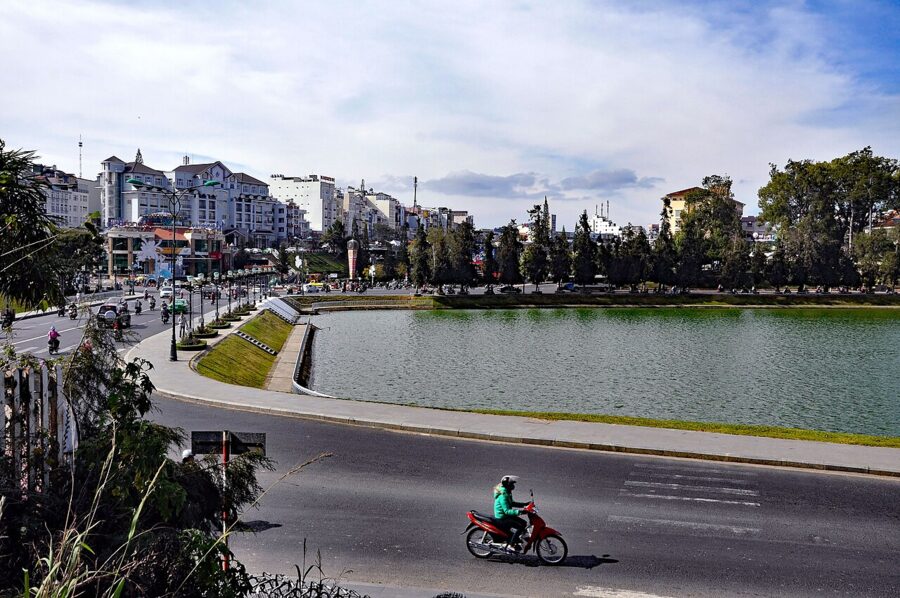
Da Lat, at about 1,500 metres, is the exception. Highs stay between 21 and 25°C all year and January nights drop to about 12°C. The rain comes from May to October, often in the afternoon; from December to March it is dry, sunny and the best time to go.

The south: Ho Chi Minh City, the Mekong Delta and Phu Quoc
In the south the temperature hardly matters, because it barely moves: Ho Chi Minh City’s average highs run from about 32 to 35°C in every month. What changes is the rain. January to March each bring under 20 millimetres; from May to October every month brings more than 200, and September is usually the wettest.
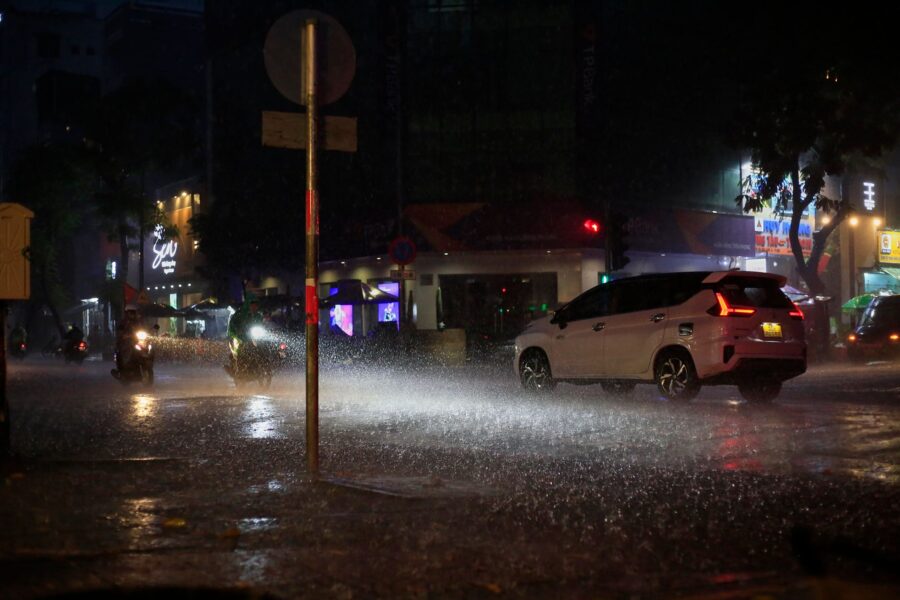
December to March is the time I would choose for Ho Chi Minh City. April and May are the hottest weeks, close to 35°C before the rains break, with little shade or breeze. The wet season is perfectly workable: storms usually come late in the afternoon or evening, last an hour or two, and leave the next morning clear.
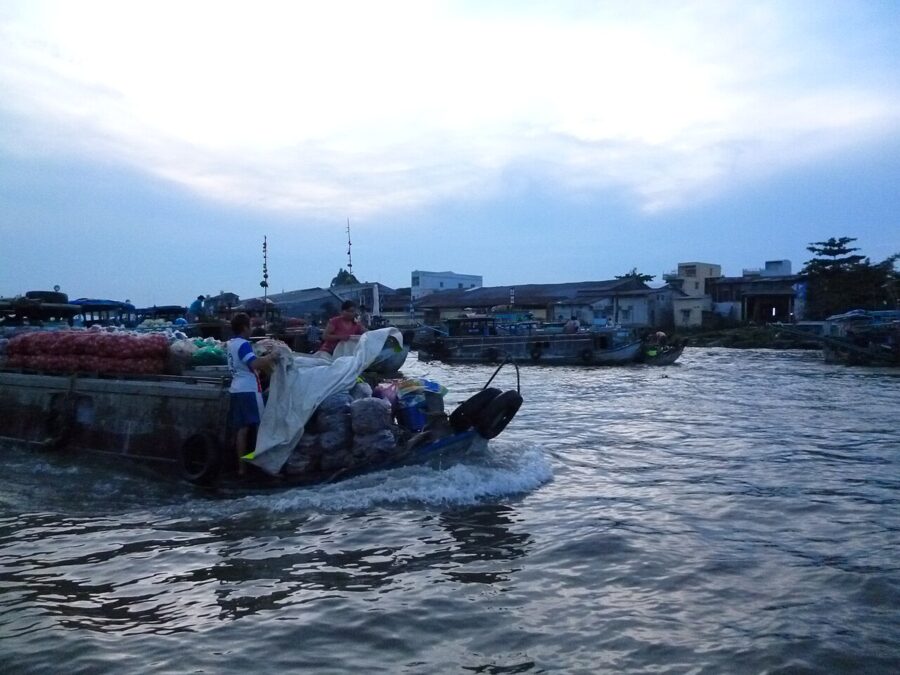

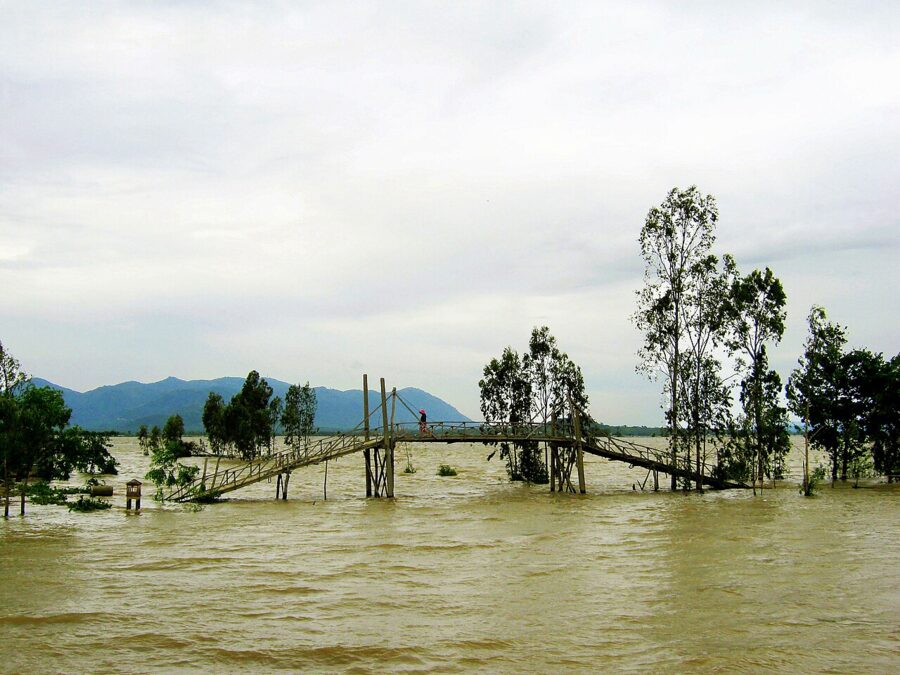
The Mekong Delta has two good seasons for two different trips. The dry months from December to April are easiest for cycling and boat trips; Can Tho averages 4 millimetres of rain in February. From September to November the upper delta round An Giang fills with the annual flood, mùa nước nổi, and the fields become sheets of water with fishing and boat life to match. This winter, watch the news for salt water: forecasters expect it to come further up the rivers, earlier than usual.

Phu Quoc, now part of An Giang province, is a November to April island. January and February average about 27 millimetres of rain; July to September bring well over 400 a month on more than 22 wet days, and the south-west monsoon blows straight onto the main west-coast beaches. If your beach week falls in July, the centre is the better bet.
Tet and the other holidays
Tet, the Lunar New Year (Tết Nguyên Đán), decides more about a Vietnam trip than any weather. In 2027 the first day of the Year of the Goat falls on Saturday 6 February. The Ministry of Home Affairs has set the public-sector holiday at seven days, from Thursday 4 February to Wednesday 10 February 2027, and private employers set their own dates around it.
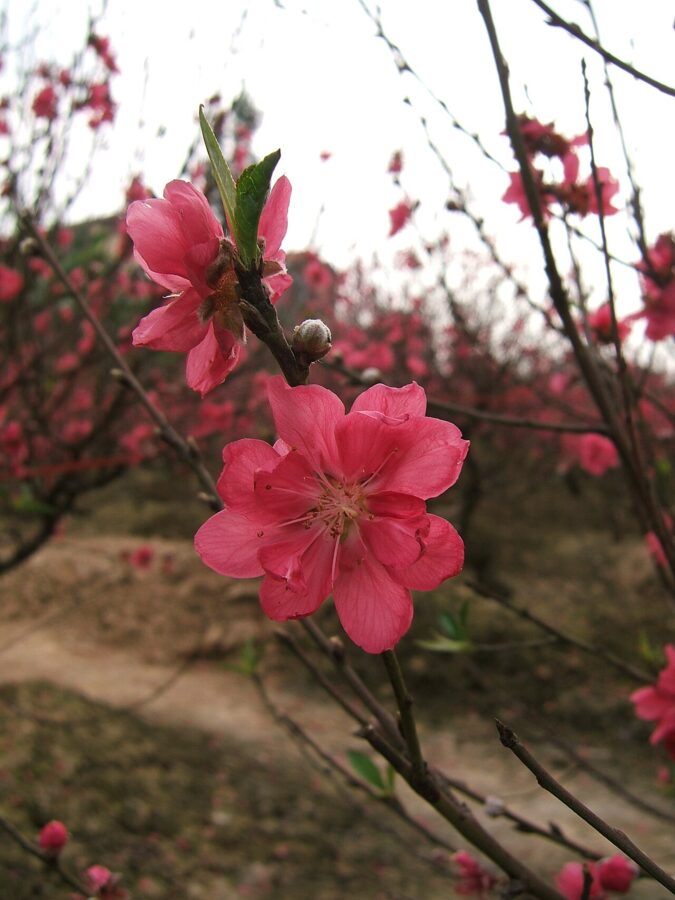
The holiday moves the whole country at once. Vietnam Railways put about 300,000 Tet tickets on sale on 5 September 2026 for a holiday timetable running from 23 January to 25 February 2027, with extra trains from 5 to 8 February. Flights and buses fill too, and fares rise. If you need to cross the country in the fortnight before Tet, book now.
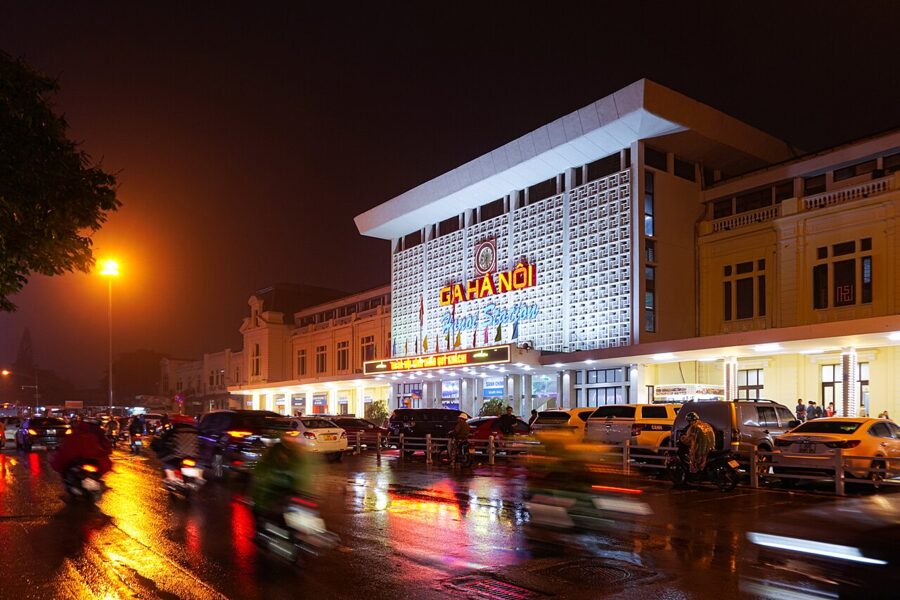

Then the cities empty. On the first three days of the new year many family restaurants, market stalls and small shops close, offices and banks shut for the official holiday, and the people who stay are visiting relatives. Hotels and the big sights mostly stay open, and the decorations are worth seeing: in 2026 Ho Chi Minh City’s flower street on Nguyen Hue ran from the 28th day of the old year to the 6th of the new, across three sites in the city centre.
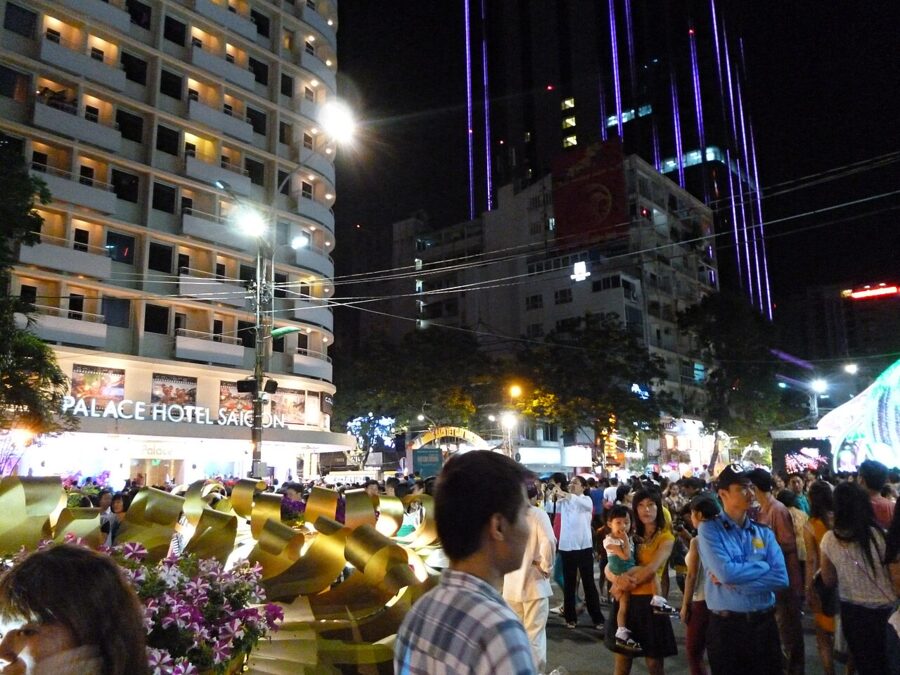

My advice for Tet: arrive a week before, when the flower markets are at their best and everything is open, and spend the first three days of the new year in one place with a hotel that serves food. Wear red if you like; it is the colour of the holiday, and nobody will mind.
The other dates that matter are domestic holidays, when Vietnamese families travel and beaches and Ha Long fill up:
- Hung Kings’ day and 30 April to 1 May. The kings’ festival falls on the 10th day of the third lunar month, and Reunification Day and Labour Day follow; when they join up with a weekend, the coast books out.
- The summer school holidays, June to August. Peak season on every beach and at Ha Long, whatever the weather.
- National Day, 2 September. In 2027 the public sector has four days off, from Thursday 2 to Sunday 5 September.
- Vietnam Culture Day, 24 November. New as a paid holiday from 2026. On the day, entry is free at 13 state museums and national parks, among them the Independence Palace in Ho Chi Minh City, the Vietnam Museum of Ethnology in Hanoi and Cuc Phuong National Park; expect crowds there.
The best months by kind of trip
- A Ha Long Bay cruise: October and November, or April and May.
- Trekking round Sapa: late September to November for clear views, March to May as a second choice. Go in May or June for the water season on the terraces, and in September for the gold.
- Beaches: there is a good one every month. Phu Quoc from November to April, Nha Trang from January to August, Da Nang and Hoi An from March to August.
- The cities: Hanoi in October, November, March and April; Ho Chi Minh City from December to March; Hue from February to April, before the heat.
- Caves at Phong Nha: February to August.
- The Mekong Delta: December to April for comfort, September to November for the floods.
For one trip from end to end, the overlap is March and April: the north is mild, the centre dry and not yet scorching, and the south still in its dry season. That is the window I would plan a ten-day itinerary around. The months to be careful with are October and November in the centre, and the two weeks either side of Tet anywhere.
Vietnam month by month
Temperatures are average daily highs from long-term station records. “Good” means settled weather for most of the month; “mixed” means a fair chance of rain or heat that will shape your days.
| Month | North (Hanoi, Ha Long, Sapa) | Centre (Hue, Hoi An, Da Nang) | South (Saigon, Mekong, Phu Quoc) | Worth knowing |
|---|---|---|---|---|
| January | Mixed: cool and grey, Hanoi 20°C, Sapa 12°C | Mixed: mild, 23 to 25°C, showers | Good: dry, 32°C | Pre-Tet bookings fill in late January |
| February | Mixed: drizzle, little sun | Good: drying out | Good: driest month | Tet 2027 falls on 6 February |
| March | Good: warming, 26°C, misty bay | Good: dry, sea warming | Good: dry, hot | The best month for a full-length trip |
| April | Good: 28 to 29°C | Good: dry, about 30°C | Mixed: hottest weeks begin | Holidays around 30 April |
| May | Mixed: hot, rains start | Good: hot, dry, beach season | Mixed: hot, rains start | Water season on the terraces |
| June | Mixed: 35°C, wet | Good: very hot, dry | Mixed: wet season | School holidays start |
| July | Mixed: wet, storm risk | Good: very hot, dry | Mixed: wet season | Peak domestic beach season |
| August | Mixed: wettest month, storm risk | Good: hot, mostly dry | Mixed: wet season | Rice turns gold in the far north at month’s end |
| September | Mixed: rain easing, storm risk | Mixed: rains begin | Mixed: wettest month | National Day on 2 September; terraces gold |
| October | Good: 30°C, drying, haze begins | Poor: heaviest rain, flood risk | Mixed: rain easing | Mekong flood season in An Giang |
| November | Good: 27°C, dry, check air quality | Poor: heavy rain, flood risk | Mixed: drying out | Free entry to state sites on 24 November |
| December | Mixed: cool and grey, 21°C | Mixed: rain, cooler | Good: dry season starts | Hoi An lantern festival, 3 to 6 December 2026 |
Whatever month you settle on, give the region you care about most its best weeks and let the others take their chances. Then book the flights, the e-visa and, if your dates touch Tet, the train, in that order.