
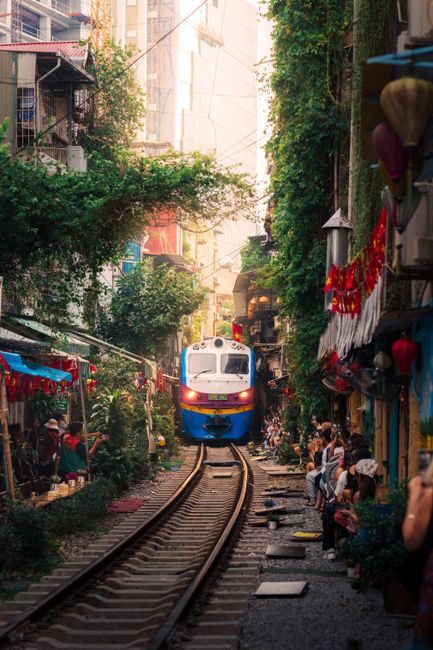
Trains still squeeze down Hanoi’s Train Street in late 2026, ten months after the city asked for them to stop. In January the city proposed ending passenger services between Hanoi Station and the Red River, which would turn the most photographed alley in Vietnam into a quiet one. Nothing has changed on the ground yet, and the cafés still set their stools a stride from the rails.
Hanoi keeps rearranging itself around a thousand years of history. In 2026 alone it repaired Long Bien Bridge, closed the streets by the lake to traffic on weekend evenings and made central buses free. The sights stay put; the rules around them keep moving.
This is the Hanoi you get on a second and third day: the river and the bridge, the train alley, West Lake, the museums worth a ride, the food streets, the weekend evenings and the villages within reach. Each comes with how to get there, what it costs as of November 2026, and where I would not bother.
Contents
- First, the one-day route
- Long Bien Bridge and the Red River
- Train Street: what is happening there
- West Lake (Hồ Tây) and Truc Bach
- The museums worth a ride
- A cathedral and an opera house
- What to eat, and the streets to eat it on
- Evenings and weekends
- Where to stay: four neighbourhoods
- Getting in from Noi Bai Airport
- Getting around the city
- Day trips from Hanoi
- Mistakes to avoid, and what I would skip
First, the one-day route
The classic sights fit into one well-ordered day: the Ho Chi Minh Mausoleum, the One Pillar Pagoda, the Temple of Literature, Hoa Lo Prison, Hoan Kiem Lake and the Old Quarter, finished with water puppets or the weekend walking streets. The Hanoi city tour lays out that route hour by hour, with the mausoleum’s closing days and every ticket price, so I won’t repeat it here.
Hanoi is famous for that day, for its food and for its lakes, and three days is the right length for most first trips: one for the route, one for what follows, and one for a village or a museum you didn’t expect to like. On a ten-day Vietnam itinerary you get two, so pick by mood: the river and West Lake for a slow morning, the museums for rain or heat.
Long Bien Bridge and the Red River
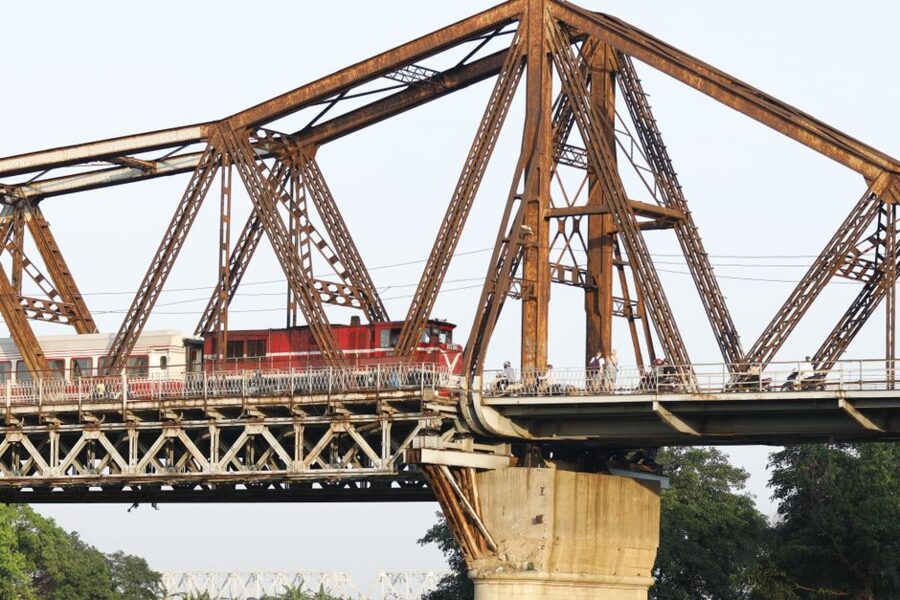
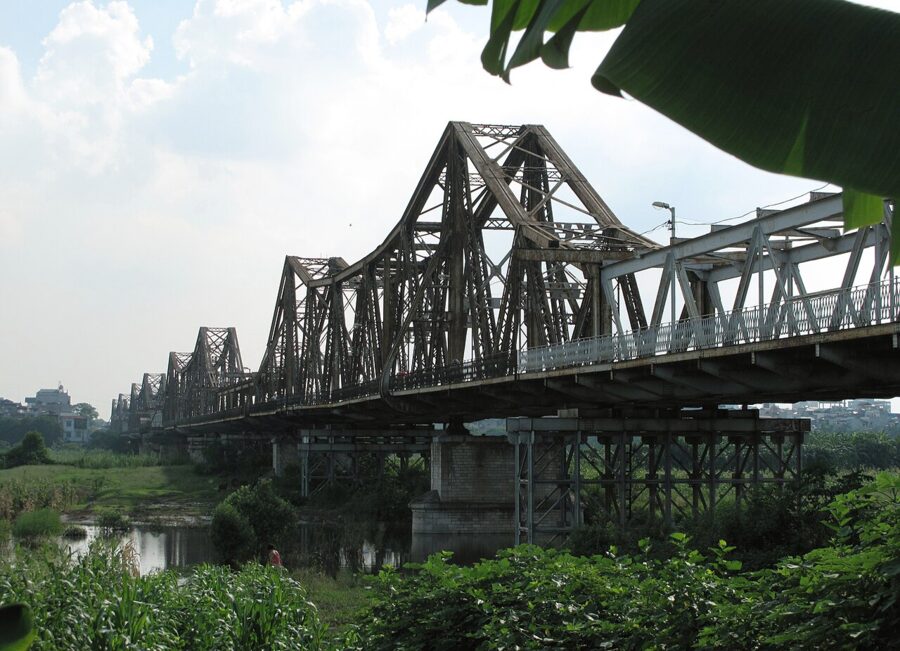
Long Bien Bridge (Cầu Long Biên) was the first steel bridge across the Red River, finished by the French in 1902 and named for the governor-general Paul Doumer. American bombing broke it repeatedly between 1967 and 1972, and the mismatched spans you walk over today are the repairs. Rusting, patched and still carrying trains, it is the best free walk in the city.


The bridge spent spring 2026 shut to road traffic while crews replaced the walkway slabs, railings and deck surface; it closed on 28 March and reopened to motorbikes and pedestrians at the end of May. Trains kept running throughout.
Start at the city end near Dong Xuan Market and walk out to the first piers over the water, about twenty minutes each way. Below you is the middle-river bank (bãi giữa), a strip of farmland on the sandbar, and on the far shore Long Bien ward. Go back the same way unless you want to keep walking: the far end is a busy road junction, not a viewpoint.

Train Street: what is happening there
Train Street is a stretch of railway where the track runs between rows of houses a few metres apart. The alleys most people mean are off Phùng Hưng, near the Old Quarter, and off Lê Duẩn and Khâm Thiên, south of Hanoi Station. Residents turned their front rooms into cafés as the photos spread, and the alley became one of the busiest sights in the city.
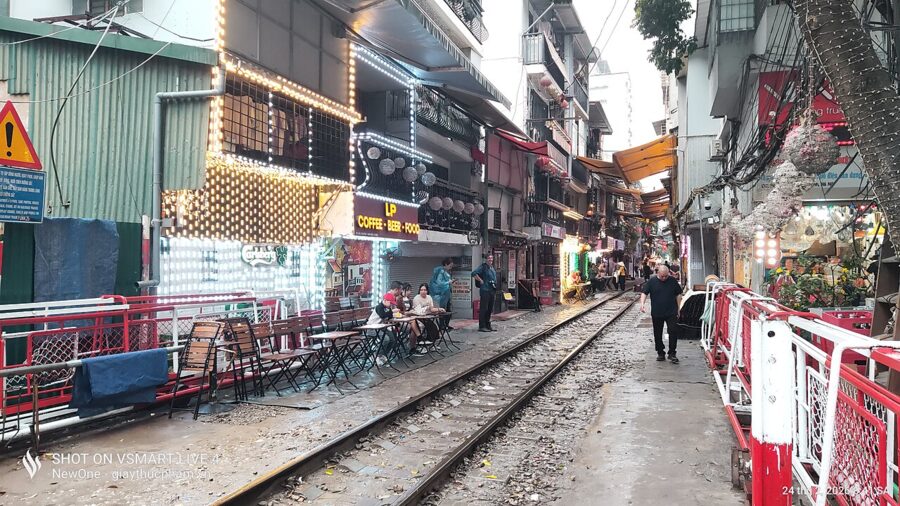

The authorities have never wanted the cafés there. Police cleared them in late 2025, and they were full again within days. In January 2026 the city proposed ending passenger services on the stretch between Hanoi Station and Long Bien, with trains from the south terminating at Hanoi Station and those from the north at Gia Lam across the river. As of the latest reports in August 2026, that had not happened, and the trains were still running.
The same August, a passing locomotive struck a phone out of a tourist’s hand as she filmed from too close to the rails. A traffic police officer now walks the track when the first whistles sound, moving people back. If you go, stand where the officer tells you, keep bags and feet behind the line of stools, and never step onto the track for a photo.
My view: walk it in the morning, when it is a residential street with washing out, and skip the train-time scrum. If the proposal goes through, the cafés lose their train, so check the local news before you plan around it.
Phùng Hưng’s mural arches
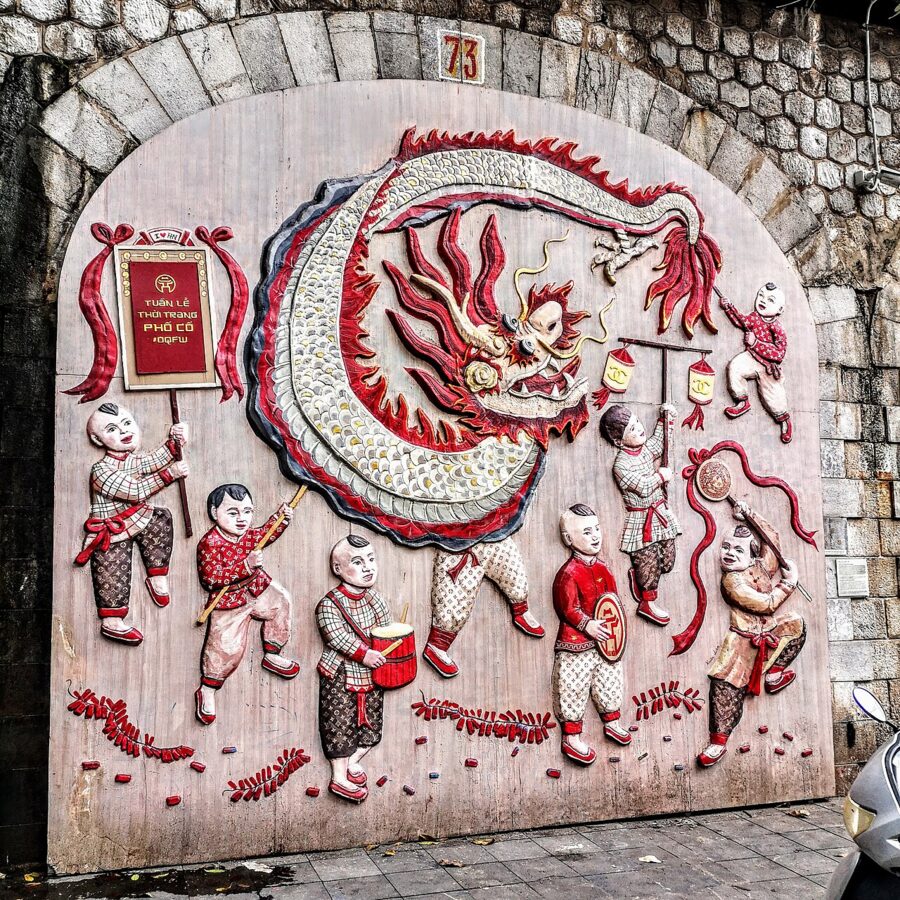
The railway reaches the Old Quarter on a brick viaduct, and the arches beneath it along Phùng Hưng street carry murals of old Hanoi street life, painted in 2019. The city counts 131 arches along Phùng Hưng and Gầm Cầu and wants to open more of them as cultural spaces. It is a five-minute stop on the way to Dong Xuan Market, with no train anywhere near your feet.

West Lake (Hồ Tây) and Truc Bach
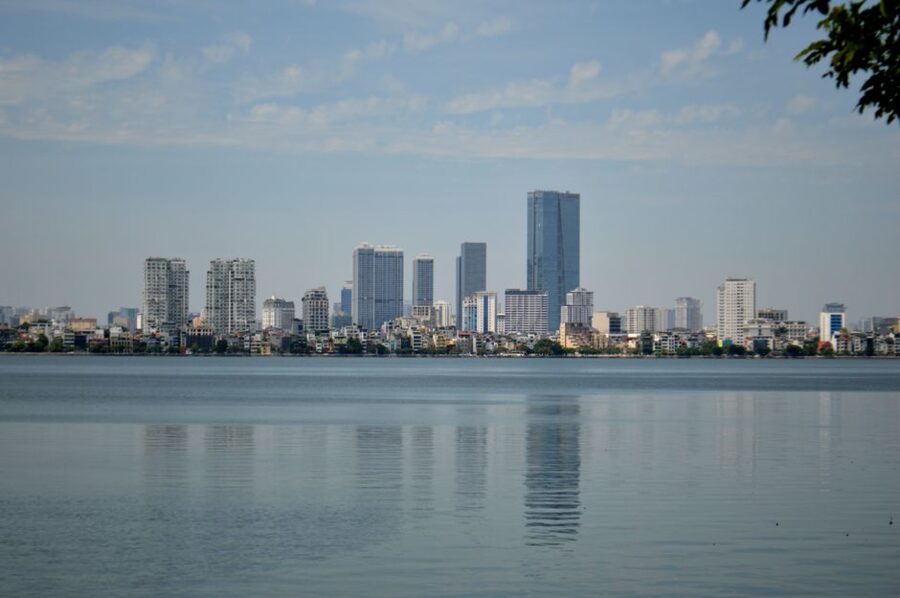
West Lake is the largest lake in the city, about 17 kilometres around, and it is where Hanoi goes to breathe. The shore road is lined with cafés, temples and, on the eastern side, the villas and bars of the Tây Hồ shore, where many of the city’s foreign residents live. The light at sunset is the reason to come; the morning is for cycling or walking the shore before the heat.
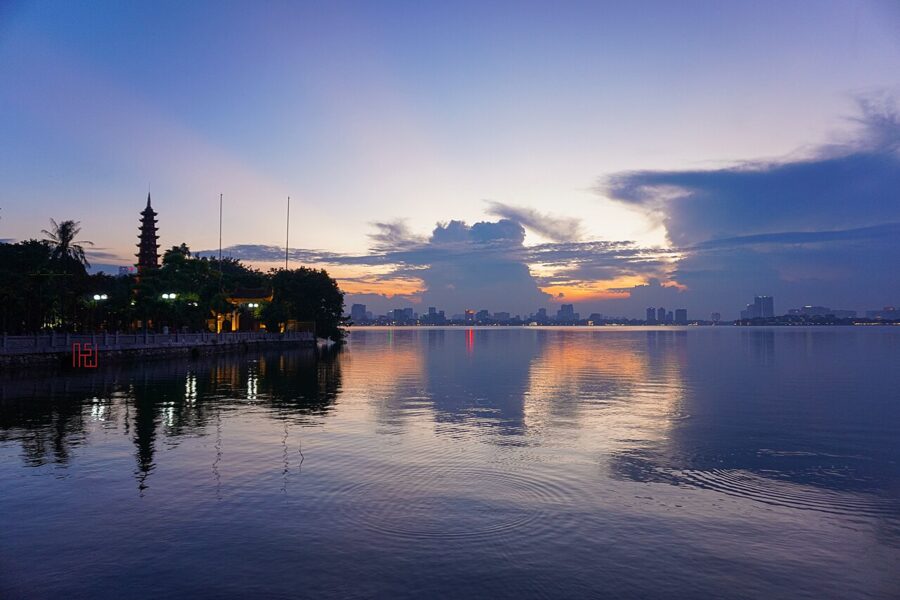

The easy loop is the southern end. Tran Quoc Pagoda (Chùa Trấn Quốc), one of the oldest Buddhist foundations in the country, sits on its islet off Thanh Niên road, and Quan Thanh Temple stands at the road’s southern end; both are part of the classic route. From there the lake path runs north to the Tây Hồ peninsula in about forty minutes on foot.
Phủ Tây Hồ
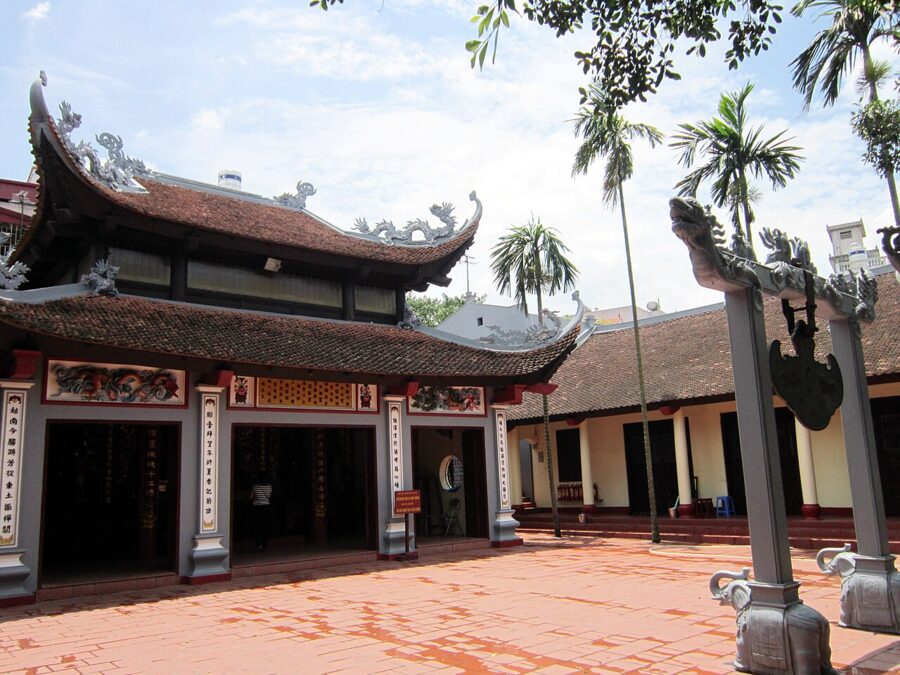
Phủ Tây Hồ is a temple to the Mother Goddess Liễu Hạnh on a point of land jutting into the lake, and it is where Hanoians come to pray for luck and money. On the first and fifteenth days of the lunar month the lanes outside fill with people carrying fruit, flowers and paper offerings. The lake’s own dish is bánh tôm (crisp fritters of shrimp and sweet potato), fried at stalls along the shore road.

Truc Bach Lake
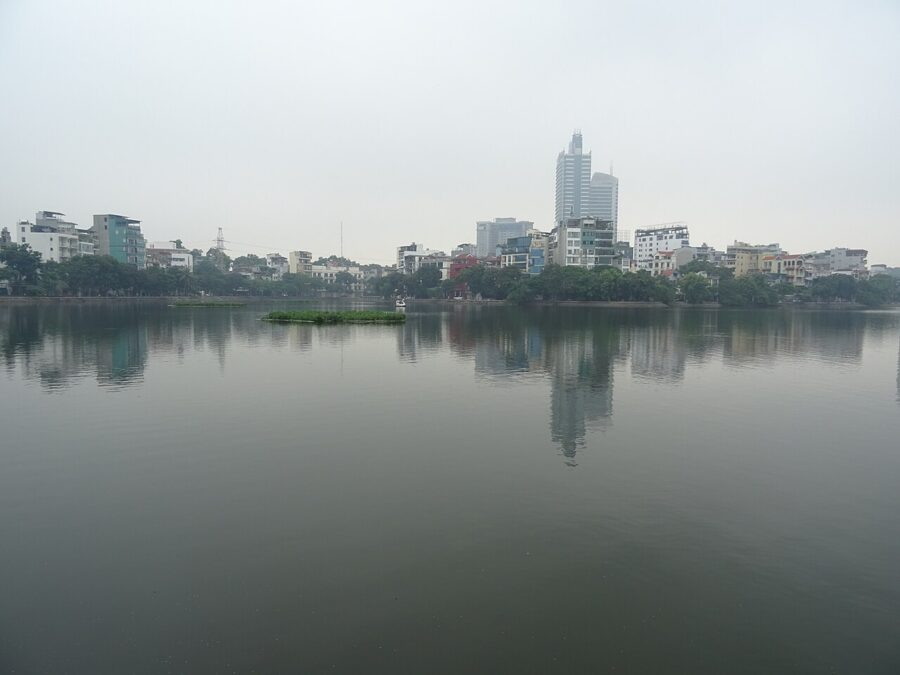
Thanh Niên road divides West Lake from Truc Bach Lake (Hồ Trúc Bạch), the smaller, quieter water to the south-east. On its shore, the Ngũ Xã peninsula is where phở cuốn was invented: sheets of uncut pho noodle rolled around stir-fried beef and herbs, dipped in a sweet fish sauce. Phở Cuốn Chinh Thắng, one of the oldest shops, was on the 2026 Michelin list, and the peninsula’s lanes are full of others selling the same thing.

The museums worth a ride
Hanoi’s best museums are not in the Old Quarter, and the two most rewarding sit well west of the lake. Most of the ones below charge 40,000 dong (about $1.50) for an adult ticket as of autumn 2026. Under a rule that took effect in November 2026, every 24 November, Vietnam Culture Day, is free entry at the national museums, including the Ethnology, Women’s, Fine Arts, Military History and National History museums.
Vietnam Museum of Ethnology
If you see one museum in Hanoi, make it this one. The Vietnam Museum of Ethnology (Bảo tàng Dân tộc học Việt Nam) explains the country’s 54 recognised ethnic groups through clothes, tools, ritual objects and video, and then shows you their homes. In the garden, artisans from each community built full-size houses: a Tày stilt house, an Ê Đê longhouse, a Bana communal house with a roof like a blade, Hmông and Chăm homes you can walk through.
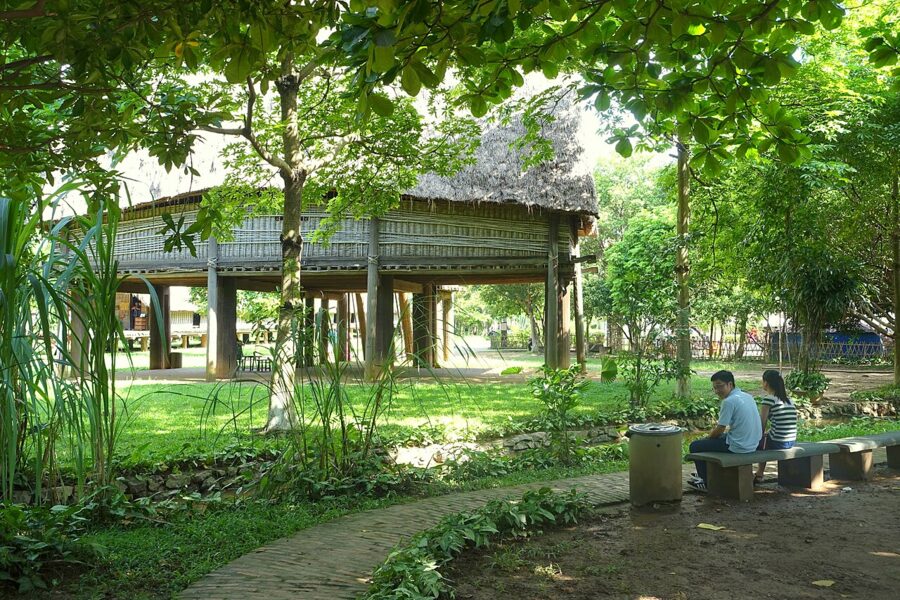
The museum is on Nguyễn Văn Huyên street in Cầu Giấy, about 8 km west of the Old Quarter: twenty to thirty minutes by Grab. It opens Tuesday to Sunday, 8:30 to 17:30, and closes on Mondays and over Tết. Water puppet shows play by the garden pond on some days with a separate ticket; ask at the desk when you arrive.
Vietnamese Women’s Museum
Closer in, at 36 Lý Thường Kiệt in the French Quarter, the Vietnamese Women’s Museum is the one I recommend to people who say they don’t like museums. Three themes fill its floors: women in the family (marriage, childbirth, ancestor rites across different ethnic groups), women in history (the wars, including the portraits of the Heroic Mothers), and women’s fashion and crafts. A section on Hanoi’s street vendors, the women with shoulder poles you will have dodged on the pavement, looks at the work from their side.
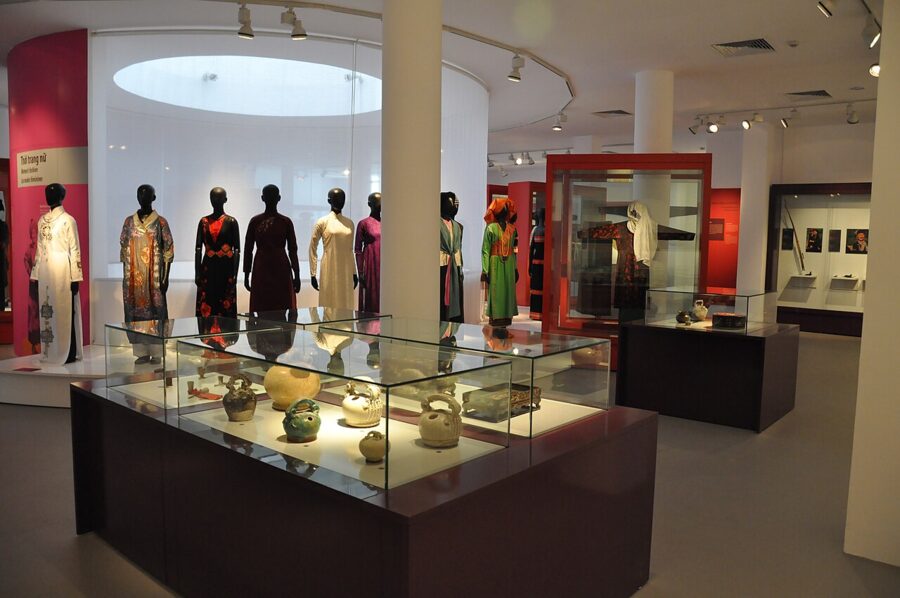

It opens daily, 8:00 to 17:00, with shorter hours around Tết, and Hoa Lo Prison is ten minutes’ walk away.
Vietnam Military History Museum, in its new home
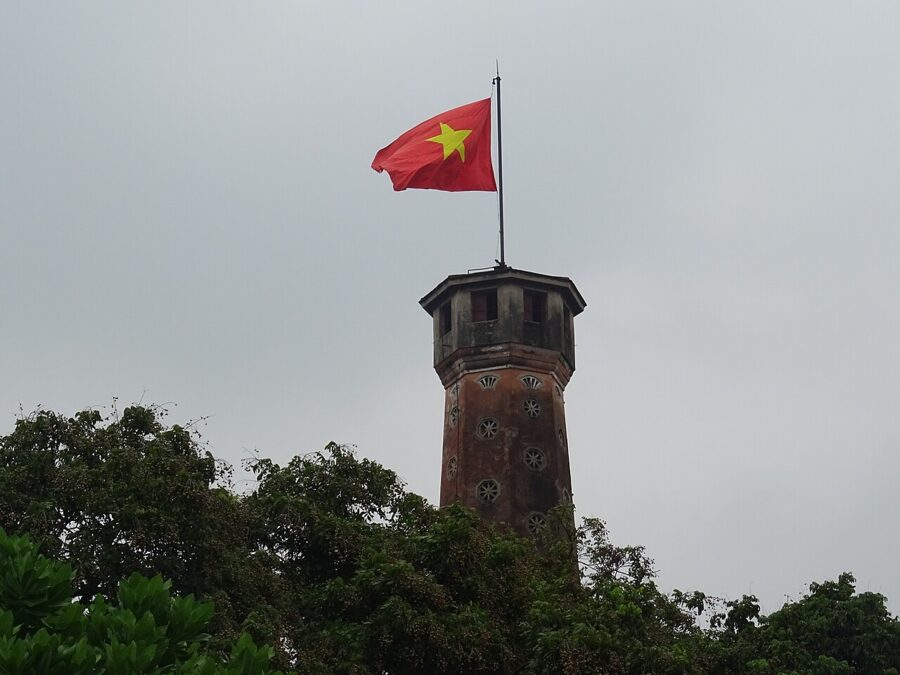
Older guides still send you to the Flag Tower on Điện Biên Phủ street, but the Vietnam Military History Museum moved in late 2024 to a vast new building at Km 6+500 on Thăng Long Avenue, in Tây Mỗ, about 10 km west of the lake. It began charging for entry in April 2025. The galleries run through the country’s wars in order, with maps, weapons, uniforms and letters inside and aircraft, tanks and artillery parked outside.
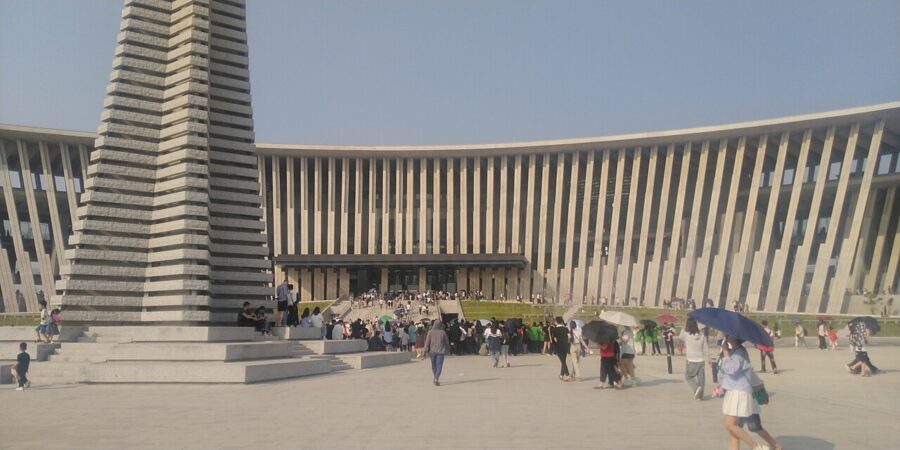

The hours catch people out: 8:00 to 11:30 and 13:00 to 16:30, closed on both Mondays and Fridays. It is 30 to 45 minutes by car from the Old Quarter, so go mid-morning and combine it with the Ethnology museum on the way back. The old site’s Flag Tower (Cột cờ Hà Nội), built in 1812 as part of the citadel, still stands on Điện Biên Phủ and is worth a look from the street.

Vietnam Fine Arts Museum
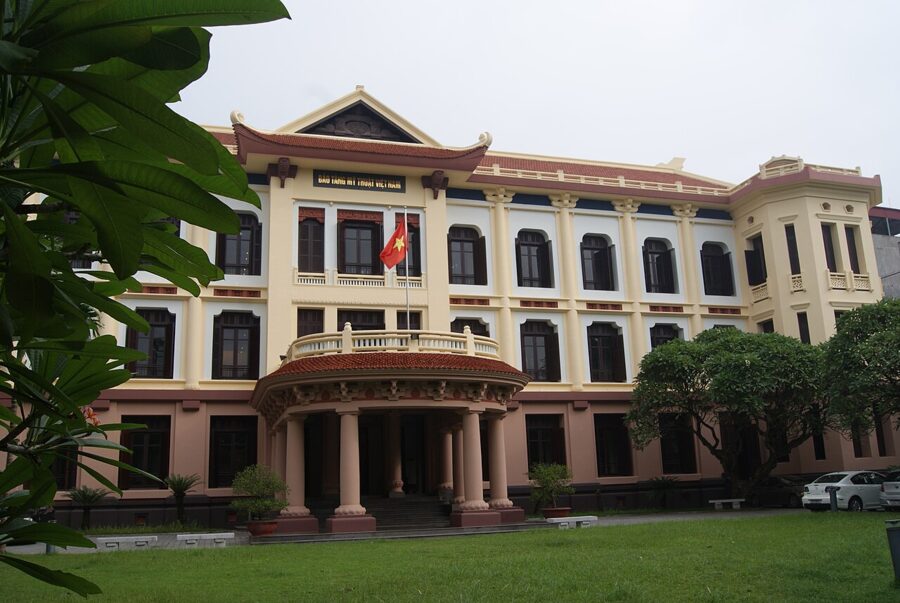
The national art museum at 66 Nguyễn Thái Học faces the back wall of the Temple of Literature, and it marked its sixtieth year in June 2026. Its strength is lacquer: twentieth-century painters who turned a craft for temple furniture into a modern medium, alongside silk painting, carved wooden Buddhas from village pagodas and Đông Hồ woodblock prints. Check the day’s hours at the ticket desk, and leave an hour if Vietnamese painting is new to you.

A cathedral and an opera house
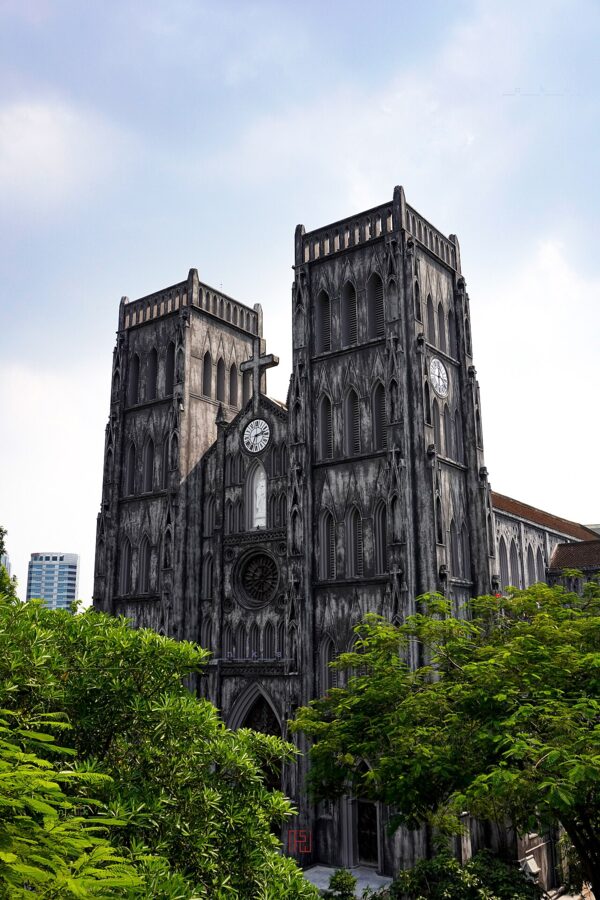
St Joseph’s Cathedral (Nhà thờ Lớn Hà Nội), west of the lake, was consecrated in 1886 on the site of the demolished Báo Thiên pagoda. The grey neo-Gothic towers look borrowed from northern France, and the square in front, Nhà Chung and Nhà Thờ streets, is lined with cafés where students sit on the kerb drinking lemon tea (trà chanh). To see the interior, go at Mass time, dressed for church, and sit at the back.

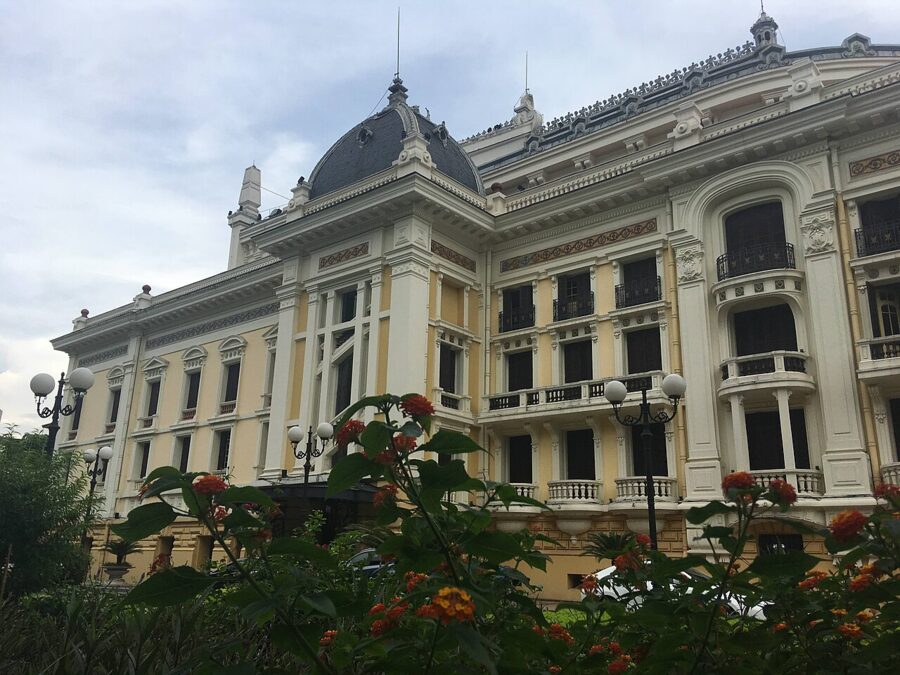
The Hanoi Opera House (Nhà hát Lớn) at the eastern end of Tràng Tiền street opened in 1911, modelled on the Palais Garnier in Paris. It marked its 115th year with a farewell exhibition that closed at the end of 2025, ahead of a restoration expected to take one and a half to two years. Admire the front from August Revolution Square, and check the theatre’s own programme before you plan on a show or a tour inside.

What to eat, and the streets to eat it on
Hanoi food is a breakfast-to-midnight timetable: each dish has its hour, and many of the best shops sell one thing until it runs out. The addresses below were all on the Michelin Guide’s 2026 Hanoi selection, which is no guarantee of anything except that they were open and serving this year. A bowl at a street shop costs 40,000 to 90,000 dong (about $1.50 to $3.50); the famous names charge at the top of that range.
Phở, before ten
Hanoi pho is a morning dish with a clear, lightly spiced broth. For beef pho (phở bò), the two shops side by side at 48 and 50 Hàng Vải make an easy comparison: Phở Bò Lâm at number 48 sells beef shank pho from about 6:00 until around 10:00, while Phở Khôi Hói at 50 serves tendon, brisket and rarer cuts from 6:00 to 22:00, at 40,000 to 90,000 dong a bowl as of June 2026. At Phở Gia Truyền, 49 Bát Đàn, you queue, pay, and carry your own bowl to a table.
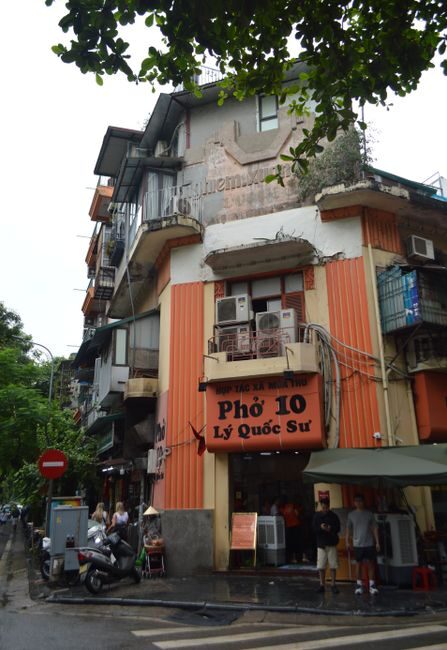
Chicken pho (phở gà) is lighter and very Hanoi. Phở Gà Nguyệt at 5B Phủ Doãn, behind the cathedral, has held a Bib Gourmand every year since 2023 and charges 55,000 to 90,000 dong a bowl, open from 6:30 until it sells out.
Bún chả, at lunch
Bún chả (grilled pork with rice noodles and a sweet-sour dipping broth) is lunch, and most shops are cold by mid-afternoon. Bún Chả Đắc Kim at 1 Hàng Mành, in the middle of the Old Quarter, piles the pork high and adds crab spring rolls. Tuyết Bún Chả 34, at 34 Hàng Than on the northern edge of the quarter, chargrills its pork and fills with office workers at noon.
Bánh cuốn and the other mornings
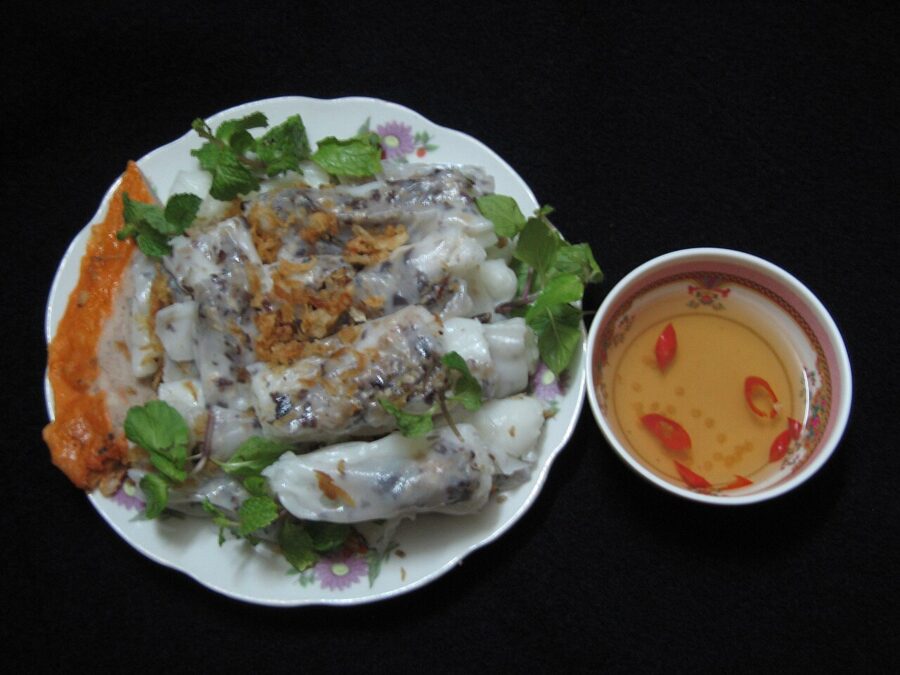
Bánh cuốn (steamed rice-flour sheets rolled around minced pork and wood-ear mushroom) is the other Hanoi breakfast. Bánh Cuốn Bà Hoành at 66 Tô Hiến Thành, south of the lake, and Bánh Cuốn Bà Xuân at 16 Hòe Nhai, near Long Bien, steam each sheet to order on a cloth stretched over boiling water. Watch the cook for a minute before you eat; it is the best free show in town.

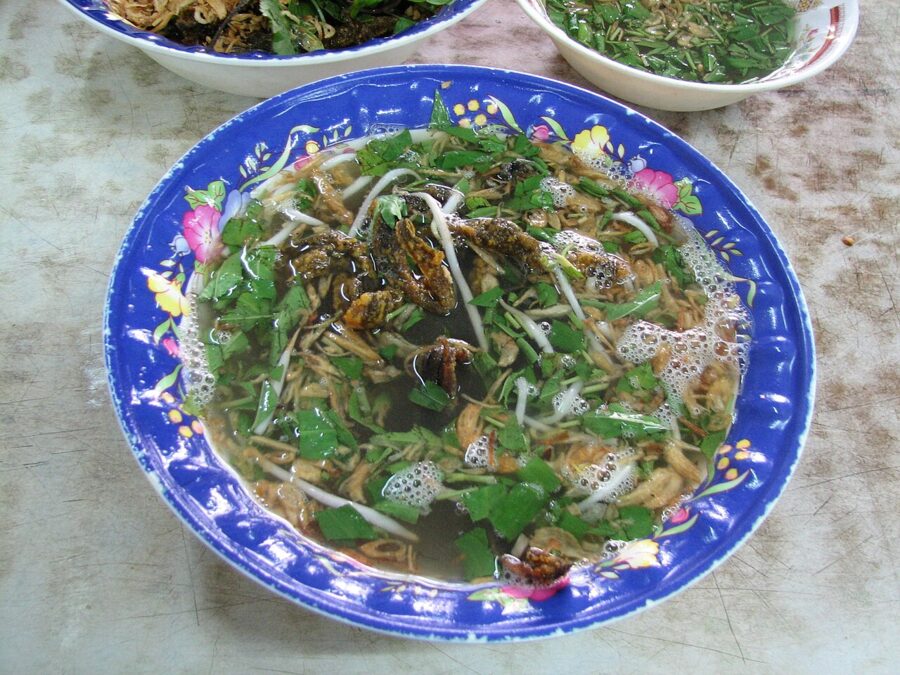
Miến lươn (glass noodles with crisp-fried eel, in soup or tossed dry) is the third morning dish worth tracking down; Miến Lươn Đông Thịnh was on the 2026 list, and Hàng Điếu street has sold the dish for decades.

Chả cá, for dinner
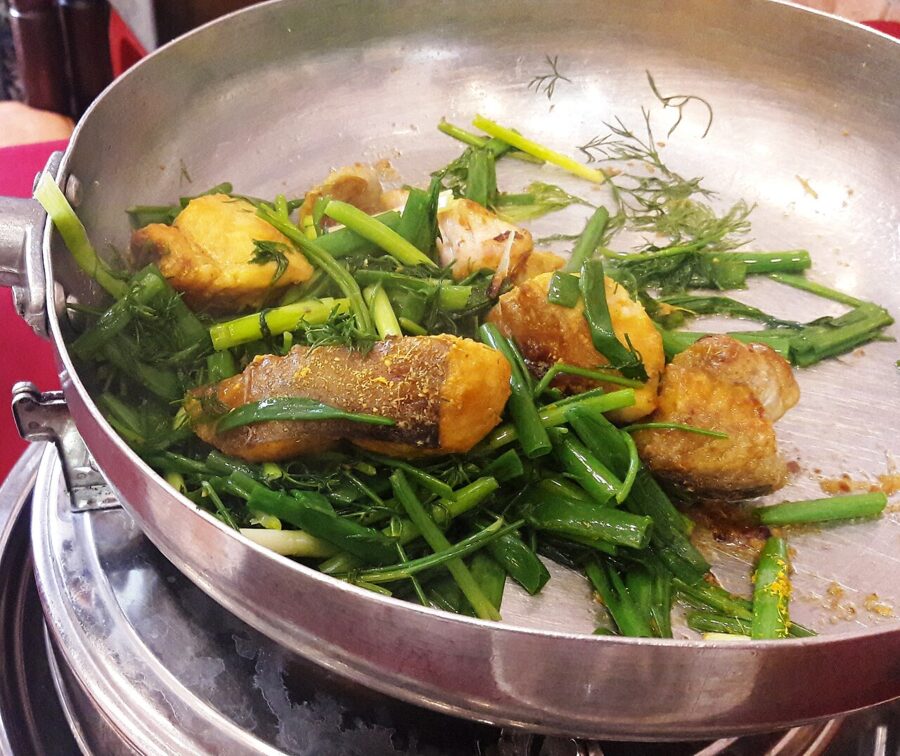
Chả cá is Hanoi’s one-dish restaurant meal: chunks of fish marinated in turmeric and galangal, fried at your table with a mountain of dill and spring onion, and eaten with rice noodles, peanuts and shrimp paste. The original family restaurant gave its name to Chả Cá street in the Old Quarter. Chả Cá Thăng Long at 6B Đường Thành was on the 2026 Michelin list and is the one I would book; it costs more than any other meal in this section, priced per portion.

Egg coffee and bia hơi
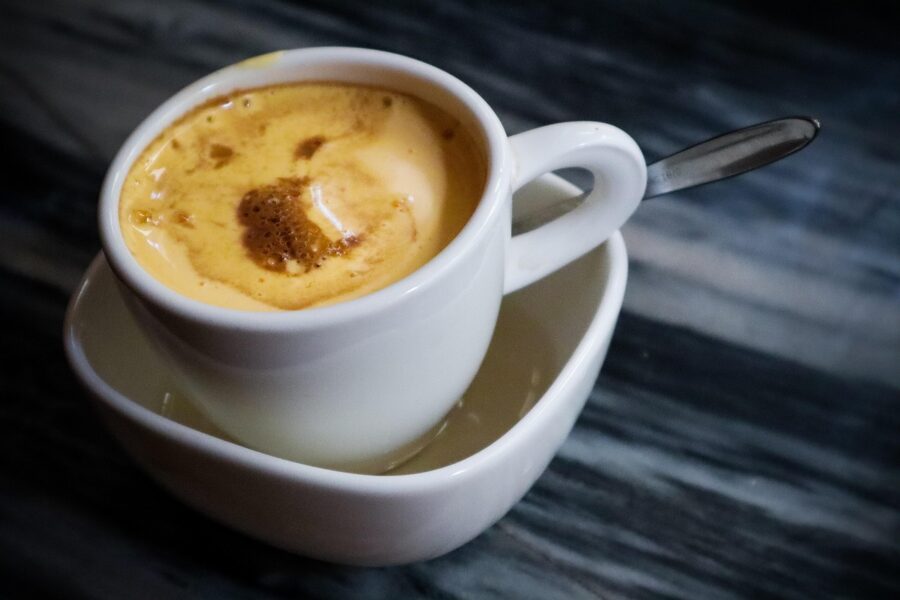
Cà phê trứng (egg coffee: strong coffee under a foam of egg yolk beaten with sugar and condensed milk) is credited to Nguyễn Văn Giảng, a bartender at the Metropole hotel, who used egg in place of scarce milk in the 1940s. Most Old Quarter cafés serve it now, usually upstairs with a view of the street. Bia hơi, the fresh draught beer brewed daily and drunk from small glasses on plastic stools, is the evening’s other ritual.
Evenings and weekends
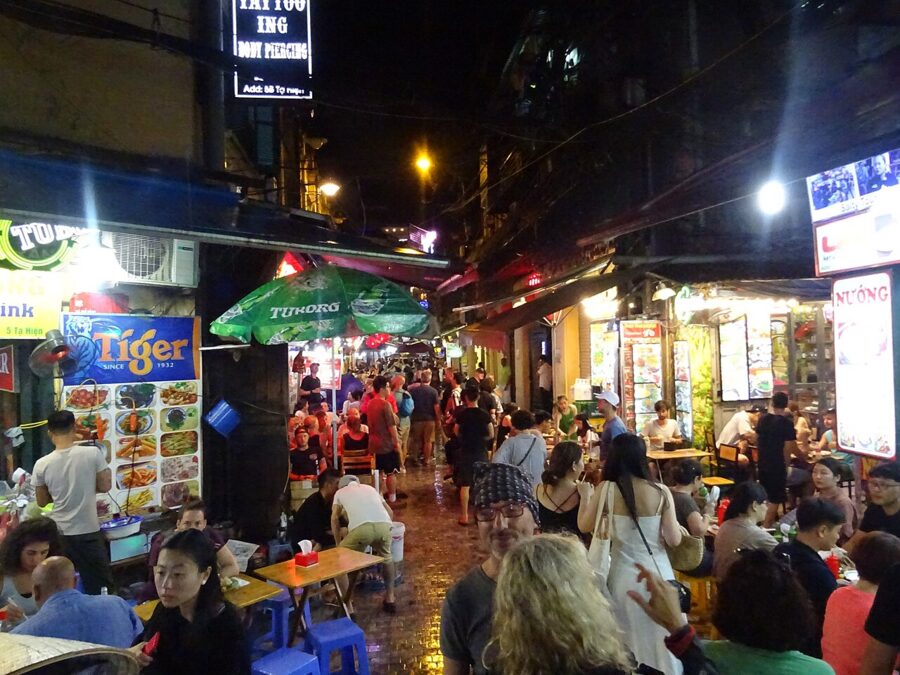
From Friday at 19:00 until midnight on Sunday, the roads around Hoan Kiem Lake and a web of Old Quarter streets become walking streets (phố đi bộ). Families play folk games on the tarmac, students busk, and the night market runs north from the lake up Hàng Đào towards Dong Xuan. Since 1 July 2026 the core of this area is also a low-emission zone, and on Friday, Saturday and Sunday evenings from 19:00 to midnight no motorbikes or cars may enter it at all.

The zone covers Tràng Tiền, Hàng Khay, Lê Thái Tổ, Hàng Đào, Hàng Ngang, Hàng Buồm, Mã Mây, Hàng Bạc, Hàng Mắm, Nguyễn Hữu Huân, Lý Thái Tổ and Ngô Quyền. If your hotel is on one of those streets and you arrive on a weekend evening, your taxi will stop at the edge and you will walk the last stretch with your bag. Book an arrival before seven, or plan for the walk.
Tạ Hiện, the beer street
Tạ Hiện and the junction with Lương Ngọc Quyến are the loudest corner of the Old Quarter, a solid block of plastic stools, bia hơi and grilled skewers. The pavement-and-road trading that defines it is permitted on the three weekend days, as part of the walking-street space. Go for one beer and the spectacle, check the price before you order, and keep your phone in a front pocket.

The calmer evening is the Thang Long water puppet show by the lake, then a walk to Long Bien Bridge, where the city lights reach across the river. The weekend walking streets sometimes pause for national events, as they did for the elections in March 2026; the closures are announced in the local press a few days ahead.
Where to stay: four neighbourhoods
The Old Quarter (Phố cổ) puts you in the middle of everything, with the cheapest rooms and the most noise: motorbikes from dawn, karaoke until late, and the weekend vehicle closures above. Ask for a room at the back or high up. It is the right base for a first visit of two or three nights.
The French Quarter, south and east of the lake, is quieter, greener and more expensive, with wide streets, the Opera House and the big hotels; the Sofitel Legend Metropole on Ngô Quyền, open since 1901, is the grand old one. Everything in the Old Quarter is a ten- to twenty-minute walk away.
Ba Đình and Trúc Bạch, around the mausoleum and the small lake, feel like a residential city: guesthouses above family homes, morning markets, few other foreigners. Tây Hồ, on the east shore of West Lake, has serviced apartments, cafés with Western menus and the calmest streets, but it is 15 to 25 minutes by car from the centre.
Getting in from Noi Bai Airport
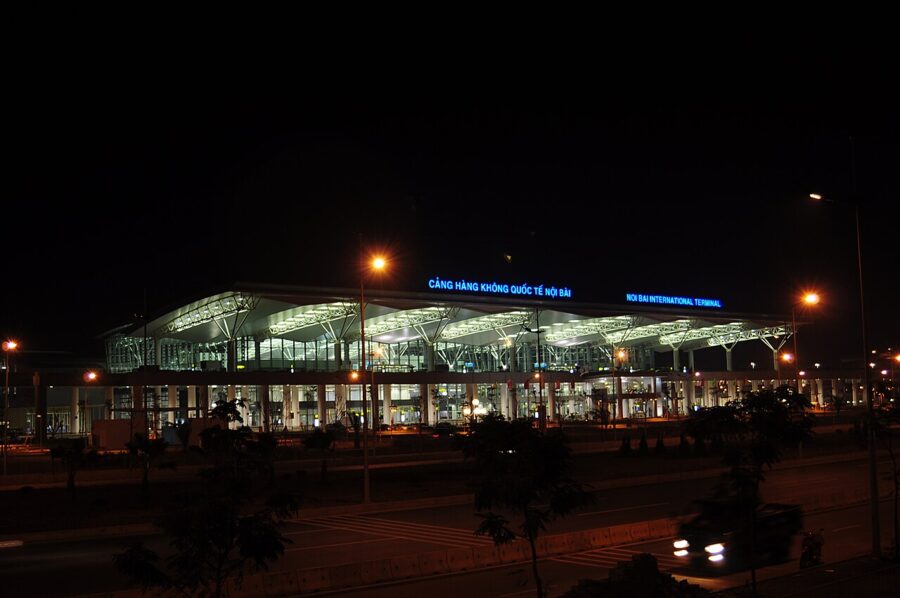
Noi Bai International Airport (Sân bay Nội Bài) lies about 30 km north of the centre, 45 minutes to an hour by road depending on traffic. International flights use Terminal 2 and domestic flights Terminal 1. If you still need a visa, the Vietnam e-visa is the one to get before you fly.

- Bus 86, the airport express, runs between the airport and Hanoi Railway Station on Lê Duẩn, with stops in the centre on the way; show the conductor your street. As of 2026 the fare is 45,000 dong (about $1.70), paid in cash on board. Ask at the arrivals information desk which door it leaves from, and allow about an hour.
- City buses 07 and 17 cost 9,000 dong (about 35 cents) but crawl through the suburbs to Kim Mã and to the Long Bien bus interchange; worth it only if you are travelling light and have time.
- Ride-hailing (Grab, Be or Xanh SM) shows a fixed price in the app before you book, and the pick-up points are signed outside arrivals. This is what I would use, especially after dark.
- Metered taxis queue at the official rank outside the terminal. Ignore anyone who approaches you inside the hall offering a car.
Getting around the city
The centre is walkable, and most of what you will want lies within a forty-minute walk of the lake. Crossing the road is a skill: walk at a steady pace, don’t run or stop suddenly, and let the motorbikes flow around you. Pavements are for parking and cooking, so expect to step into the road.
Grab, Be and Xanh SM cover everything beyond that, with cars and motorbike taxis at app prices; Xanh SM’s green electric cabs can also be flagged down. From 1 July 2026 until 30 June 2027, ordinary public buses are free for trips within Ring Road 1, the inner ring that takes in the Old Quarter, the lake and the museums near the citadel. Tourist and commercial buses are excluded.
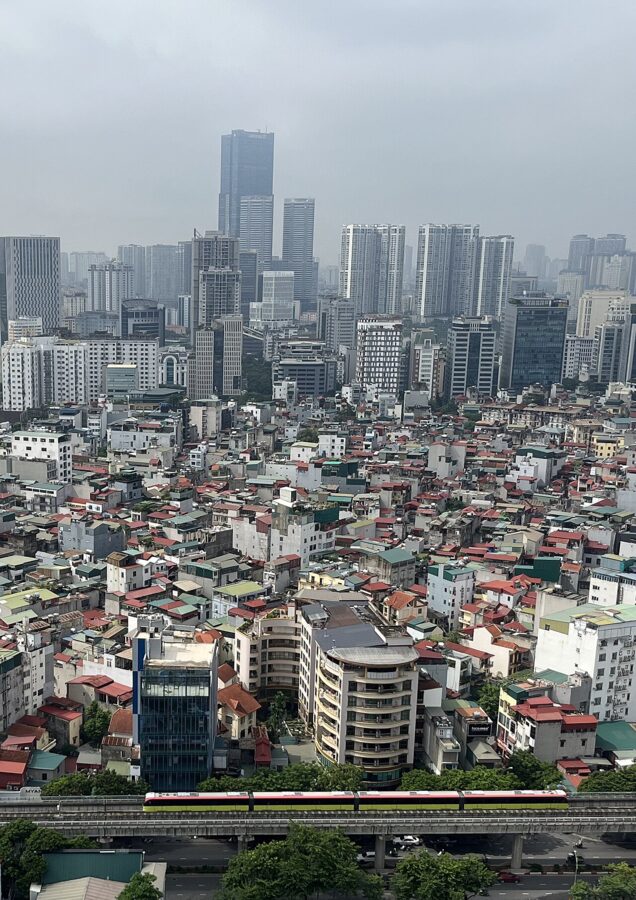

Hanoi has two metro lines so far, both running above the streets: Line 2A from Cát Linh south-west to Hà Đông, and Line 3 from Nhổn to Cầu Giấy. Neither reaches the Old Quarter yet. Line 2A is handy for Van Phuc silk village; for everything else a ride-hailing car is faster.
One more change to know about: since July 2025 Vietnam has had no districts, and Hanoi addresses now give a ward (phường) instead. New signs may read Hoàn Kiếm ward or Ba Đình ward where older maps and booking sites say Hoàn Kiếm or Ba Đình district. Both work when you type an address into a ride-hailing app.
Day trips from Hanoi
The two big ones each deserve a night. Ha Long Bay is 2.5 to 3.5 hours each way by expressway, so a day trip spends more time in the van than on the water; one night on a boat is the better use of the drive. Ninh Binh is closer, about two hours by road or a little over two by train, and its boat ride through the caves at Trang An works as a long day, though it is better with a night in the rice fields. Sapa, in the mountains near the Chinese border, needs at least two nights.
Bát Tràng: the pottery village
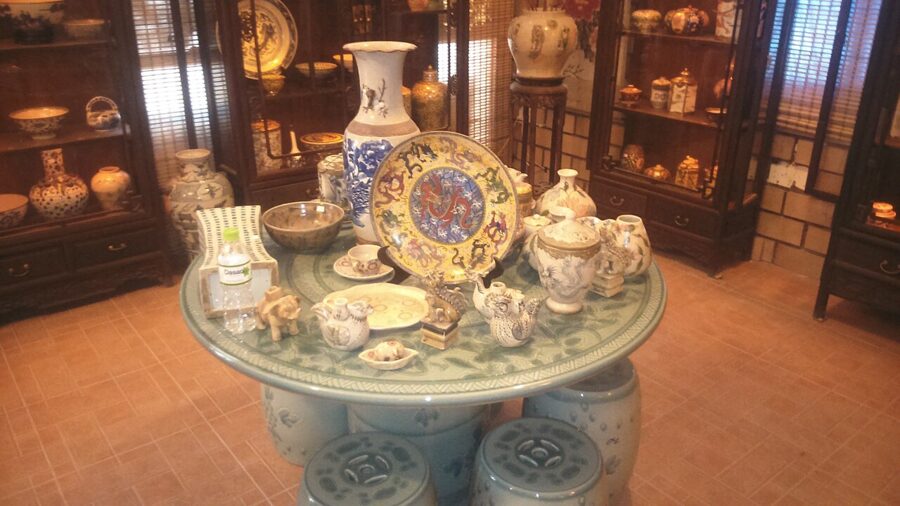
Bát Tràng sits on the left bank of the Red River, south-east of the centre, and has made ceramics for about 700 years. You can wander the workshops and kilns, buy anything from rice bowls to garden urns at the pottery market, and sit at a wheel for a lesson. City bus 47A runs to the village from the Long Bien interchange.

Vạn Phúc: the silk village
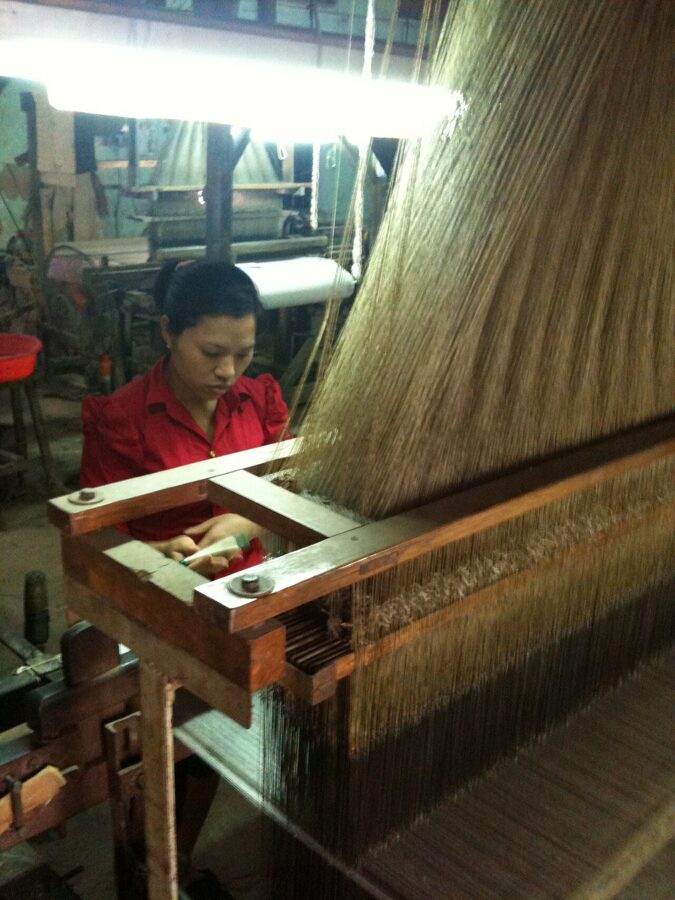
Van Phuc, in Hà Đông south-west of the centre, has woven silk for centuries and still has working looms in back rooms behind the shopfronts on its main lane. Prices are better than in Hàng Gai, but check the label and the feel: not everything sold as silk is woven here, or is silk.

Đường Lâm: the laterite village
Duong Lam, about 50 km west in Sơn Tây, became the first village in Vietnam listed as a national historic site, in May 2006. Its houses and walls are built from blocks of đá ong, the red laterite dug from the local fields; the village counts 956 traditional houses, a few with beams dated to the seventeenth century. Mía pagoda holds 287 statues, and the village is tied by tradition to two national heroes, Phùng Hưng and Ngô Quyền.
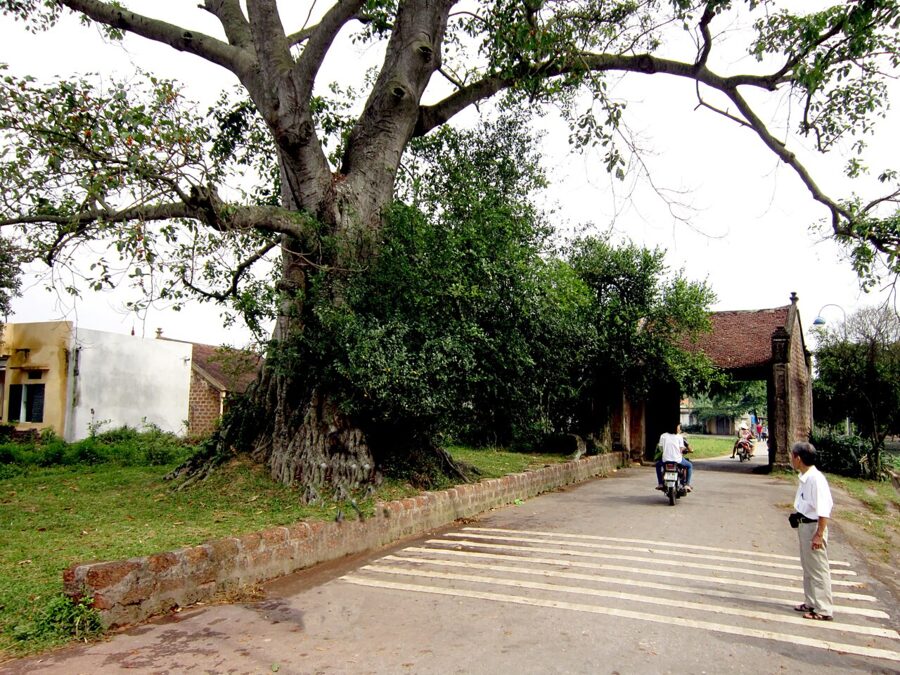

People live in these houses, so it is quiet rather than staged. Allow a full day, and eat chè lam (ginger and sticky-rice sweets) from the village shops.
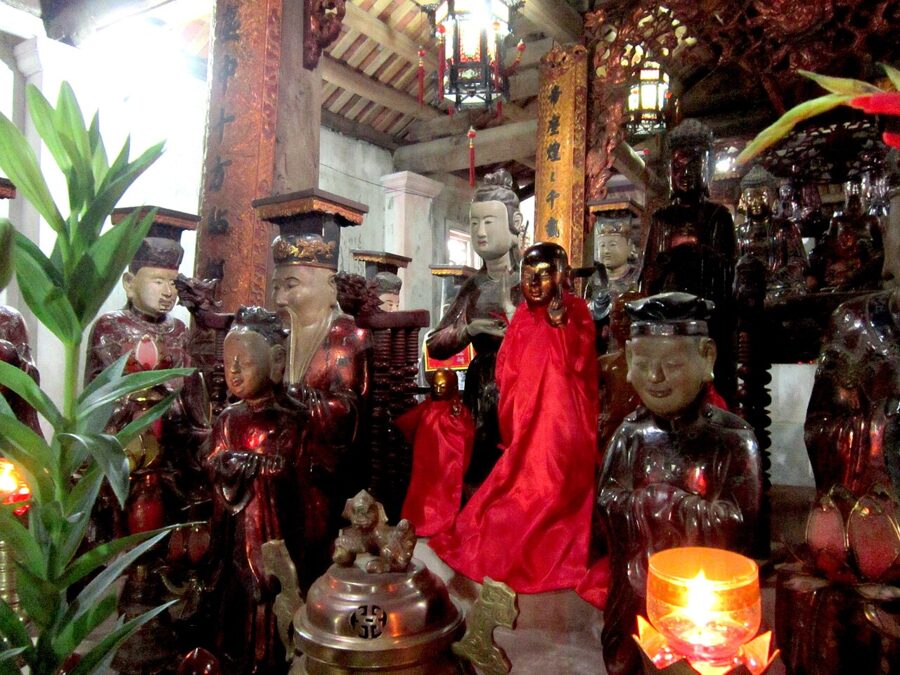

The Perfume Pagoda (Chùa Hương)
The Perfume Pagoda is a cluster of temples in the limestone hills of Hương Sơn, south-west of Hanoi. The pilgrimage starts at Bến Đục, where rowing boats carry you up the Yến stream between paddy fields and karst to Bến Trò. From there a path and a cable car climb to Hương Tích cave, the inner pagoda, where an inscription carved in 1770 calls it the finest cave under the southern sky.


Timing decides the trip. The festival opens on the sixth day of the lunar new year and runs to the end of the third lunar month, and from Tết through the second month the stream is a traffic jam of boats. Outside the festival you get the river almost to yourself.

Quảng Phú Cầu: the incense village
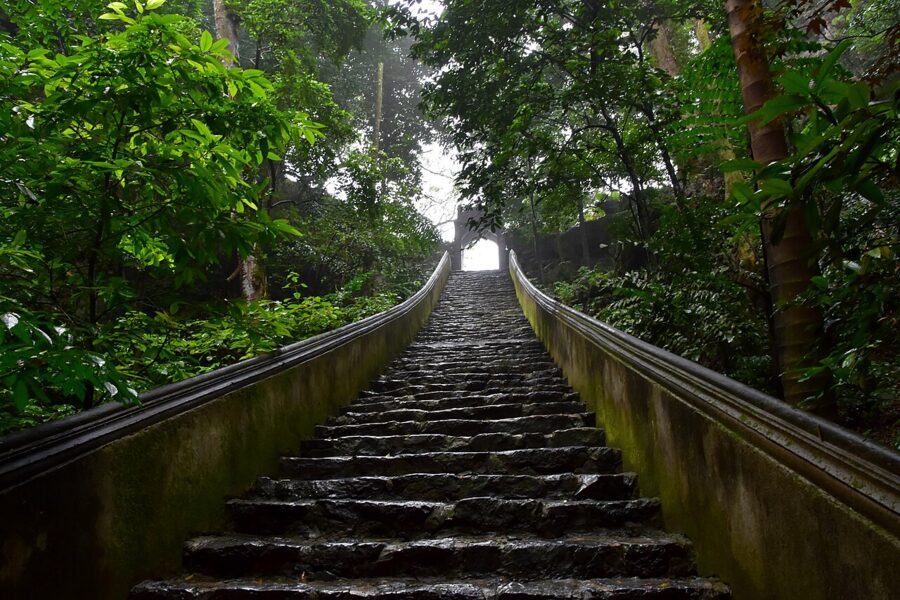
Quang Phu Cau, south of the city, makes incense, and its yards are spread with fans of red-dyed sticks drying in the sun. It has become a photo stop, especially in the weeks before Tết, which the families who work there tolerate with varying patience. Buy a bundle, ask before photographing anyone, and keep out of the drying yards.

Mistakes to avoid, and what I would skip
Mondays and Fridays. The mausoleum shuts on both, the Military History Museum on both, and the Ethnology museum on Mondays. Put the Old Quarter, the lake, the food and the villages on those days.
Tết. For about a week around the Lunar New Year, many family restaurants close, opening hours change and the city empties. Tết 2027 falls on 6 February.
The air in winter. From November to March, Hanoi’s air is often bad enough that you will feel it on a long walk, especially on still, grey days. Check an air-quality app in the morning, and save those days for museums; spring and autumn are the easier months, as the guide to the best time to visit Vietnam explains region by region.
Cyclos and touts. Agree on one price for the whole cyclo ride before you sit down, and pay at the end. The same goes for anyone selling fruit for a photo with their shoulder pole.
And the places I would skip: the train-time crush on Train Street, the bars on Tạ Hiện after ten on a Saturday, and any day trip that tries to fit Ha Long Bay and back between breakfast and dinner. None is dangerous; they just spend the hours Hanoi does best, the slow ones.
On your last evening, walk out onto Long Bien Bridge and wait for a train. It comes slowly enough to watch, rattling the whole deck, and then the river goes quiet again.