
A Vietnam e-visa costs $25, takes three working days and comes from a single government portal, evisa.gov.vn. Vietnam issued more than four million of them in 2025, and private agencies still sell the same PDF for double the fee.
Before any of that, check whether you need one at all. Citizens of 24 countries, most of western and central Europe plus Japan and South Korea, can walk in for 45 days with nothing but a passport. Everyone else applies online, and the whole job takes about twenty minutes if your photos are right. The rules below stand as of November 2026.

Contents
Do you need a visa at all?
Vietnam has three ways in for a holiday: a visa exemption, the e-visa, or a visa from an embassy. For a trip of a few weeks, the first two cover almost everyone, but exemption lengths run from 14 to 90 days and a few changed this year.
The 45-day list
Two government resolutions give 45 days without a visa, counted from the day you enter. The first, Resolution 44/NQ-CP, covers twelve countries for any purpose and any passport type from 15 March 2025 to 14 March 2028. The second, Resolution 229/NQ-CP, added twelve more from 15 August 2025 to 14 August 2028, but only for tourism, under the government’s tourism stimulus programme.
| Countries | Stay | Condition | Valid until |
|---|---|---|---|
| Denmark, Finland, France, Germany, Italy, Japan, Norway, Russia, South Korea, Spain, Sweden, United Kingdom | 45 days | Any purpose, any passport type | 14 March 2028 |
| Belgium, Bulgaria, Croatia, Czech Republic, Hungary, Luxembourg, Netherlands, Poland, Romania, Slovakia, Slovenia, Switzerland | 45 days | Tourism | 14 August 2028 |
The British entry covers British citizens. Holders of British National (Overseas) passports are not on the list, according to the Ministry of Foreign Affairs, and need a visa. Your passport must still meet the normal entry conditions, which for the unilateral exemptions means at least six months of validity left.
The stamp is the rule. The officer writes the date you must leave by, and the UK Foreign Office warns that it cannot be changed once you have left the airport or the land border. If your trip runs to day 46, apply for an e-visa instead and use its full 90 days.
ASEAN neighbours and the bilateral deals
Most of Vietnam’s neighbours have reciprocal agreements, and their lengths are shorter and less tidy. The figures below are for ordinary passports, from the Ministry of Foreign Affairs list, with this year’s change for Indonesia added.
| Passport | Visa-free stay |
|---|---|
| Cambodia, Laos, Malaysia, Singapore, Thailand | 30 days |
| Philippines | 21 days |
| Indonesia | 14 days, tourism and family visits (since 15 July 2026) |
| Brunei | 14 days |
| Kazakhstan, Kyrgyzstan, Mongolia, Belarus | 30 days (Belarus: no more than 90 days a calendar year; Kazakhstan: no more than 90 days in any 180) |
| Chile, Panama | 90 days |
Myanmar also has a bilateral exemption, but the published lengths disagree, so check it with the nearest Vietnamese embassy before you rely on it. And none of these agreements lets you work: they cover tourism, family visits and, in some cases, short business trips.
Phu Quoc’s own rule
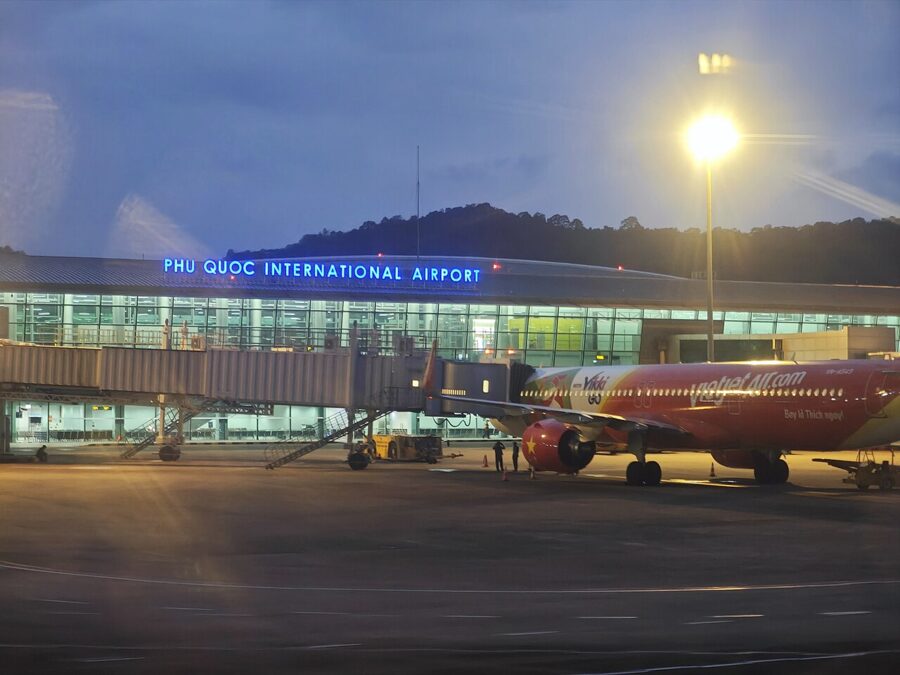
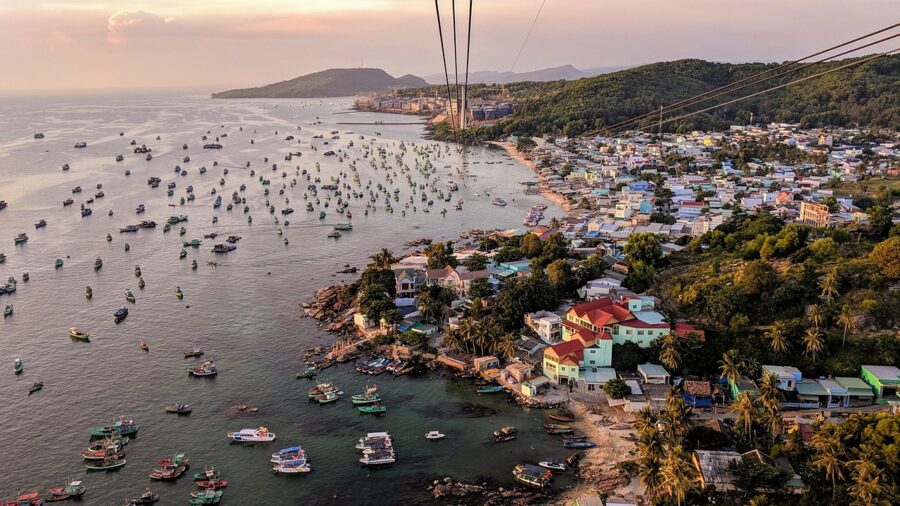
Phu Quoc island sits outside the national system. Any foreigner who enters Phu Quoc from abroad can stay 30 days without a visa, whatever the passport, and the exemption also covers people who change planes at another Vietnamese international airport on the way. The catch is that it covers the island only.
If you want even a night in Ho Chi Minh City or the Mekong Delta, you need a visa or a national exemption like everyone else. A direct flight to Phu Quoc for a beach fortnight is the one trip where a US, Canadian, Australian or Indian passport holder can skip the e-visa.

What changed in the last twelve months
- December 2025: Resolution 389/NQ-CP added 41 border gates to the e-visa list, taking it to 83: 17 airports, 27 land crossings and 39 seaports.
- April to June 2026: the Immigration Department introduced a free online pre-arrival declaration, first at Tan Son Nhat on 15 April, then at Noi Bai, Da Nang, Cam Ranh and Phu Quoc.
- 15 July 2026: the Indonesian exemption dropped from 30 days to 14.
Exemption lists change by government resolution, so check the Ministry of Foreign Affairs list close to your trip.
The e-visa in plain numbers
Since 15 August 2023, every nationality can apply, and the maximum stay went from 30 days to 90. You must be outside Vietnam when you apply, hold an ordinary passport, and not fall into the groups the law sends through diplomatic channels: official delegations, embassy staff and the people visiting them.
| Single entry | Multiple entry | |
|---|---|---|
| Government fee | $25 | $50 |
| Longest validity | 90 days | 90 days |
| Refund if refused | No | No |
| Processing | Up to 3 working days | Up to 3 working days |
The fee is flat. A ten-day e-visa costs the same $25 as a 90-day one, so set the dates to cover your whole trip with a few days’ margin at each end. The 90 days run from the start date you choose, not from the day you arrive.
Pick multiple entry if there is any chance you will leave and come back inside the window: a side trip to Angkor, a Bangkok stopover, a hop to Laos. It costs $25 more, which is cheaper than a second application.
The portal’s own validation sets the passport rule: your passport must stay valid for at least 30 days beyond the end of the visa. Airlines and the UK Foreign Office ask for six months from arrival and two blank pages, and a damaged passport has got British travellers refused at the border. Renew first if yours is close or scuffed.
The e-visa is not a work visa. Business meetings and conferences are fine; a paid job needs a work permit and a different visa category, arranged by the employer.
Applying on evisa.gov.vn, step by step
There are two official addresses: evisa.gov.vn and thithucdientu.gov.vn, which the Immigration Department opened in November 2024 when the old system was handling more than 15,000 applications a day. Both run the same system. Anything else, however official it looks, is a private company.
What to have ready
- A portrait photo: recent, 4×6 cm proportions, JPG or JPEG, under 2 MB, looking straight at the camera, no hat, no glasses, white background.
- A clear photo of your passport’s data page, with the two lines of machine-readable code at the bottom visible and no glare.
- Your entry date, how long you are staying, and your entry and exit gates from the government list.
- The address of your first night’s accommodation in Vietnam.
- The dates of any trips to Vietnam in the past year.
- A card for online payment and a phone that can receive the bank’s one-time code.
The photo causes more trouble than anything else. The portal runs face recognition on upload and warns you if the face is too small, turned, or a photo of a photo, and if the portrait and passport faces match poorly. A phone picture against a white wall in daylight works; a cropped selfie does not.
The form itself
Upload the portrait and the passport page first. The system reads your passport and fills in the personal details, and if the passport image fails, it will not let you submit at all. Check every auto-filled field against the passport before you go on.
Write your name exactly as it appears in the machine-readable lines at the bottom of the passport page, all names, in capitals. Then fill every field marked with an asterisk, in English, and tick every multiple-choice answer that applies.
Be truthful about past visits and any earlier immigration problems. The instructions say an application will be refused if the department finds dishonest information, so declare an old overstay rather than hope it is forgotten. For the address, give your first hotel only.
Paying, and the code you must keep
You pay on the portal’s own payment gateway by card, confirm the terms and enter the one-time code your bank sends. The fee is not refunded if the visa is refused. Once payment goes through, the screen shows your application number: write it down or screenshot it, because the lookup needs it with your email and date of birth.
Children on a parent’s passport
A child under 14 who travels on a parent’s passport goes on the same application, with their own portrait. A child with their own passport needs their own e-visa and their own $25 or $50.
Processing time, and what to do when it goes wrong
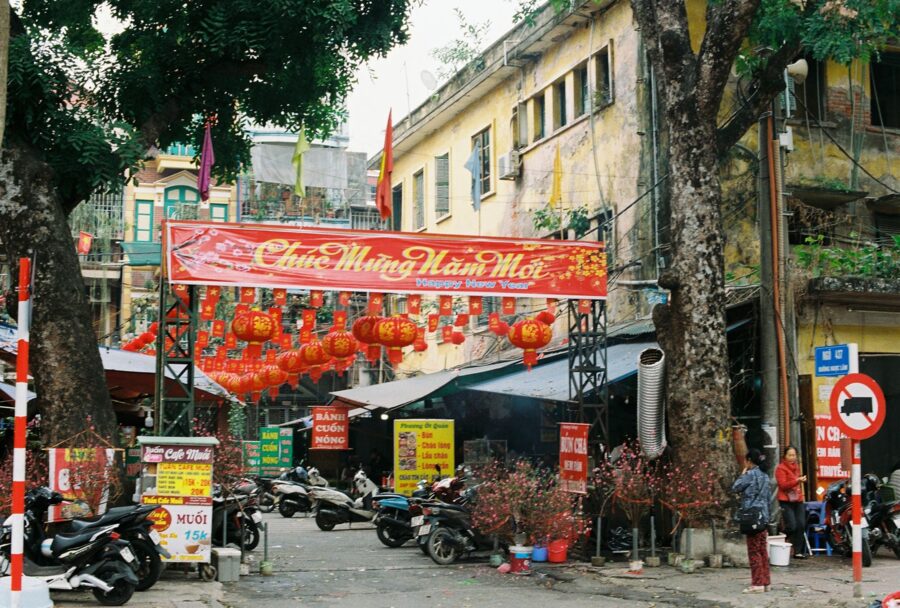
The Ministry of Public Security sets the processing time at no more than three working days from the day it has a complete application and the fee. Working days are Vietnamese ones: weekends do not count, and nor do public holidays. Tết, the Lunar New Year, falls on 6 February in 2027 and shuts government offices for several days around it; 30 April, 1 May and 2 September are holidays too.
I would apply three weeks before departure. That covers processing, one round of corrections, and a holiday you did not know about. The Immigration Department has blamed most slow applications on wrong or missing information, not on the queue.

Reading the status
Use “Check application status” on the portal with the application number, email and date of birth. It shows one of five states: Unpaid, Processing, Amendment required, Acceptance or Denial. When it says Acceptance, download the e-visa from the same page; it shows the dates you may enter between.
“Amendment required” is the one people miss. It means the department wants something fixed, usually the photo or a mismatch with the passport, and the clock waits for you. The lookup page lets you edit the application and send it back; do it the same day.
Refused, or approved with a mistake
A refusal costs you the fee, and the department does not always explain it. Fix the likely cause (photo, name, passport validity, an undeclared past problem) and apply again from scratch, paying again. If you have already been refused for something you cannot fix online, apply for a visa through a Vietnamese embassy instead.
If the visa is approved with a wrong detail, such as a misspelt name, a wrong passport number or the wrong dates, do not fly on it and hope. Send a request through the “Contact Support” form on the portal, and if your departure is close, the reliable fix is a new, correct application.
If you fly in a few days
The government portal has no paid fast lane. Agencies sell “urgent” e-visas at several times the fee, but none of them can promise a date. Apply now, check the status twice a day, and keep your flight changeable.
Choosing your border gates
An e-visa works only at the international border gates on the government list, now 83 of them. When you apply you pick an entry gate and an exit gate, and the UK Foreign Office says plainly that e-visas restrict you to the points you select. Treat both as binding. If your arrival airport changes after approval, ask the Immigration Department through the portal before you fly, or apply again.
Airports
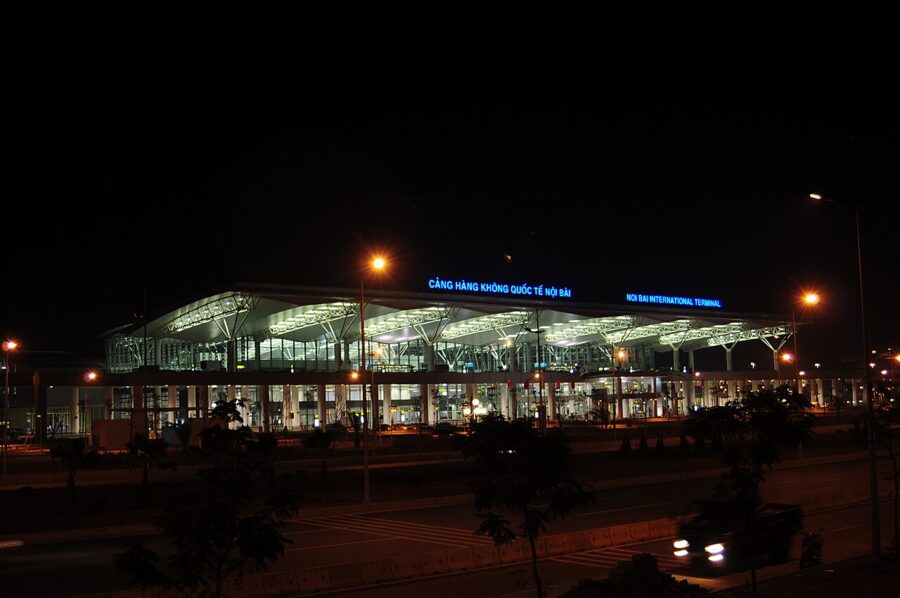
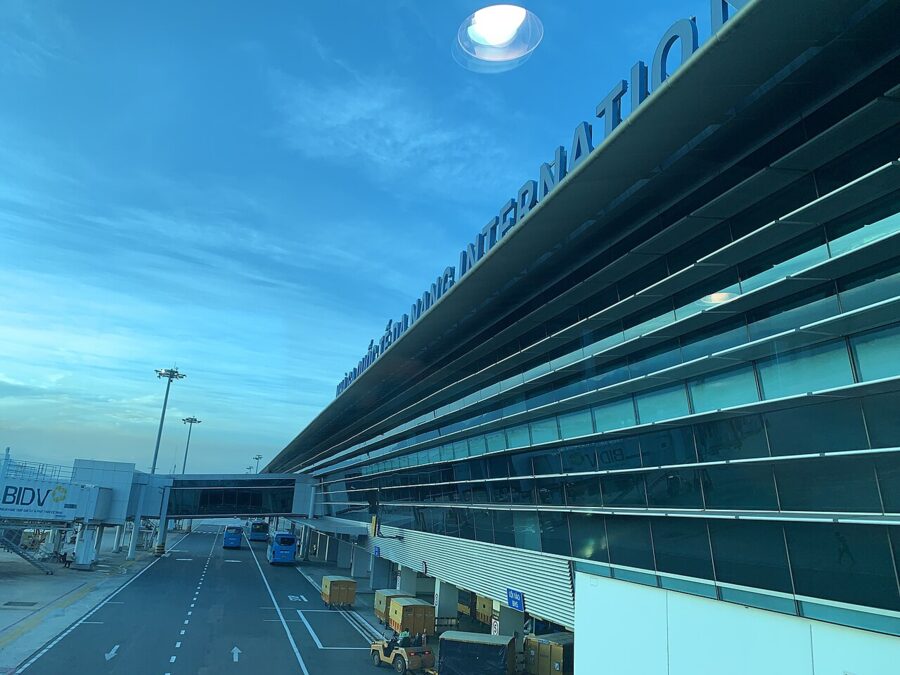
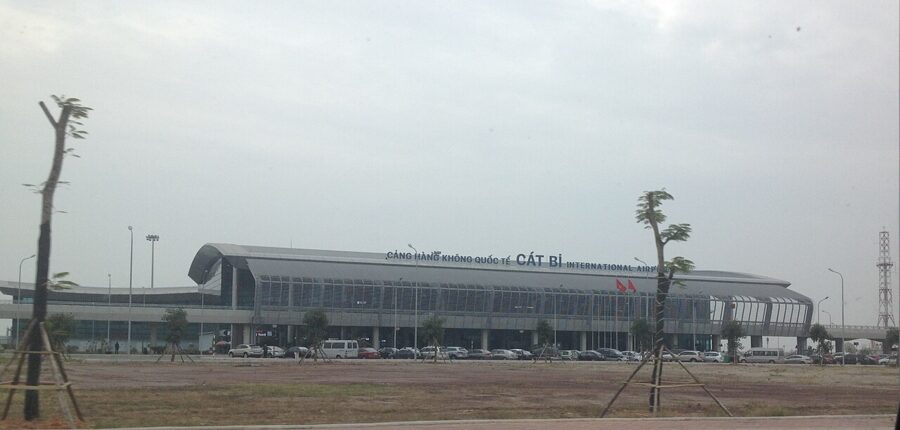
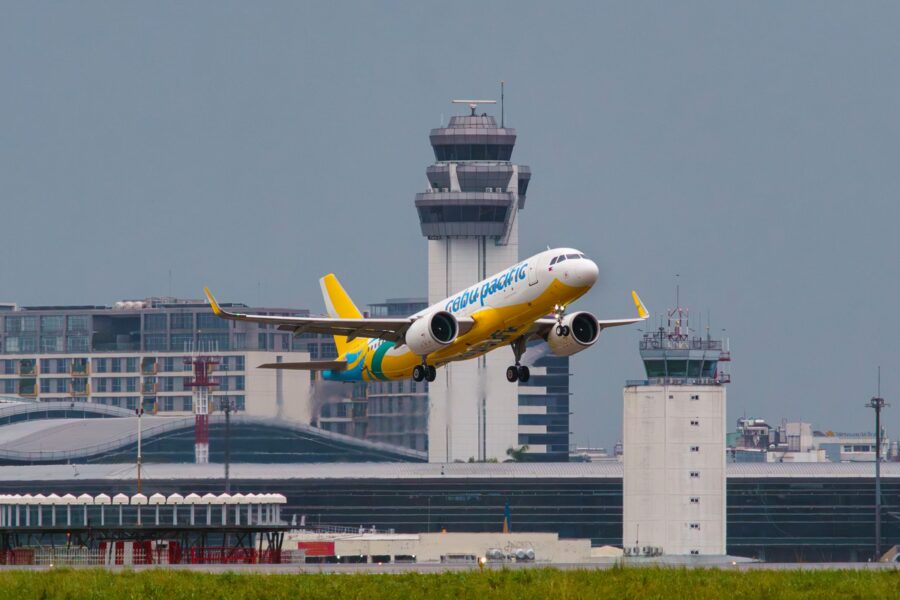
The list covers 17 airports. The ones most trips use are Noi Bai for Hanoi, Tan Son Nhat for Ho Chi Minh City, Da Nang, Cam Ranh for Nha Trang, Phu Quoc, and Phu Bai for Hue. The others are Cat Bi (Hai Phong), Van Don (for Ha Long Bay), Can Tho, Lien Khuong (Da Lat), Tho Xuan, Dong Hoi, Phu Cat, Vinh and Chu Lai, plus two new airports, Long Thanh and Gia Binh.

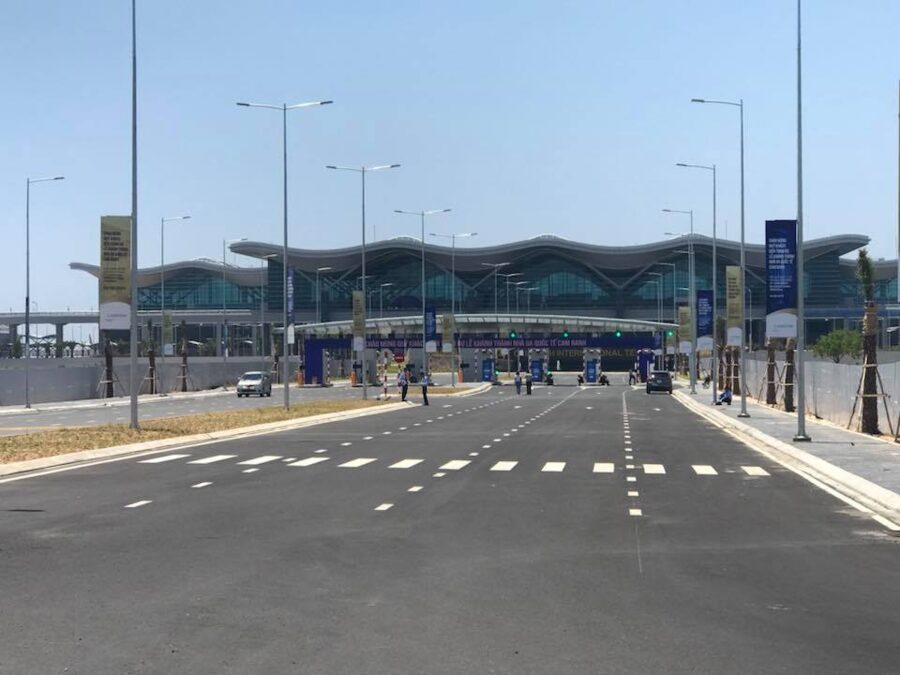


Long Thanh, the new airport for Ho Chi Minh City in Dong Nai, has been on the e-visa list since December 2025. The Airports Corporation of Vietnam expects commercial flights from 24 December 2026, with some international routes moving from Tan Son Nhat over 2027. Pick the airport printed on your ticket, and check Long Thanh appears on the form before you rely on it.


Land borders
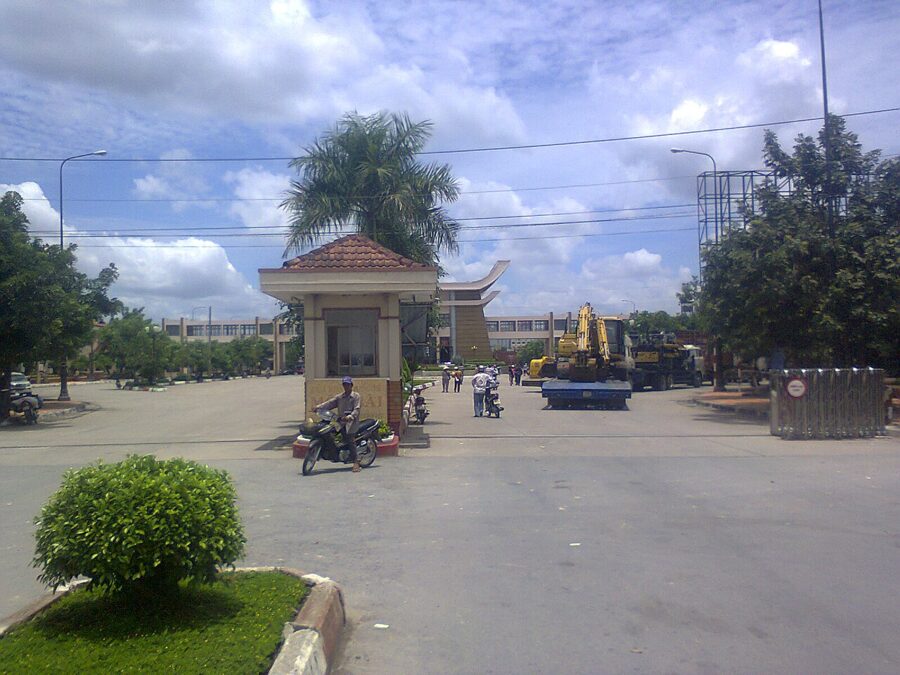
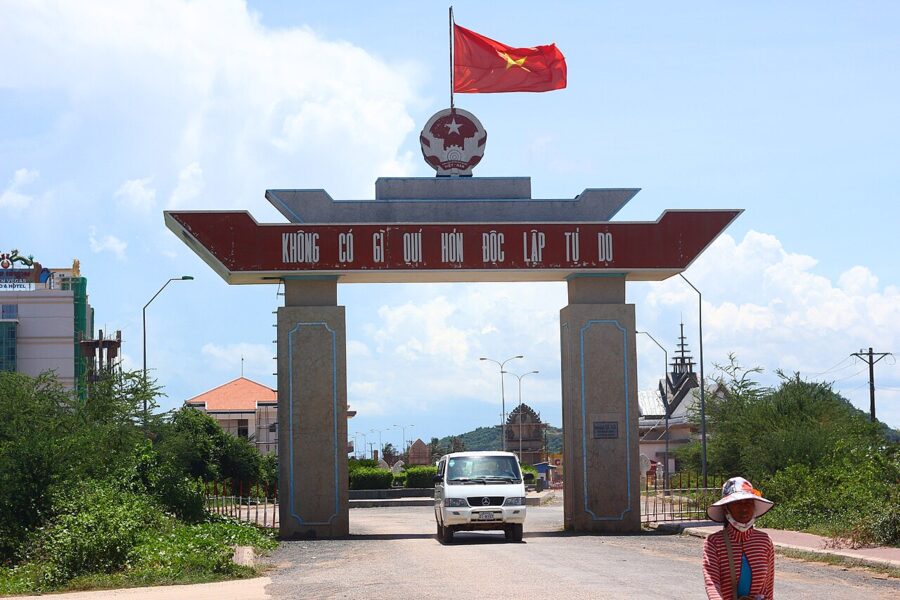
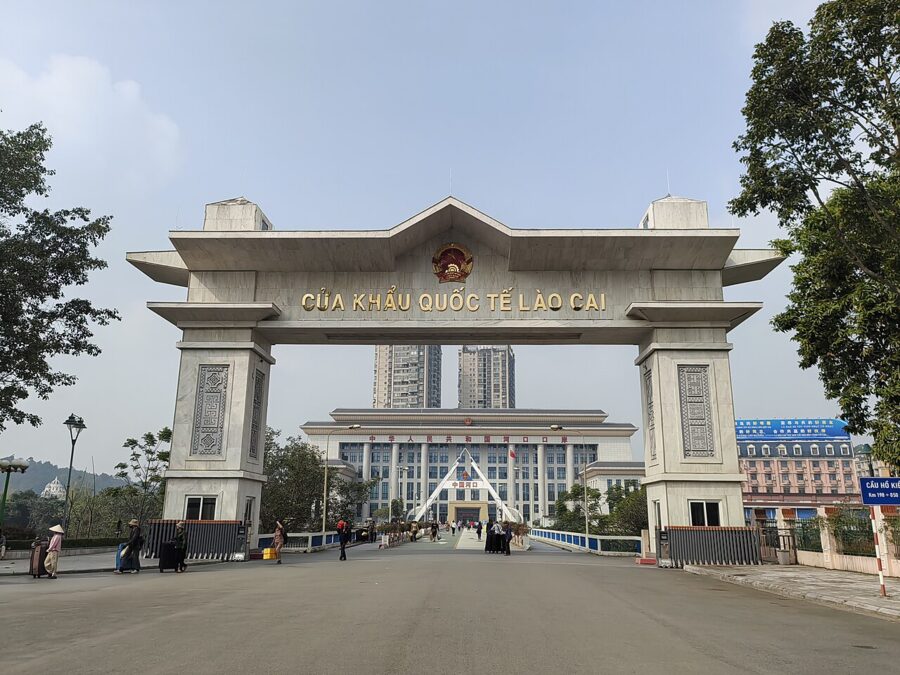
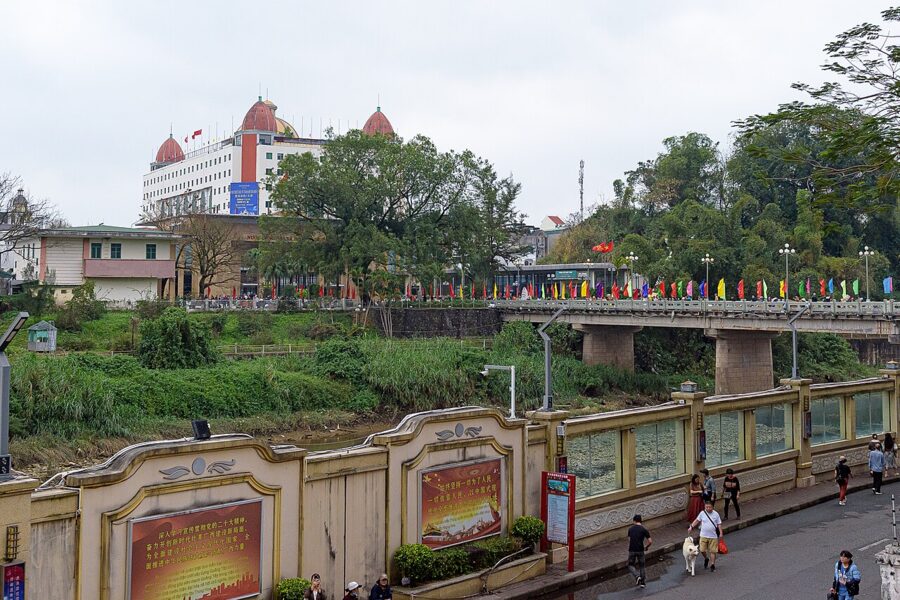
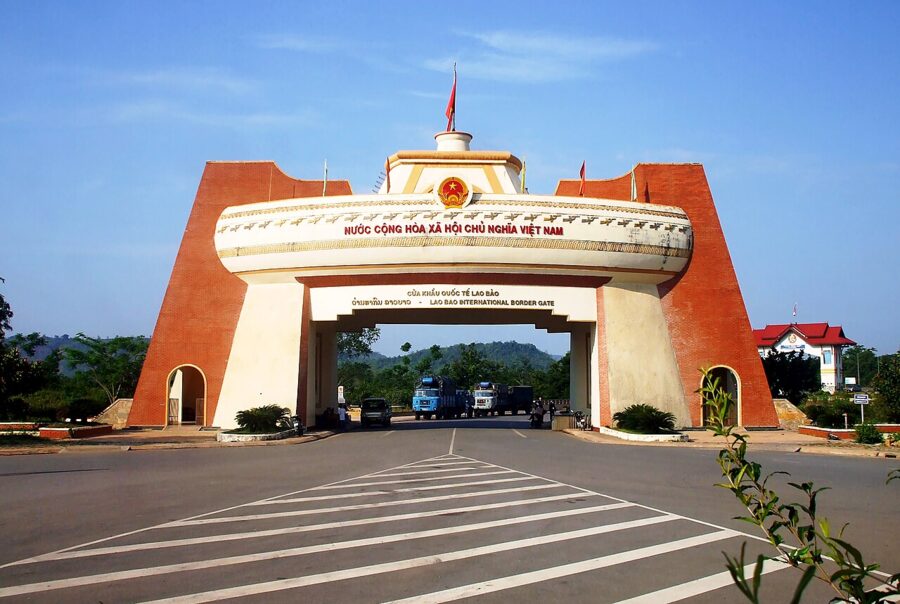
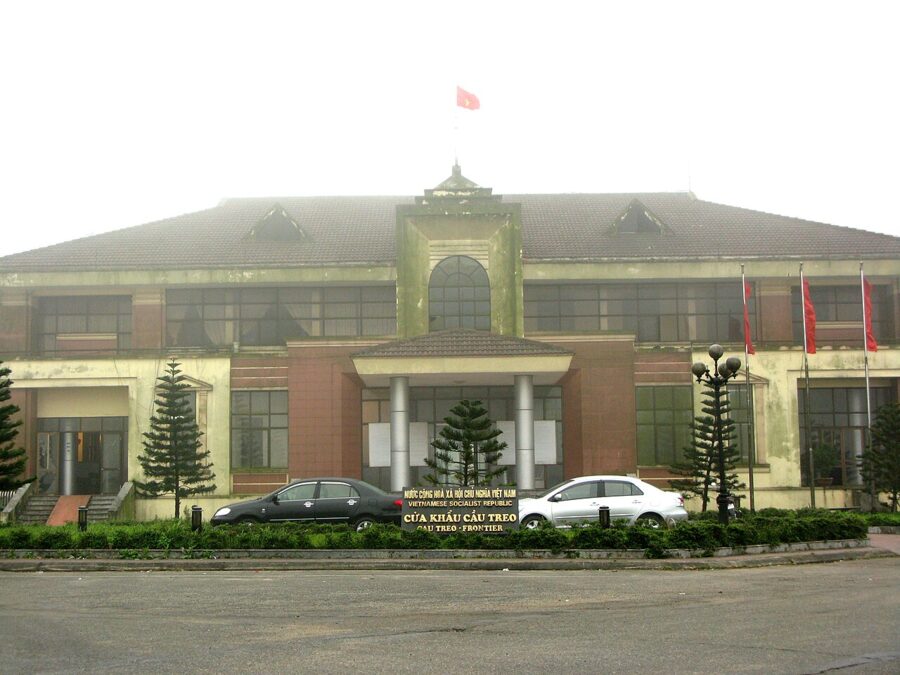
There are 27 land gates on the list. The long-standing ones include Moc Bai, Xa Mat, Tinh Bien, Ha Tien and Vinh Xuong on the Cambodian border; Lao Bao, Cau Treo, Nam Can, Na Meo, Cha Lo, Bo Y, Tay Trang and La Lay on the Lao border; and Huu Nghi, Lao Cai and Mong Cai on the Chinese border. Vinh Xuong is the river crossing used by the Mekong boats between Chau Doc and Phnom Penh.
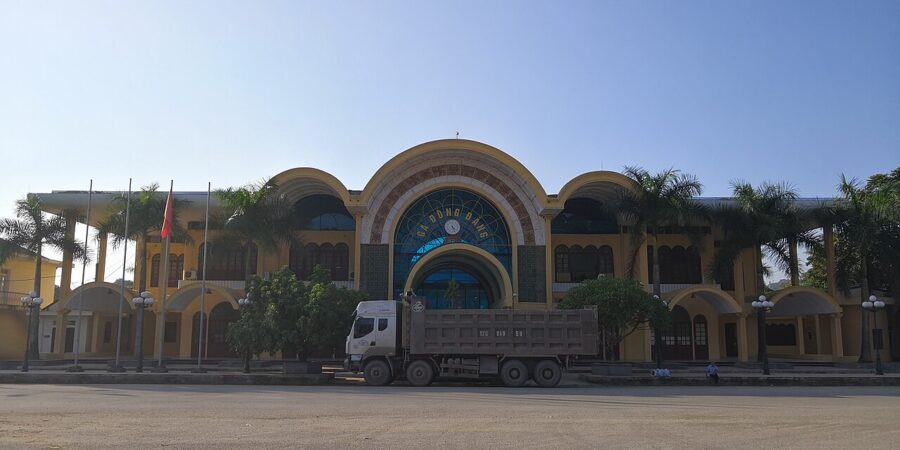
The eleven gates added in December 2025 include smaller crossings, so if you are going through somewhere less known, find the gate in the list on the portal before you choose it. The same goes for the Nanning to Hanoi train: passengers clear Vietnamese immigration at Dong Dang station, so confirm it appears on the list before you put it on the form.





Seaports
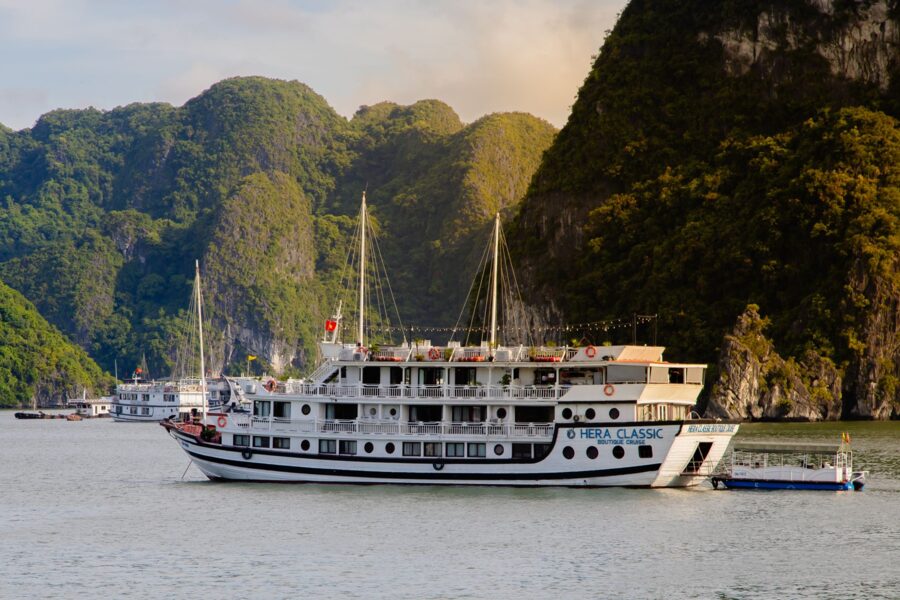
Cruise passengers enter through one of 39 seaports. The list includes Chan May (for Hue and Da Nang), Da Nang, Hon Gai and Cam Pha (Ha Long), Hai Phong, Nha Trang, Ho Chi Minh City, Vung Tau and Duong Dong on Phu Quoc. If you are on a cruise, ask the line how it handles visas before you apply yourself.
Landing with an e-visa
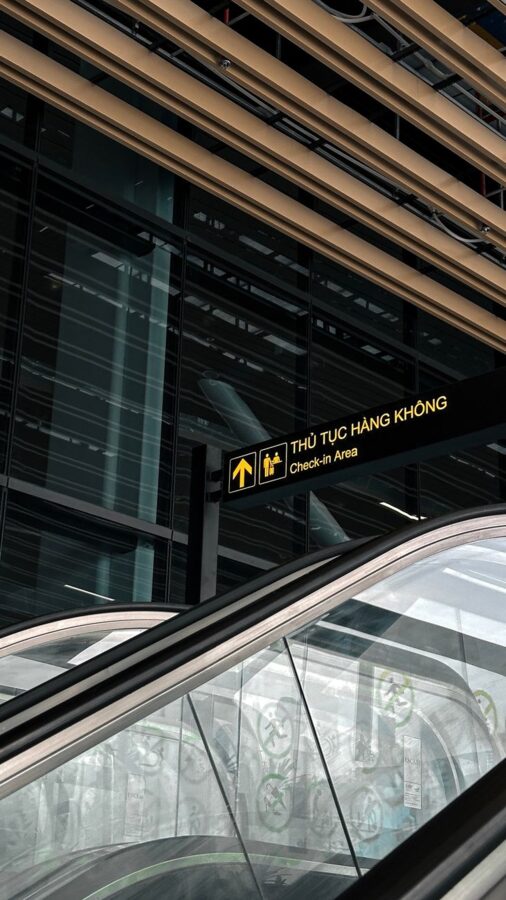
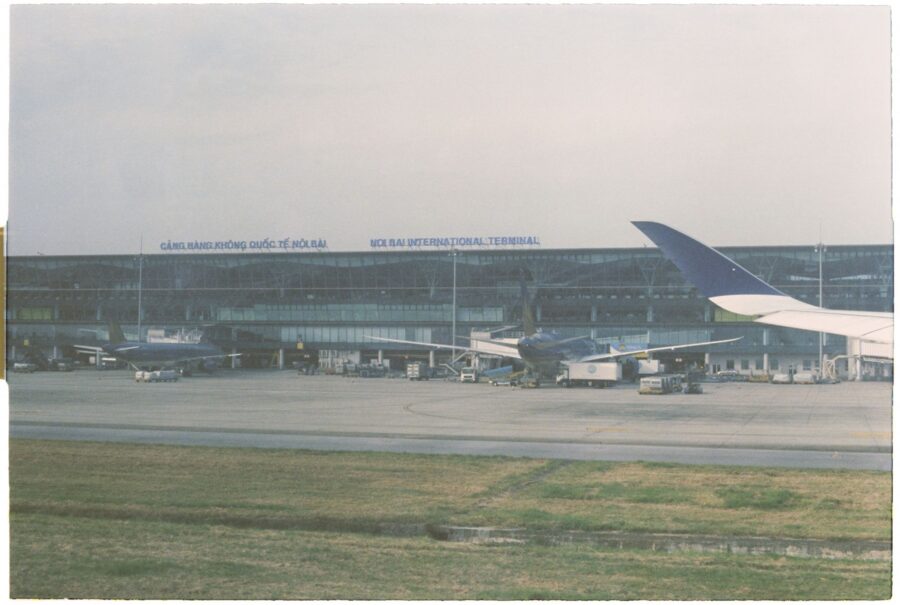
At Noi Bai, Tan Son Nhat, Da Nang, Cam Ranh and Phu Quoc, the Immigration Department asks foreign arrivals to fill in a pre-arrival declaration at prearrival.immigration.gov.vn. It is free and can be done in the three days before your flight, or on arrival. You get a QR code to show at immigration, and doing it in advance keeps you out of the slower queue.
It is not a visa. Ignore any site that charges for it.
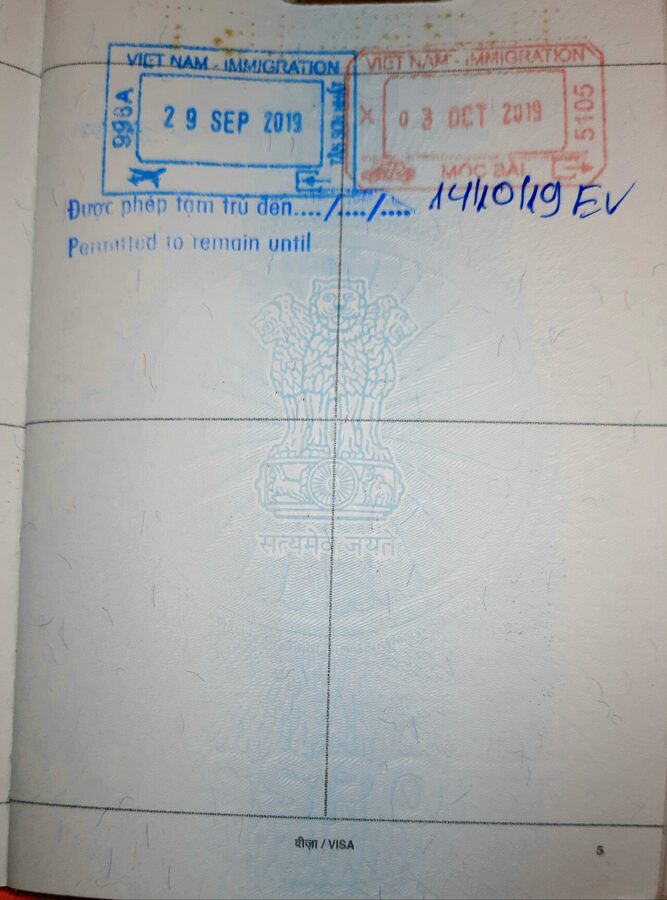
At the desk, hand over your passport with the e-visa printout, or show the PDF on your phone. The officer stamps you in and writes the visa type and the date you must leave. Check that stamp before you walk away.
One trap catches people from the 45-day countries who also hold an e-visa for a longer trip. If you do not show the e-visa, the officer may stamp you in under the exemption and give you the shorter stay. Put the printout on top of the passport.
Once you are in, your hotel registers you with the local police at check-in, which is why it asks for your passport. In a private home the host has to declare your stay at the ward or commune police station.
Fake portals and agency mark-ups
Most websites offering Vietnam e-visas are private agencies. Some are open about it and say in small print that they are not the government; others copy the look of the official portal, register look-alike addresses and pay for ads. In August 2026 the Ministry of Public Security’s cybercrime department warned about sites built to look official, promising “instant”, “urgent” or “guaranteed” visas and harvesting passport details and card numbers.
The legitimate agencies file the same application on the same portal and charge for the typing. Prices of $50 to $60 for a single-entry visa the government sells for $25 are normal, and urgent service runs far higher. If you want someone to check your photo and spelling, that may be worth paying for; if you can fill in a form, it is not.
- The only two e-visa addresses are evisa.gov.vn and thithucdientu.gov.vn.
- The government fee is $25 or $50. A different price means an agency.
If you have paid a fake site with a card, call your bank, and if your passport details went with it, report it to the police where you live.
The old address, evisa.xuatnhapcanh.gov.vn, still turns up in searches. It belongs to the Immigration Department, but apply on evisa.gov.vn, which is the current portal.
Staying longer, or changing your status
You cannot extend an e-visa yourself. The portal’s guidance is that an e-visa holder already in Vietnam can be considered for a new visa only if an agency, organisation or individual in Vietnam invites or guarantees them, and that sponsor files the request with the Immigration Department. Agencies that sell “extensions” are arranging that sponsorship and charging for it, and the British Embassy has said it will not assist with extensions.
The simple route is the border run. Leave for Cambodia, Laos or a cheap flight to Bangkok or Kuala Lumpur, and come back through a listed gate. A new e-visa can only be applied for from outside Vietnam, so submit it the day you cross and allow three working days on the other side.

A multiple-entry e-visa does not reset when you come back. Its window runs from the start date you chose to the end date, 90 days at most, however many times you cross. It is the right tool for a ten-day Vietnam itinerary with a few days in Cambodia in the middle, not for living in Vietnam on repeated stamps.
Work, study or family residence each need their own visa type, arranged by the employer, school or family member as sponsor, outside the e-visa portal.
Overstaying is the expensive mistake. You will be fined, the police can stop you leaving until you pay, and the Foreign Office warns that it can lead to deportation and a ban on future visits. If a cancelled flight or a hospital stay threatens your date, contact the provincial immigration office before it passes.
For most people, though, the whole business is one form and $25. Fill it in three weeks out, keep the application number, and choose the gate from the ticket in your hand. Then read the stamp at Noi Bai before you walk away from the desk.